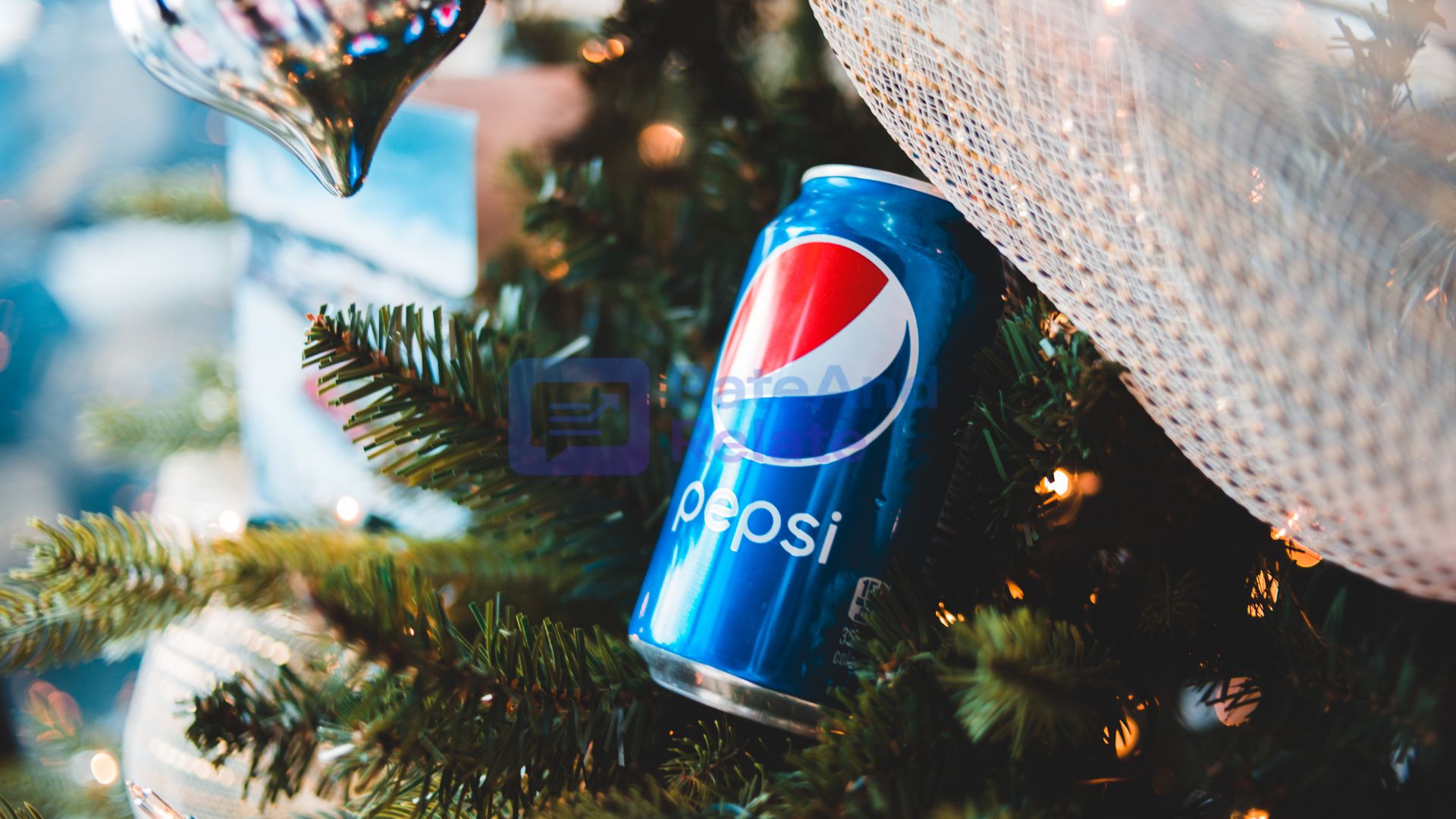
Pepsi’s journey is one of reinvention, resilience, and relentless competition. What began as a modest medicinal drink in a small American pharmacy evolved into one of the world’s most recognizable beverage brands. The story of Pepsi is not just about cola—it is about branding, youth culture, and the art of staying relevant in a fiercely competitive market.
Humble Beginnings
Pepsi was created in 1893 by Caleb Bradham, a pharmacist from North Carolina. Originally called Brad’s Drink, it was formulated to aid digestion and boost energy. In 1898, it was renamed Pepsi-Cola, derived from the digestive enzyme pepsin and kola nuts. Bradham envisioned Pepsi as both refreshing and health-oriented—a common positioning in early soft drink history.
Early Struggles and Bankruptcy
Despite early popularity, Pepsi’s first decades were unstable. Poor financial decisions and sugar price volatility led the company into bankruptcy—not once, but twice (in 1923 and 1931). For many brands, this would have been the end. For Pepsi, it became a turning point.
The Great Depression Breakthrough
Pepsi found its breakthrough during the Great Depression by doing something bold: offering more cola for the same price. While Coca-Cola sold 6-ounce bottles for five cents, Pepsi sold 12 ounces for the same price. This value-driven strategy resonated strongly with price-sensitive consumers and helped Pepsi regain momentum.
The Birth of the Pepsi–Coke Rivalry
By the mid-20th century, Pepsi positioned itself as the challenger brand to Coca-Cola. Instead of copying Coke, Pepsi leaned into youthfulness, modernity, and change. Campaigns like “The Pepsi Generation” in the 1960s redefined cola marketing, linking Pepsi with young, forward-thinking consumers rather than tradition.
Pop Culture and Celebrity Power
Pepsi became a master of celebrity endorsements long before influencer marketing existed. From Michael Jackson and Madonna to Beyoncé and Lionel Messi, Pepsi embedded itself deeply into global pop culture. These campaigns weren’t just advertisements—they were cultural moments that strengthened emotional connection with younger audiences.
Diversification Beyond Cola
Unlike many beverage brands, Pepsi didn’t rely solely on cola. Through its parent company PepsiCo, it expanded aggressively into snacks and foods, acquiring brands like Lay’s, Doritos, Kurkure, Tropicana, and Gatorade. This diversification made PepsiCo one of the most resilient consumer goods companies in the world.
Branding Wins and Missteps
Pepsi’s boldness has sometimes backfired. The controversial Kendall Jenner ad in 2017 was criticized for trivializing social justice movements, reminding the brand that cultural sensitivity matters as much as creativity. Yet, Pepsi’s willingness to experiment has also kept it fresh and adaptable.
Pepsi Today
Today, Pepsi represents more than a drink—it symbolizes energy, youth, and global culture. The brand continues to invest in sustainability, product innovation, and digital marketing while competing head-to-head with Coca-Cola across markets.
Conclusion
Pepsi’s story is proof that brands don’t need to be first to be great. Through smart positioning, cultural alignment, and constant reinvention, Pepsi turned setbacks into strength. From a pharmacy drink to a global icon, Pepsi’s success lies in its ability to evolve with generations—while never losing its challenger spirit.