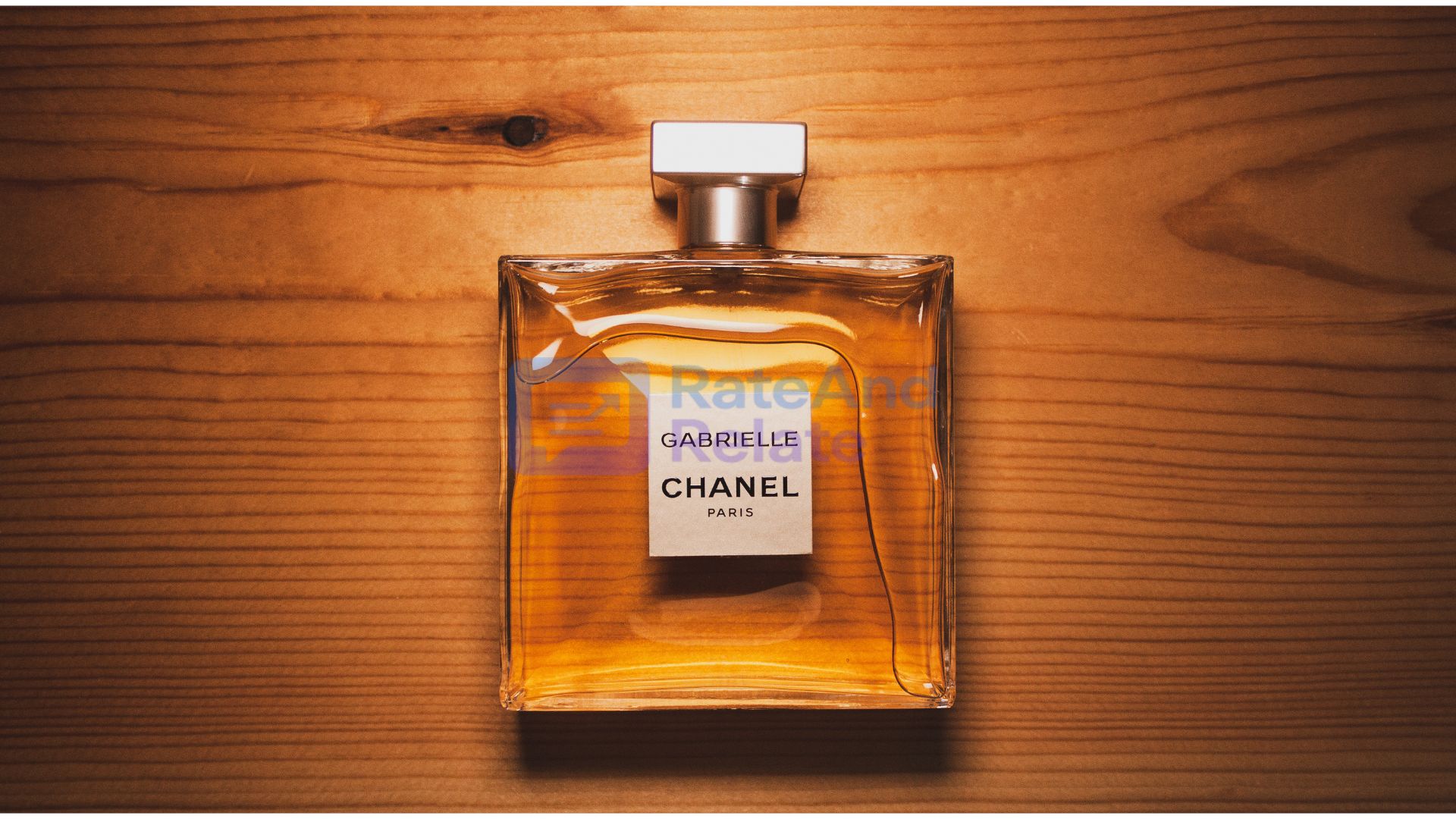
In an era where luxury brands rush to sell online, Chanel has deliberately chosen to stay offline for its core fashion and handbags. While competitors embrace e-commerce for scale and convenience, Chanel’s strategy stands out — and that is exactly the point. The French luxury house believes that true luxury is not about accessibility, but about desire, control, and experience.
The Unusual Decision in a Digital World
Today, even ultra-luxury brands sell online. From Louis Vuitton to Gucci, digital storefronts have become mainstream. Chanel, however, restricts e-commerce largely to beauty products, eyewear, and fragrances, while its most coveted items — handbags, haute couture, and ready-to-wear — remain available only through physical boutiques.
This is not a technological limitation. It is a strategic choice.
Why Chanel Rejects Full E-Commerce
1. Luxury Is About Experience, Not Speed
Chanel views luxury as a sensory and emotional experience — touch, craftsmanship, personal styling, and store ambience. A website checkout cannot replicate the moment of entering a Chanel boutique, interacting with trained advisors, and feeling the product firsthand.
By keeping purchases offline, Chanel ensures that every transaction is wrapped in ceremony.
2. Scarcity Creates Desire
E‑commerce maximizes availability. Chanel does the opposite.
Limited stock, waiting lists, and controlled distribution create perceived scarcity, which increases desirability. When access is restricted, products feel more valuable — a core principle of luxury psychology.
Chanel’s iconic handbags are not just accessories; they are symbols of status, partly because they are not instantly obtainable.
3. Total Control Over Brand Image
Online marketplaces dilute brand control — through discounts, resellers, inconsistent presentation, and price comparisons. Chanel avoids this risk by:
- Selling only through owned boutiques
- Training in‑store staff to deliver a consistent brand narrative
- Avoiding algorithm‑driven price or promotion pressure
This allows Chanel to protect its brand equity at all costs.
4. Price Integrity Over Volume
E‑commerce often leads to sales pressure and discount expectations. Chanel’s strategy prioritizes price integrity rather than volume growth.
The brand regularly increases prices, reinforcing its positioning as an appreciating luxury asset rather than a consumable fashion item. Staying offline makes these increases feel intentional, not opportunistic.
What Chanel Gains by Staying Offline
- Stronger brand mystique
- Higher margins due to controlled distribution
- Deeper customer relationships built through personal interactions
- Reduced exposure to counterfeits and grey markets
Chanel sacrifices reach, but gains long‑term brand power.
The Risks of the Strategy
Chanel’s approach is not without challenges:
- Younger, digital‑native consumers expect online access
- Competitors may capture impulse luxury buyers
- Global crises (like pandemics) expose offline dependence
However, Chanel believes that not every customer needs to be served — only the right ones.
A Philosophy, Not a Tactic
Chanel’s no‑ecommerce rule reflects a deeper belief: luxury should never chase the customer; the customer should seek luxury. Convenience may drive short‑term sales, but exclusivity builds legacy.
By resisting digital pressure, Chanel sends a powerful signal — that in luxury, saying “no” can be the strongest branding move of all.
The Bigger Lesson for Brands
Chanel proves that growth does not always mean expansion. Sometimes, restraint is the strategy. In a world optimized for speed and scale, Chanel’s refusal to fully embrace e‑commerce reinforces a timeless truth:
The most powerful brands are not the easiest to buy — they are the hardest to replace.