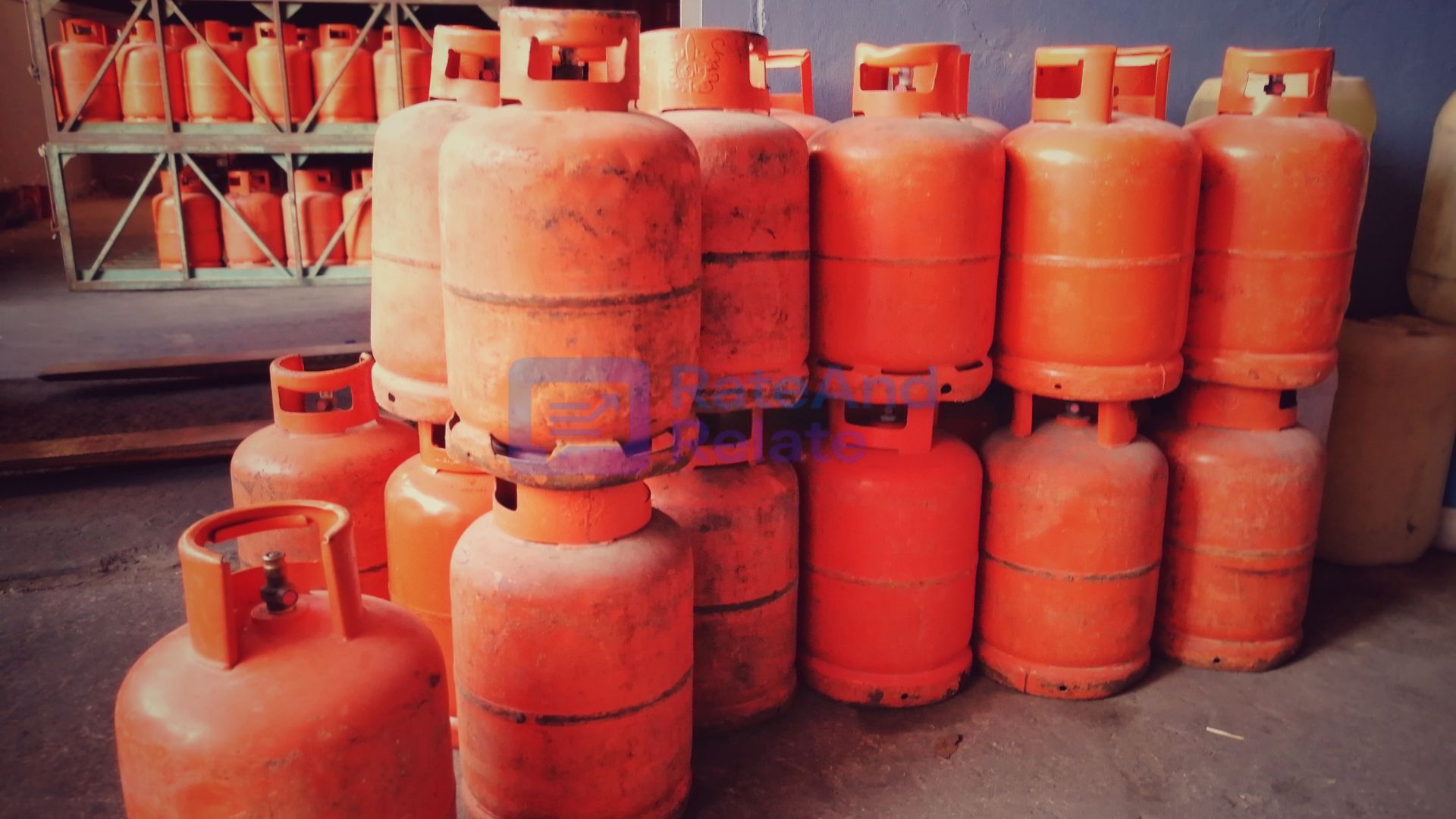

I checked my monthly expenses yesterday, and honestly, the price of my latest LPG cylinder shocked me. It wasn’t just a small increase—it felt like something bigger was happening.
We often watch news about tensions between Iran and Israel and assume it’s far away from our daily lives. However, I’ve started to feel that this war isn’t distant anymore—it has quietly entered our kitchens.
When global conflicts start deciding how much it costs to cook a simple meal, it’s no longer just politics—it’s personal.
1. The Choke Point: Why Your Gas Is Delayed
You might wonder how a conflict so far away affects your local LPG delivery.
Actually, the answer lies in the Strait of Hormuz—a narrow but extremely important route through which a huge portion of the world’s gas supply travels.
Right now:
- Tankers are being rerouted due to safety risks
- Shipping insurance costs have increased sharply
I feel this is a clear reminder of how fragile our energy system is. Even a small disruption in one location creates a chain reaction that reaches our homes.
2. The “Price Shock” Reality
However, delays are just one part of the problem—the bigger shock is the rising price.
Import costs are increasing, and while governments try to manage the situation, they cannot fully protect consumers forever.
In my view, the impact is uneven:
- Middle-class families are stretching budgets
- Lower-income households are struggling even more
- Monthly planning has become unpredictable
When cooking gas becomes expensive, it forces people to compromise on other essentials. That’s a serious shift in daily life.
3. The Waiting Game (Supply Shortages)
Sometimes, the issue isn’t just price—it’s availability.
There are increasing reports of:
- Delivery delays
- Port congestion
- Prioritization of industrial supply
Honestly, this is where the crisis feels real. Having money but still waiting days—or even weeks—for a cylinder makes you realize how dependent we are on global supply chains.
4. The Inflation Trap
Actually, the LPG crisis is just one piece of a larger problem.
Higher fuel costs don’t stay limited to cylinders—they spread across the economy:
- Transportation becomes expensive
- Food prices rise
- Daily essentials cost more
I strongly feel this is the beginning of a broader inflation cycle. LPG is just the first visible signal of a deeper economic pressure building up.
Conclusion
The LPG crisis of 2026 has made one thing very clear to me—we are far more connected to global events than we think.
We may not have control over international conflicts. However, we must understand that global stability is not just a political issue—it directly affects our kitchens, our budgets, and our everyday lives.
And honestly, when something as basic as cooking fuel becomes uncertain, it changes how secure we feel about the future.