
The music world in 2026 is more diverse and technology-driven than ever before. However, in my opinion, it is also becoming more personal. From AI-assisted compositions to cross-cultural fusions, I believe the way we create and consume music is evolving at an unprecedented pace.
This year, I see global rhythms and digital beats converging to define the sound of the future.
A Truly Global Soundscape
Music is no longer confined by geography. Actually, I have noticed that Latin rhythms, African beats, and K-Pop are blending seamlessly into mainstream charts worldwide.
I was excited to see artists like Kushagra, Vengayo, and Naalayak recognized on Amazon Music’s “Artists to Watch” list. My view is that this proves regional talent can now command global attention without needing a traditional label in Los Angeles or London. The rise of micro-genres is pushing boundaries, giving us experiences that I find truly unique.
AI and Technology in Music
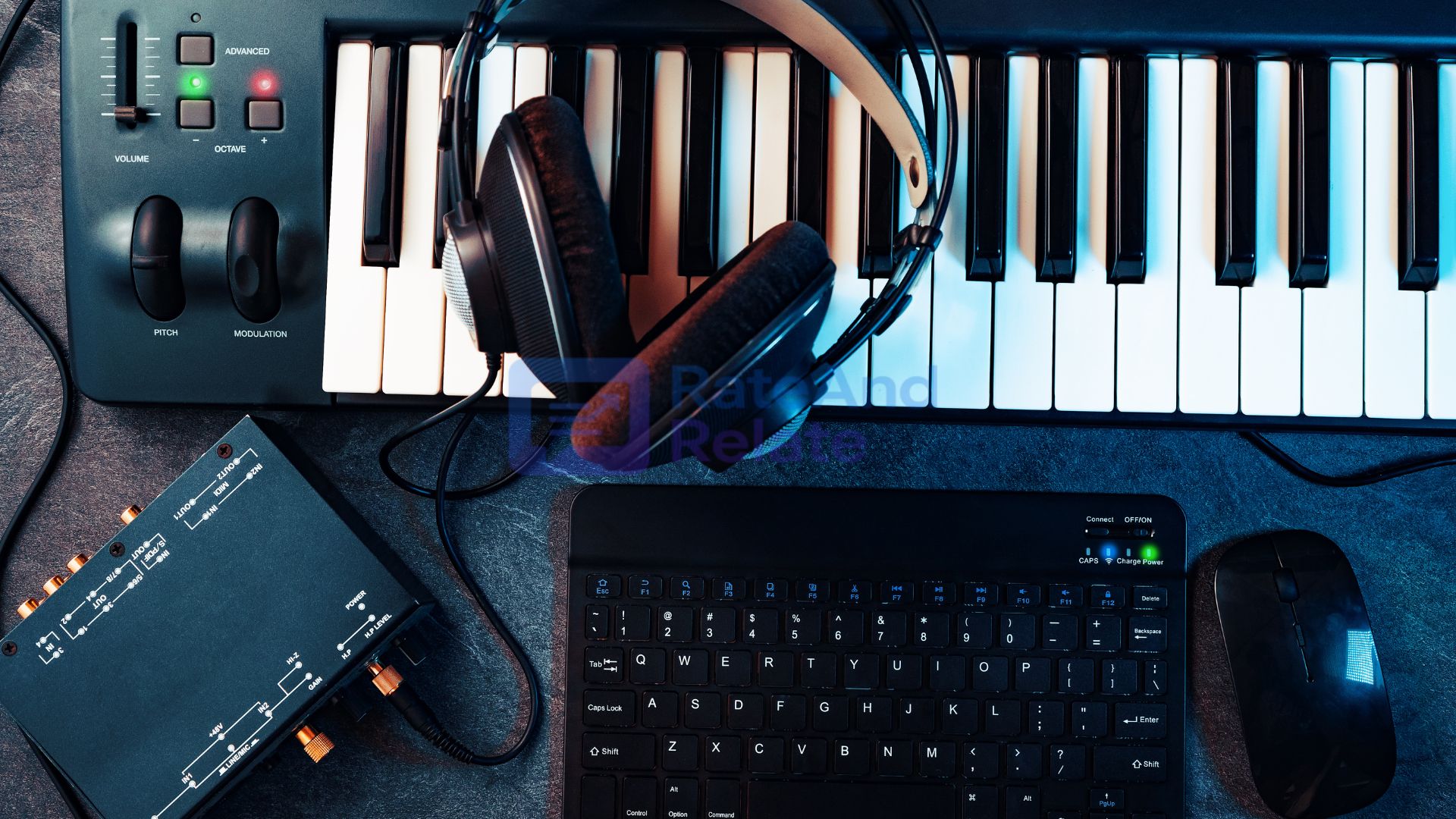
Artificial Intelligence has emerged as a major force in 2026. I used to be skeptical about robots making music, but I have changed my mind. AI tools now assist in everything from songwriting to adaptive soundtracks.
However, the real game-changer for me is personalization. Streaming platforms are leveraging AI to deliver hyper-personalized playlists. I love that music is becoming a highly individualized experience, tailored exactly to my mood.
Revival and Reinvention of Genres
My favorite trend right now is the renaissance of retro genres. I am seeing Riot grrrl-inspired rock and Irish folk being reinvented with modern production.
Meanwhile, Latin music continues its global ascent. Actually, the fusion of reggaeton with electronic sounds is captivating audiences far beyond Latin America. I rate this blending of old and new highly because it creates a vibrant ecosystem that feels fresh yet familiar.
Streaming, Accessibility, and Fan Influence
Streaming remains dominant, but I have observed that fans now play a more direct role. In my opinion, the days of record labels dictating hits are fading.
Social media challenges and AI-generated content allow listeners to influence trends instantly. I find this democratization empowering; independent artists can finally compete with global superstars.
Live Music Evolves
Concerts are also transforming. I recently noticed that venues are incorporating holograms and AR visuals. However, it’s not just about the tech.
Nostalgia-driven lineups appeal to multiple generations. In India, the 2026 festival calendar is packed with eclectic shows. I recommend checking out the folk-rock revival acts—they highlight the global diversity of music perfectly.
Physical Media and Vinyl Make a Comeback
Despite the dominance of streaming, I am surprised and delighted to see vinyl making a quiet resurgence.
Millennials and Gen Z are rediscovering tactile music experiences. My take? People crave a break from the ephemeral digital world. It underscores that music is not just about listening—it’s about culture and identity.
My Verdict
The music of 2026 is defined by innovation and inclusivity. My opinion is that we are at a turning point where technology, culture, and creativity collide.
For artists and listeners, the message is clear: adapt and experiment. I believe 2026 isn’t just another year in music; it is the year the world truly learns to listen together.