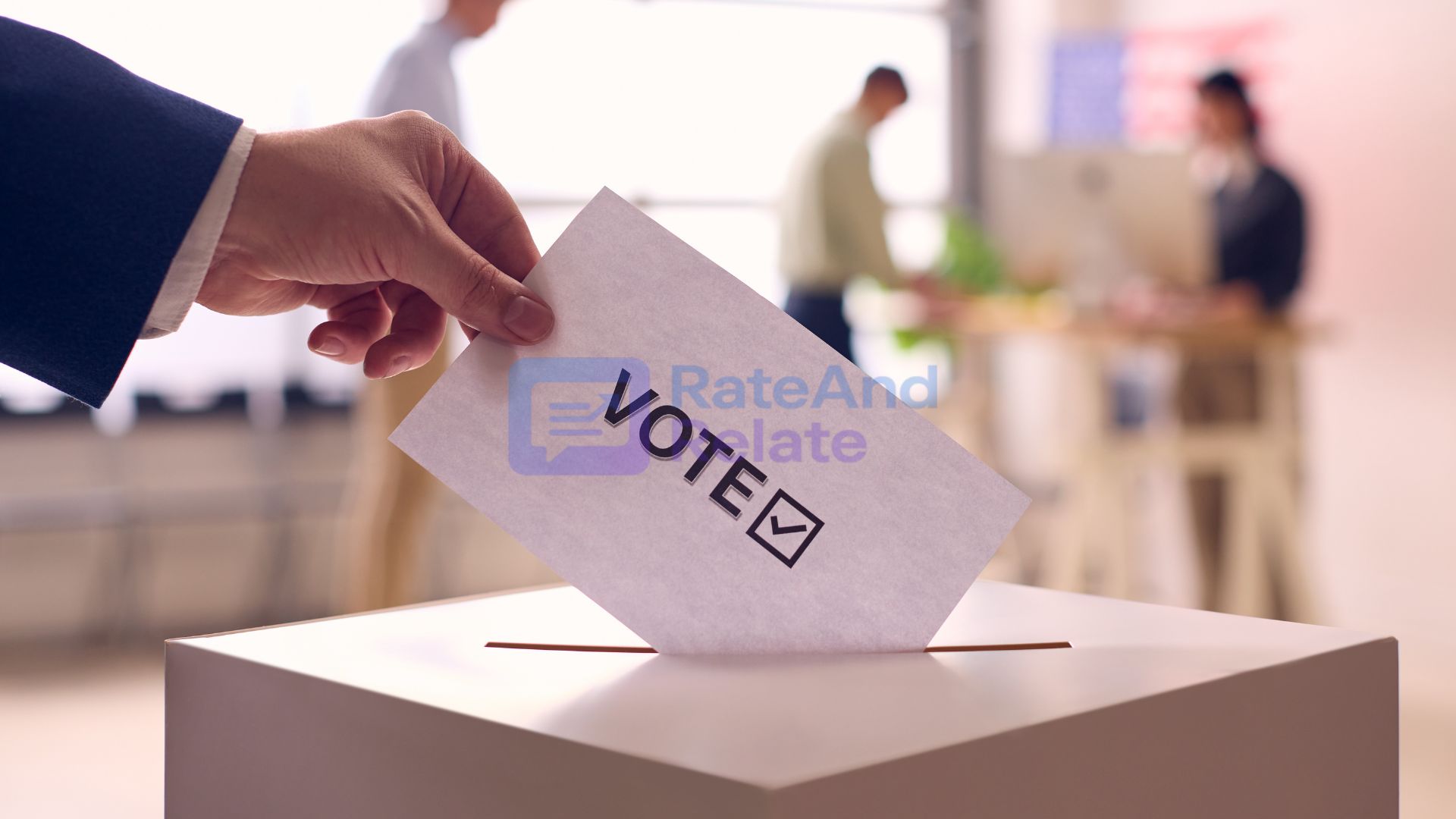

The year 2026 marks an absolutely defining moment in global politics, widely described by analysts as an “election supercycle,” with multiple massive countries heading to the polls almost simultaneously.
When I am building targeted SEO strategies and analyzing digital user behavior for clients, I see exactly how powerful algorithms are at influencing human decisions. In my opinion, whether it is a national election or a local governance battle, one massive factor unites them all today: the total dominance of digital campaigning. However, what was once just a minor supplement to traditional physical rallies and door-to-door outreach has now become the absolute backbone of political strategy, reshaping how our democracy functions in real time!
Here is my breakdown of how the digital shift is changing the global political landscape.
The Digital Shift: From Streets to Screens
Political campaigning has undergone a dramatic, irreversible transformation over the past decade. Social media platforms, backend data analytics, and digital advertising are strictly no longer optional tools—they are the central battlegrounds.
Actually, research heavily shows that platforms like Facebook, X (Twitter), and YouTube have evolved into incredibly powerful tools that directly influence voter behavior and dictate election outcomes. However, unlike traditional campaigning, digital platforms natively allow candidates to communicate instantly, respond to harsh criticism in real time, and build a highly direct, unfiltered connection with voters.
In my opinion, this raw immediacy has fundamentally changed exactly how everyday voters perceive their leaders and complex issues.
Micro-Targeting and Data-Driven Politics
One of the absolute most significant innovations in modern digital campaigning is micro-targeting. Just like we use data to sell products online, political parties now aggressively use vast, complex datasets to accurately identify voter preferences, hidden behaviors, and deep concerns.
Campaign messages are now perfectly tailored for highly specific groups—sometimes even targeting specific individuals—creating a hyper-personalized political communication loop.
Actually, this laser-precision beautifully allows campaigns to mobilize their core supporters highly efficiently. However, it also raises massive ethical concerns. In my opinion, targeted messaging subtly but powerfully influences voting intentions, especially when combined with high-intensity online ad spend. The ultimate result is a much more efficient—but infinitely more complex—democratic process, where different voters receive vastly different versions of the exact same political reality.
The Rise of Grassroots Digital Engagement
Digital campaigning is absolutely not only benefiting massive, well-funded political parties. Actually, right here in India, we are seeing grassroots candidates increasingly using smart online tools—such as digital crowdfunding and instant QR-based mobile donations—to seamlessly finance their entire campaigns.
In my opinion, this massive digital shift is beautifully making our elections much more inclusive by drastically lowering the financial barriers for participation. However, small independent candidates can now fiercely compete with established legacy players simply by leveraging highly engaged digital communities and direct social media outreach.
Misinformation and the Massive Crisis of Trust
While digital tools have wonderfully democratized access, they have also introduced terrifying new challenges.
Social media algorithms can amplify dangerous misinformation incredibly rapidly, often spreading highly misleading narratives infinitely faster than fact-based corrections. Actually, recent election coverage strictly highlights how misleading data, AI-manipulated visuals, and wildly exaggerated claims are actively being used in campaign materials, severely eroding public trust.
In my opinion, this raises a highly critical question for our future: if everyday voters simply cannot distinguish between accurate reality and digitally manipulated information, can our democratic decision-making ever remain truly informed?
Regulation vs. Freedom: A Delicate Balance
Governments and election bodies worldwide are completely struggling to regulate this rapid digital campaigning. Authorities have aggressively begun cracking down on unlawful or highly misleading online content during elections just to maintain basic fairness.
However, strict regulation presents a massive, unavoidable dilemma. Too little digital oversight risks extreme misinformation and voter manipulation; too much government control severely threatens free speech and organic political expression. Actually, modern democracies are currently navigating this highly delicate balance in real time.
Hybrid Campaigning: The New Normal
Despite the explosive rise of digital tools, traditional physical campaigning has absolutely not disappeared. Instead, a highly effective “hybrid model” has emerged.
Smart candidates now perfectly combine highly targeted social media outreach with a strong physical presence—massive rallies, door-to-door visits, and active community engagement—to maximize their total impact. In my opinion, this blended approach reflects a massive underlying truth: while digital platforms brilliantly expand your reach, deep voter trust is almost always built through genuine personal interaction.
Final Thoughts
The massive Election Supercycle of 2026 is so much more than just a series of political events—it is the ultimate test of exactly how democracy adapts to rapid technological change.
Actually, digital campaigning is no longer just changing our elections—it is completely redefining democracy itself. In my opinion, as voters, policymakers, and tech platforms navigate this rapidly evolving digital landscape, one thing is crystal clear: the rules of political engagement have permanently shifted from physical spaces into complex digital ecosystems.
However, the absolute real challenge now is not whether digital campaigning will shape democracy—it is whether our democracy can actually keep pace with the terrifying speed and scale of this digital transformation!