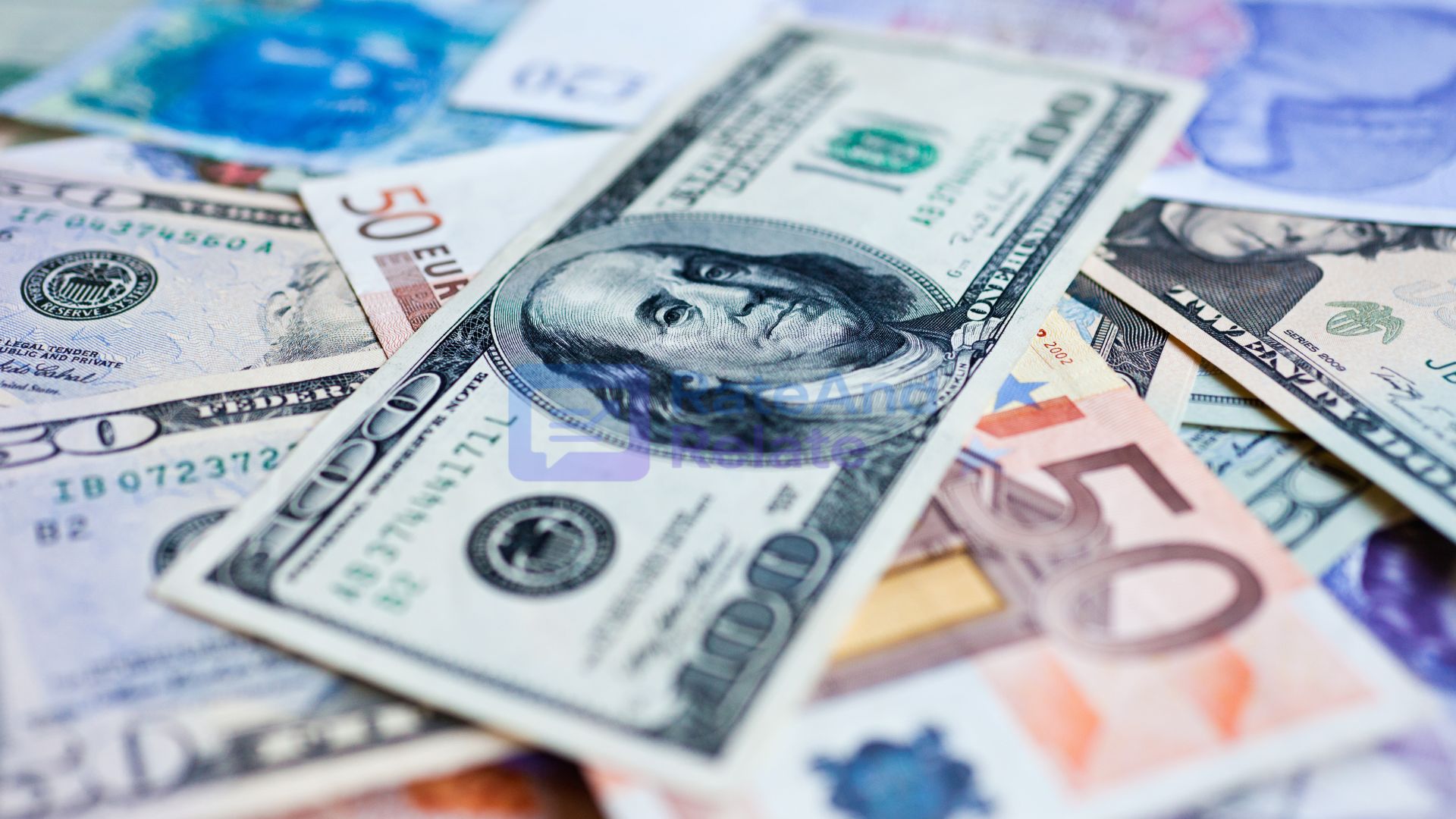

Global currency markets are rapidly entering a completely new phase in 2026. In my opinion, the long-standing dominance of the U.S. dollar is absolutely still strong, but it is no longer completely unchallenged. Actually, emerging market currencies are gradually gaining serious stability, massive influence, and deep investor confidence, creating a vastly more balanced and highly competitive global financial system.
When I analyze global tech investments and digital infrastructure growth right here in India, these currency shifts dictate everything from server costs to foreign capital inflow. Here is my breakdown of exactly what is happening to the global financial order!
The Dollar: Still the Global Anchor
The U.S. dollar undeniably continues to hold its fierce position as the world’s primary reserve currency. It is widely used in global trade, international debt, and central bank reserves.
Key reasons for its continued strength include:
- Incredibly strong and deep financial markets in the United States.
- Massive global trust in dollar-based assets during times of global uncertainty.
- Exceptionally high liquidity and absolute ease of global transactions.
- Continued, relentless demand for safe-haven investments.
However, in 2026, the dollar is facing vastly more pressure than in previous historical cycles. Massive shifts in global trade patterns, rapidly changing interest rate expectations, and rising geopolitical diversification are slowly but surely reducing its absolute dominance.
Emerging Markets: Stepping Into a Much Stronger Role
Emerging markets are absolutely no longer just passive participants in global currency movements. Actually, many economies in Asia, Latin America, and parts of Africa are showing vastly stronger financial resilience and much faster growth.
Why emerging market currencies are aggressively gaining attention:
- Vastly faster economic growth compared to stagnant developed economies.
- Massively increasing foreign investment inflows into manufacturing, tech, and physical infrastructure.
- Incredibly strong domestic consumption in massive populations like India and Indonesia.
- Aggressive diversification by global investors actively moving away from dollar-heavy portfolios.
In my opinion, currencies from select emerging markets are becoming vastly more stable right now because local inflation control is improving and central banks are adopting much stronger monetary policies.
A Massive Shift Toward a Multi-Currency World
One of the absolute most important trends I am tracking in 2026 is the gradual, irreversible shift from a strictly dollar-centric system toward a much more multi-currency global order.
Key changes include:
- Massive global trade agreements increasingly using local currencies instead of only dollars.
- The rapidly rising role of regional financial systems in Asia and BRICS economies.
- Central banks actively holding much more diversified foreign exchange reserves.
- The explosive, growing influence of digital payment systems in cross-border trade.
Actually, this shift absolutely does not replace the dollar overnight; however, it significantly reduces its exclusivity in global transactions.
What Is Actually Driving This Currency Shift?
- Interest Rate Cycles: Differences in interest rates between developed and emerging economies are heavily influencing massive capital movement. Investors are constantly seeking vastly better returns.
- Global Trade Realignment: Global supply chains are aggressively shifting toward Asia and emerging economies, massively increasing the baseline demand for their currencies.
- Commodity and Energy Prices: Resource-rich emerging economies benefit massively when global commodity demand rises, instantly strengthening their local currencies.
- Investor Diversification: Massive global funds are increasingly spreading their investments across multiple regions just to reduce their dollar risk.
Volatility Still Definitely Exists
Despite these highly positive trends, emerging market currencies absolutely still face serious challenges.
- Higher historical volatility compared to the dollar.
- Deep political and policy uncertainty in some specific regions.
- High sensitivity to sudden global risk events and rapid capital outflows.
- Heavy dependence on external demand in certain smaller economies.
In my opinion, this means the global financial transition is absolutely not perfectly smooth or uniform across all emerging markets.
A More Balanced Financial World
The key story of 2026 is absolutely not the immediate decline of the dollar, but rather the rapid rise of global balance. The world is moving toward a system where:
- The dollar firmly remains dominant in global finance.
- Emerging markets play a much larger, highly influential supporting and regional role.
- Total currency power is vastly more distributed than ever before.
Conclusion
The modern currency landscape in 2026 perfectly reflects a gradual, historic rebalancing of global economic power. The U.S. dollar continues to act as the absolute backbone of international finance. However, emerging markets are steadily strengthening their global position through rapid growth, massive trade expansion, and deep investor interest.
Actually, instead of a single dominant currency system, the world is rapidly moving toward a much more interconnected and highly multipolar financial structure. In my opinion, the countries and businesses that understand and adapt to this newly shared influence will be the true financial winners of the next decade!