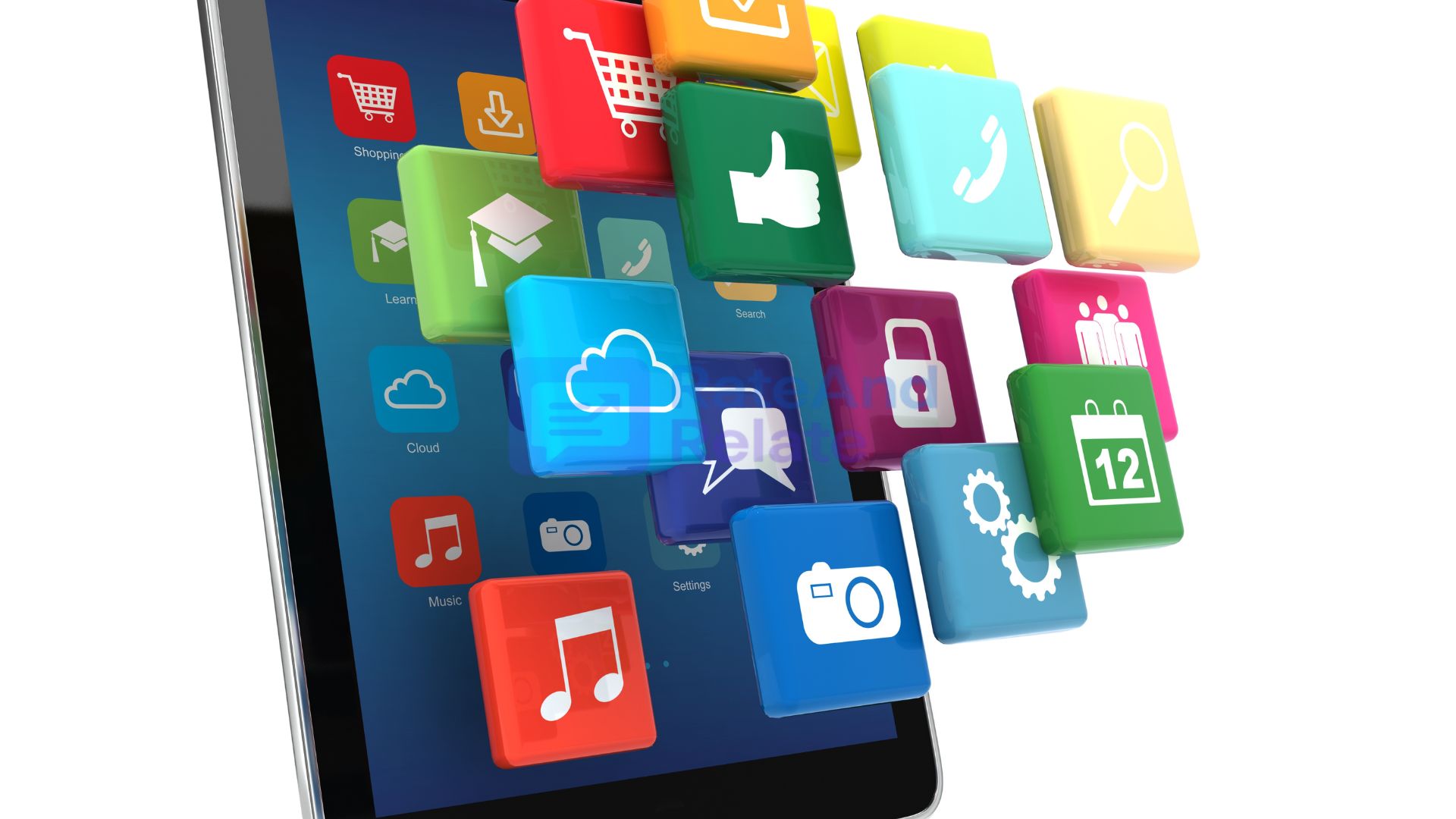
For decades, businesses followed a predictable path: focus on one core product, sell it at scale, and expand slowly into related offerings. But the world has shifted. Today’s most successful companies aren’t selling products — they’re building ecosystems. From Apple to Amazon, Reliance to Tata, and even emerging D2C brands, a new strategic trend has taken over: the rebundling era.
This transformation quietly reshapes how we shop, learn, pay, travel, work, and interact with brands.
What Is Rebundling?
In simple terms, rebundling means offering multiple interconnected products and services inside one unified experience.
Earlier, technology caused unbundling.
→ Newspapers were broken into blogs.
→ Banks into fintech apps.
→ Retail into niche D2C brands.
→ Cable TV into dozens of streaming apps.
But today, customers are overwhelmed by too many choices, apps, subscriptions, and scattered services. So companies are now taking the reverse path:
bringing everything back together in one place.
That’s rebundling.
Why Are Companies Rebundling?
1. Consumers want convenience, not 50 different apps
Modern users don’t want to manage separate apps for payments, travel, shopping, bills, fitness, food delivery, and news. Ecosystems turn multiple touchpoints into one seamless journey.
This is why:
- Apple integrates devices + cloud + media + health
- Amazon bundles shopping + payments + entertainment + pharmacy
- Reliance combines telecom + retail + finance + content
Convenience has become the biggest currency.
2. Ecosystems increase customer lifetime value
A single product has limited revenue.
An ecosystem creates multiple recurring streams from one customer.
More products → deeper engagement → higher lifetime value → stronger loyalty.
3. Data becomes exponentially more powerful
When a company owns multiple parts of the customer journey, it collects richer and more connected data:
- What you buy
- How you pay
- What you watch
- Where you travel
- What you search
This fuels sharper personalization, smarter recommendations, and new product ideas.
4. Cross-selling and upselling become effortless
In an ecosystem, every service promotes every other service.
Examples:
- Amazon Prime Video increases Amazon shopping
- Apple Music increases Apple device lock-in
- Jio SIM boosts JioCinema usage and JioMart shopping
One product enhances demand for another.
5. Ecosystems create “lock-in power”
When customers depend on a suite of services, switching becomes difficult.
You don’t just leave the product —
you leave the entire experience, which is far more painful.
This is why tech giants fight so hard to expand their ecosystems.
Industries Leading the Rebundling Revolution
1. Technology
Big Tech has mastered rebundling:
- Apple
- Amazon
- Microsoft
Each controls a full-stack ecosystem from devices to services.
2. Retail & FMCG
Companies like Reliance/Tata are bundling:
- grocery
- fashion
- electronics
- pharmacy
- banking
- telecom
- entertainment
The goal: be part of your daily routine from morning to night.
3. Finance
Fintechs are moving from simple wallets or UPI apps to full ecosystems:
- credit
- insurance
- mutual funds
- shopping
- bill payments
- rewards
- travel
Paytm and PhonePe are classic examples.
4. Healthcare
Hospitals and health-tech firms are building ecosystems around:
- diagnostics
- pharmacy
- consultations
- health tracking
- insurance
Healthcare is shifting from episodic to continuous engagement.
How Rebundling Benefits Consumers
- Fewer apps and accounts to manage
- Unified customer support
- Better personalization
- Cost savings through bundled subscriptions
- Faster, smoother digital experiences
But it also raises concerns:
monopoly, data control, and dependency.
What It Means for the Future
The next decade will see companies battle not for market share, but for mindshare and ecosystem dominance.
The winners will be those who:
- offer the most integrated user experience
- build trust around data usage
- innovate continuously
- deliver consistent value across domains
Products create sales.
Ecosystems create empires.
We have officially entered the rebundling era — where the biggest advantage a company can build is not a product, but a world you never need to leave.