In the digital age, attention has become one of the most valuable resources. Behind endless scrolling, frequent notifications, and irresistible app designs lies a powerful neurological mechanism: the dopamine loop. Powered by artificial intelligence, this loop is reshaping how we think, behave, and interact with technology—often without us realizing it.
Understanding Dopamine and the Brain
Dopamine is a neurotransmitter associated with motivation, reward, and learning. Contrary to popular belief, dopamine is not just about pleasure; it is about anticipation. When the brain expects a reward, dopamine levels rise, pushing us to repeat the behavior that triggered it.
This mechanism evolved to help humans survive—seeking food, social connection, and achievement. Today, digital platforms have learned to hack this system.
How AI Creates the Dopamine Loop
Modern apps are not passive tools. They are powered by AI algorithms that continuously learn from user behavior. Every tap, pause, scroll, and click feeds data back into the system. AI then optimizes content to maximize engagement.
The loop works like this:
- A notification or content suggestion triggers curiosity
- The user engages, receiving a small reward (likes, messages, new content)
- Dopamine reinforces the behavior
- AI adjusts timing and content to repeat the cycle
Over time, the brain starts craving the anticipation of the reward, not the reward itself.
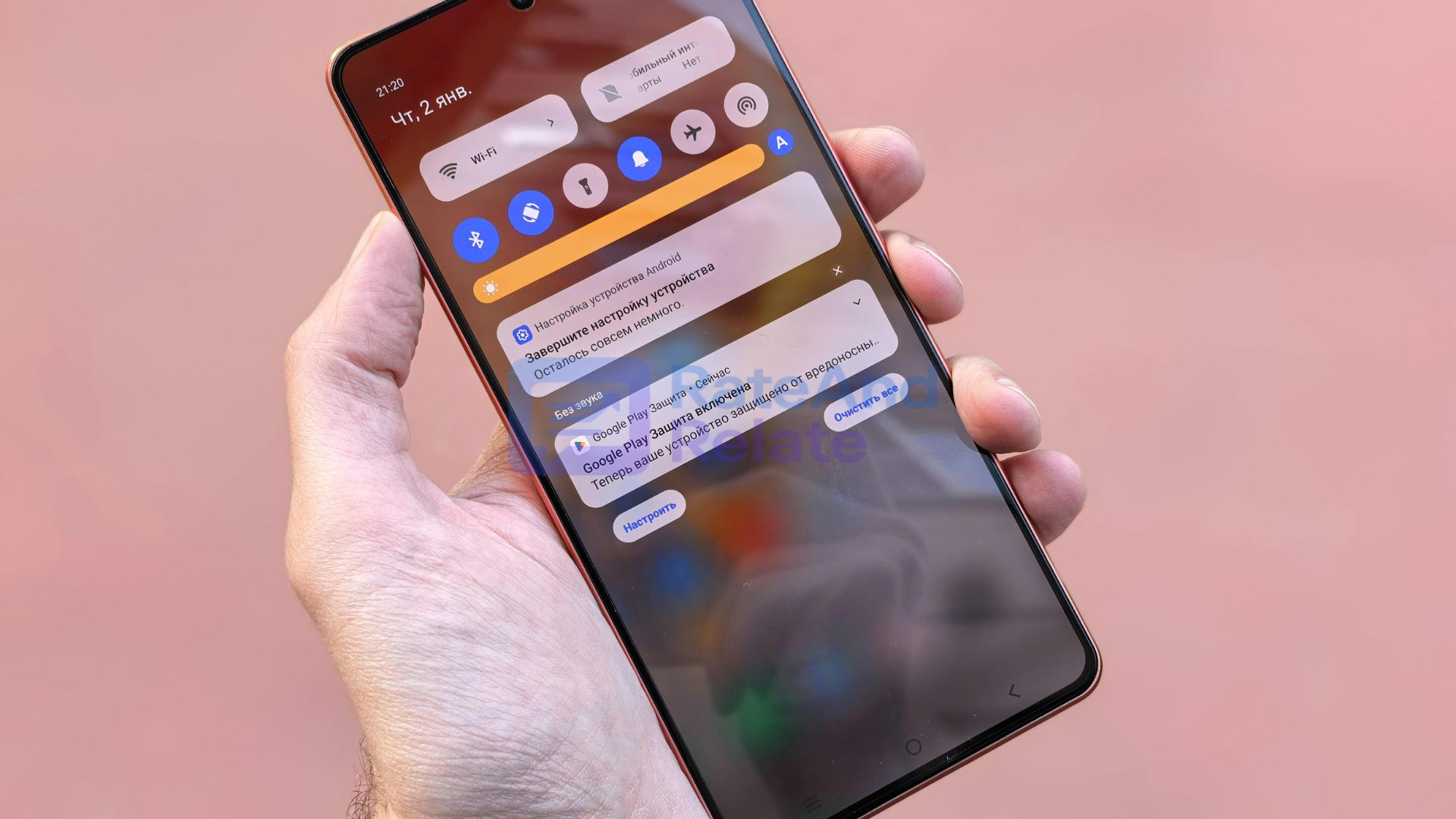
Notifications: Small Triggers, Big Impact
Notifications are designed to be unpredictable. This uncertainty mimics variable reward systems, similar to gambling. Sometimes a notification is exciting, sometimes it’s irrelevant—but the brain can’t predict which.
AI fine-tunes:
- When notifications are sent
- What language is used
- Which users are most likely to respond
This unpredictability keeps users checking their devices compulsively, even without a clear purpose.
From Habit to Dependency
Repeated exposure to dopamine loops can shift behavior from conscious choice to automatic habit. Over time:
- Attention spans shorten
- Boredom tolerance decreases
- Offline activities feel less stimulating
In extreme cases, this can resemble behavioral addiction—characterized by loss of control, withdrawal-like anxiety, and excessive usage despite negative consequences.
The Role of Personalization
AI personalization deepens the loop. Content feeds are tailored to individual emotional triggers—humor, outrage, validation, or novelty. This creates a highly personalized reward system, making disengagement even harder.
Unlike traditional media, AI-driven platforms adapt in real time, becoming more effective at holding attention with every interaction.
Economic Incentives Behind the Loop
The dopamine loop is not accidental. Many digital platforms operate on an attention-based business model, where engagement translates directly into advertising revenue and data value.
This creates a conflict between:
- User well-being
- Platform profitability
As long as attention equals income, there is little incentive to reduce addictive design patterns.
Breaking the Loop: Awareness and Design Responsibility
Breaking the dopamine loop requires action at multiple levels:
For individuals:
- Turning off non-essential notifications
- Creating intentional screen-free time
- Practicing mindful technology use
For designers and companies:
- Ethical AI design principles
- Transparency in recommendation systems
- Shifting from engagement-maximization to well-being metrics
For policymakers:
- Regulation around addictive digital design
- Protection of vulnerable users, especially children
The dopamine loop powered by AI and notifications is shaping modern behavior in profound ways. While these technologies offer convenience and connection, unchecked optimization for engagement risks turning tools into traps.
Understanding the neuroscience behind digital addiction is the first step toward reclaiming control. Technology does not have to dominate attention—it can be designed to serve human well-being rather than exploit human biology.
The future of AI should not be about keeping us hooked, but about helping us stay human.