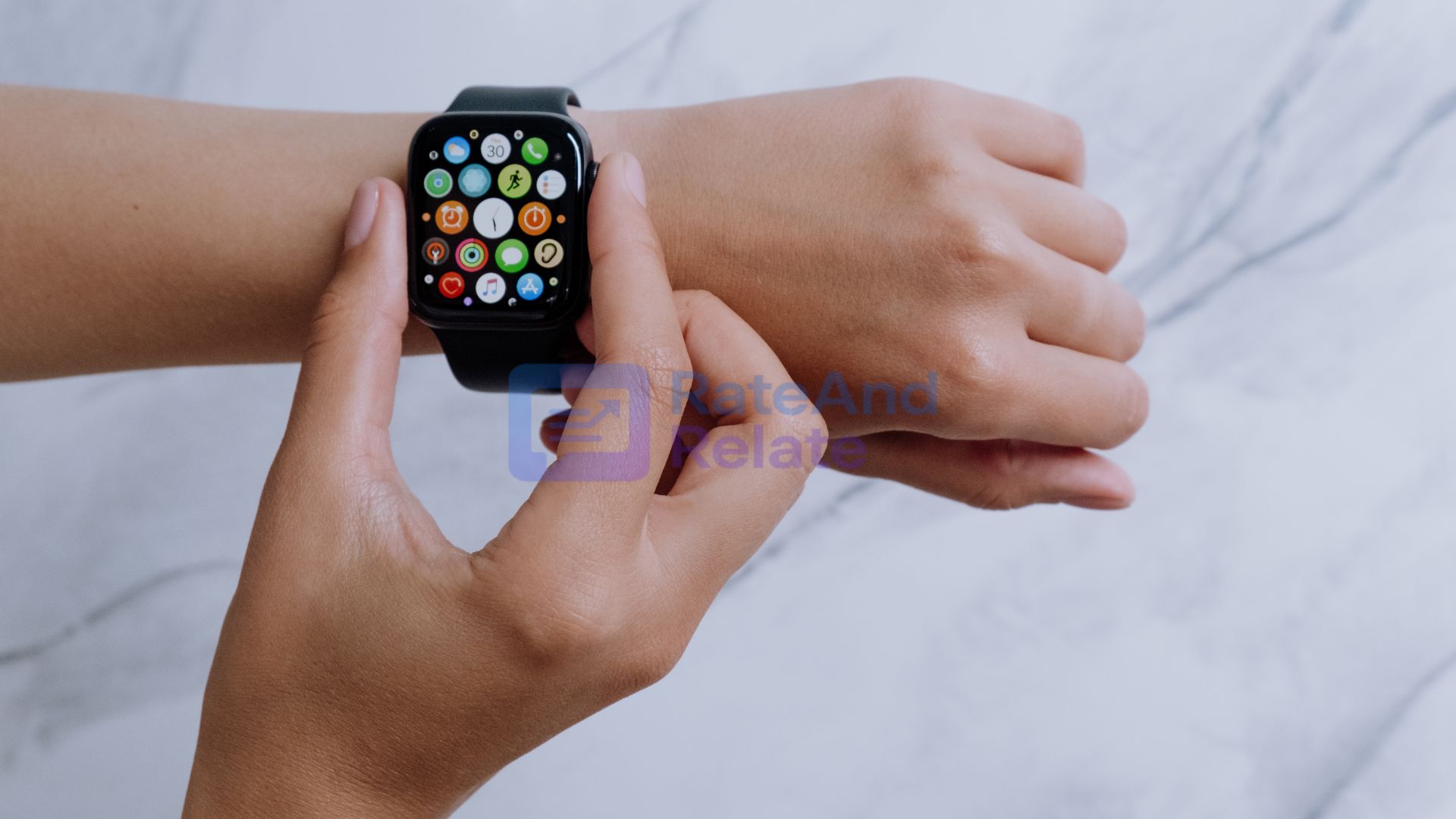
For years, the smartwatch industry was caught in an incremental rut: slightly thinner bezels, fractional increases in screen brightness, and the same familiar activity rings nudging us to stand up every hour. In my opinion, collecting mountains of raw biometric data without explaining what to do with it turned early smartwatches into high-tech anxiety generators rather than genuine health tools.
Actually, the Apple Watch Series 11 GPS + Cellular (46mm Aluminium) represents a fundamental philosophical shift. Instead of merely logging steps and heartbeats in the background, Apple has combined on-device artificial intelligence, standalone 5G connectivity, and deep recovery metrics to transform the device into an active personal health strategist. However, cramming real-time AI processing and cellular radios into a lightweight wrist-worn chassis introduces real engineering trade-offs—especially when it comes to everyday battery endurance.
When I evaluate whether the Series 11 earns its place on your wrist, the decisive factor is not just its sleeker 46mm display; it is how seamlessly Apple Intelligence turns raw bodily signals into actionable daily guidance.
Beyond Passive Step Counting: Precision Sleep Scoring and Recovery Telemetry
Tracking sleep used to mean looking at a rudimentary bar graph the next morning showing light, deep, and REM cycles. While interesting, that data rarely told users how prepared their bodies actually were for the physical demands of the day ahead.
The Series 11 addresses this gap by shifting toward holistic recovery modeling:
- Contextual Sleep Scoring: By synthesizing continuous skin temperature variations, heart rate variability (HRV), resting pulse, and nocturnal respiratory rates, the watch calculates an intuitive daily Sleep Score. In my opinion, this finally bridges the gap between how long you lay in bed and the restorative quality of that rest.
- Proactive Physiological Alerts: Continuous biometric monitoring actively screens for unexpected heart rate spikes, sudden drops, and atrial fibrillation signals, prompting medical evaluation before minor irregularities escalate into health emergencies.
- Training Load vs. Rest Balance: Rather than demanding that you close your exercise rings every single day regardless of exhaustion, the integrated recovery engine analyzes recent strain against restorative sleep, explicitly advising when to push hard and when to take a scheduled recovery day.
Actually, giving users permission to rest based on physiological data is a far more sophisticated health intervention than relentlessly demanding that they burn more calories.
The On-Wrist AI Revolution: Real-Time Pacing with Workout Buddy
Voice assistants on previous wearables were mostly limited to setting cooking timers, checking weather forecasts, or sending quick dictations. With the arrival of on-device Apple Intelligence, the Series 11 uses local machine learning to actively guide physical performance.
The headline feature, Workout Buddy, completely rethinks mid-run pacing:
- Adaptive Effort Calibration: Instead of adhering strictly to pre-configured speed targets, Workout Buddy analyzes your current stride pace, live heart rate zone, ambient weather conditions, and historical workout stamina in real time.
- Dynamic Audio and Visual Cues: If the algorithm detects that your cardiac strain is accelerating too rapidly early in a long run, it delivers subtle haptic taps and voice cues through your earbuds, prompting you to dial back your cadence before premature muscle fatigue sets in.
However, active AI coaching can occasionally feel intrusive if you simply want an uninterrupted, peaceful jog. In my opinion, learning to calibrate notification frequency is essential so that digital encouragement does not cross the line into constant audio distraction.
The 5G Independence Factor: Untethering from the iPhone
Cellular capability on smartwatches was originally treated as an emergency backup for when you accidentally left your smartphone on the kitchen counter. With high-speed 5G architecture integrated into the 46mm Aluminium model, the watch becomes a truly independent computing terminal.
- Completely Phone-Free Training: You can leave a heavy flagship phone at home and still stream high-bitrate audio playlists, follow dynamic turn-by-turn topographical GPS maps, and field client phone calls directly from your wrist.
- Sub-Second Cloud Synchronization: High-bandwidth transmission ensures that complex biometric files, workout splits, and third-party fitness app telemetry sync instantly with cloud dashboards the moment an activity concludes.
- Critical Safety Telemetry: Onboard 5G connectivity powers Apple’s vital hardware safety tools—including Crash Detection, Fall Detection, and Emergency SOS with satellite relay fallback—wherever cellular networks reach.
Actually, the freedom of heading out for a two-hour trail run without a bulky glass slab bouncing in your pocket is where cellular smartwatches deliver their greatest lifestyle payoff.
Grading the Apple Watch Series 11
Evaluating whether the 46mm Aluminium Series 11 justifies an upgrade requires balancing its advanced health features against the realities of daily use:
- Sleep & Recovery Intelligence
Synthesizing HRV, skin temperature, and sleep staging into an actionable daily readiness metric is a massive leap forward. In my opinion, it finally makes Apple’s health suite competitive with specialized athletic trackers.
- Workout Buddy & Real-Time AI Guidance
Dynamic pacing adjustments based on live heart rate zones provide genuine value for endurance runners and cyclists. However, dialing in the right notification frequency is crucial to avoid alert fatigue.
- 46mm Ergonomics & Build Quality
The refined aluminium chassis offers an expansive, edge-to-edge display that remains easily readable under direct sunlight while staying exceptionally light during high-impact sprints.
- Battery Endurance Under 5G & GPS Load
Battery life remains the primary compromise of the Apple Watch ecosystem. While fast charging helps soften the blow, running 5G streaming, active GPS tracking, and continuous biometric monitoring means you will still need to charge it daily.
The Daily Friction Point: Managing the Power Trade-Off
All of this on-wrist computational horsepower inevitably collides with the laws of battery chemistry.
While dedicated sports watches from specialized fitness brands can last two weeks on a single charge by using low-power memory-in-pixel screens and minimal connectivity, the Series 11 powers an ultra-bright OLED display, background AI models, and an active 5G radio.
In my opinion, users must build a consistent charging routine—such as placing the watch on its magnetic puck while showering or getting ready in the morning—to take full advantage of continuous overnight sleep tracking without running out of power halfway through the afternoon.
Conclusion
The Apple Watch Series 11 marks the transition of wearable technology from passive activity counters into proactive health partners.
In my opinion, assuming that a smartwatch must constantly demand more intense workouts to deliver value is an outdated design philosophy. However, when a device pairs clinical-grade biometric sensors with intelligent recovery advice and standalone 5G connectivity, it ceases to be a mere iPhone accessory. Actually, the defining triumph of the Series 11 isn’t that it tracks every move you make—it is that it finally provides the personalized intelligence you need to train smarter, rest better, and stay safe on your own terms!