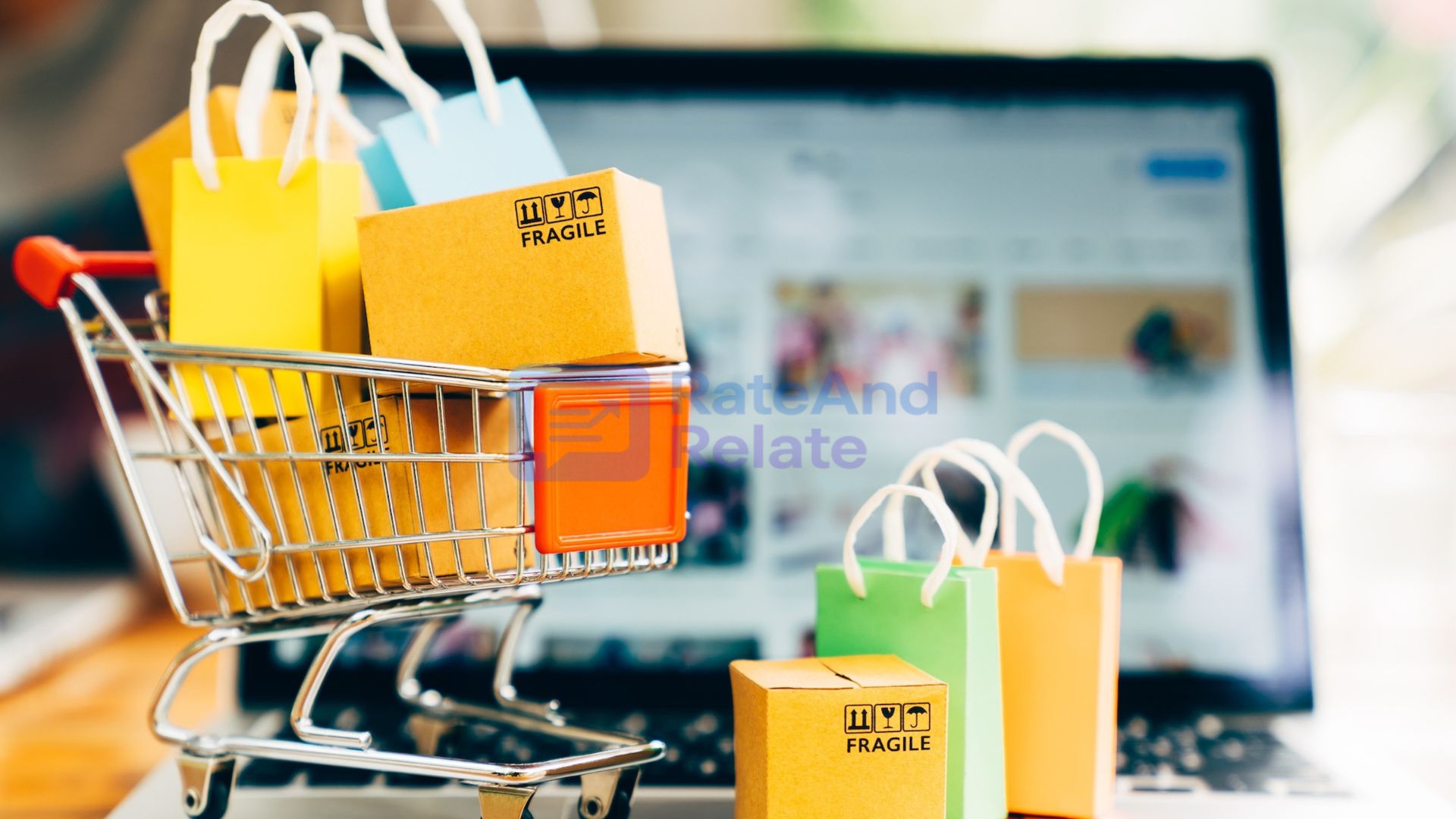

When I observe the retail landscape today, the biggest shift isn’t a new product or a trendy marketing campaign—it is how we fundamentally experience shopping.
Picture this: On a busy Saturday morning in a mid-sized city, a shopper walks into a clothing store. She isn’t there to browse randomly; her phone has already guided her there. A day earlier, she had been scrolling through an app, saving outfits, checking sizes, and comparing prices. As she walks through the physical doors, her phone quietly notifies her: “Saved item available in your size. Try it in-store today.”
Actually, this isn’t science fiction. This is the reality of retail in 2026—where online and offline are no longer separate worlds, but a single, continuous loop.
The Store That Already Understands the Shopper
For years, online shopping and physical retail worked completely independently. One focused strictly on convenience, while the other focused on the tactile experience. In my opinion, this disconnect often frustrated customers who expected the brand to “know them” regardless of where they shopped.
However, today, both channels operate as one connected system. When that shopper steps inside the store, the system already recognizes her preferences based on her past browsing behavior and saved items. Nothing feels intrusive; the brand just feels more prepared to serve her. Even the fitting room experience becomes smarter, with instant suggestions for matching items. What once felt like aggressive sales marketing now simply feels like helpful guidance.
From Cart to Continuous Journey
Let’s look at another common scenario. A customer places an order online during their lunch break and chooses a nearby store pickup option for that afternoon. By evening, they walk in, scan a quick QR code, and collect their order without waiting in a single line.
But the journey doesn’t stop there. Before they leave, the digital system recommends a related accessory based on their purchase, and they grab it off the shelf instantly. I believe this is the ultimate goal of modern commerce: shopping is no longer a single, isolated transaction. It has become a continuous journey that fluidly crosses between digital platforms and physical aisles.
The System Behind the Experience
This seamless flow doesn’t just happen by magic; it is powered by deep, real-time integration.
- Real-time Inventory: A product sold online reflects instantly on the in-store inventory screen.
- Flexible Returns: Returns can be processed anywhere, effortlessly.
- Tap-to-Buy: Items tried on in-store can be purchased days later through a digital platform with a single tap.
Businesses are no longer managing separate sales channels; they are operating one unified ecosystem. Actually, it isn’t just the mega-brands pulling this off. Smaller retailers are rapidly joining this shift through digital catalogs, WhatsApp integrations, and localized delivery networks that connect them to the exact same omnichannel ecosystem.
The Changing Role of Physical Stores
I have noticed a massive transformation in how physical spaces are utilized. Physical stores are no longer just massive inventory warehouses or simple points of sale. They have evolved into immersive experience spaces.
People visit to physically interact with products, compare options in real life, and get highly personalized assistance. Because of this, retail staff now act much more like trusted advisors than traditional salespeople. At the same time, these physical stores generate incredibly valuable data insights that help the brand improve future digital recommendations and inventory decisions.
What the Modern Shopper Actually Wants
Today’s customers simply don’t think in terms of “online” or “offline” anymore. They focus strictly on what matters most to their daily lives:
- Speed and efficiency
- Frictionless convenience
- Competitive pricing
- Personal relevance
- Easy access
In my opinion, the medium no longer matters to the consumer. The experience is the only thing that matters.
A Single Future of Retail
Retail is gradually, but permanently, becoming one connected system where apps, websites, physical stores, and digital tools work together in perfect harmony.
Looking ahead, my opinion is that shopping will soon become even more predictive—where a customer’s needs are anticipated and prepared before they even type a search query. The boundary between online and offline is already fading away.
What remains is a single, continuous retail system—always connected, always evolving, and always responding perfectly to the customer.