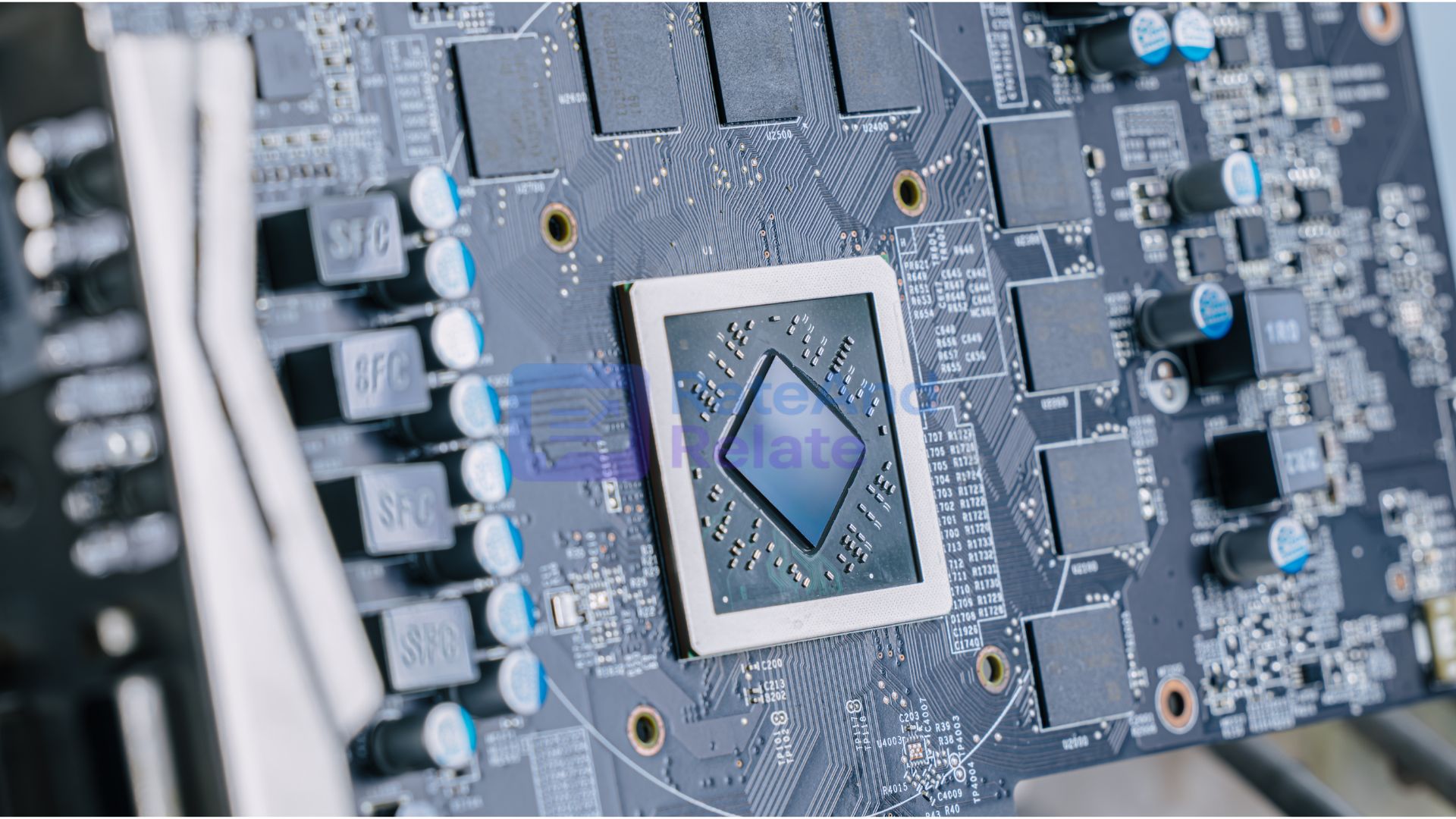

For years, consumer artificial intelligence lived almost exclusively behind glass screens. We interacted with AI by opening web browsers, downloading apps, or typing queries into text boxes. In my opinion, treating AI purely as a software application was merely phase one. Actually, 2026 is proving to be the definitive tipping point where intelligence embeds itself directly into physical silicon, everyday wearables, and ambient hardware.
Hardware manufacturers are no longer just building devices that display information; they are designing hardware that understands physical surroundings and responds in real time. However, this shift isn’t about eliminating smartphones overnight—it is about fundamentally changing how humans interact with technology.
Moving Beyond the Screen: Wearables as the New Interface
The most significant shift in modern hardware design is the gradual movement away from traditional displays.
Smart glasses, AI-enabled earbuds, and contextual wearables represent a transition from AI as a standalone software program to AI as an active operational interface. In my opinion, reaching into your pocket to unlock a phone every time you need an answer is a legacy behavior.
- Contextual Smart Glasses: Cameras, microphones, and spatial sensors allow glasses to overlay real-time translation, navigation, and object recognition directly onto your field of view.
- Intelligent Earbuds: Audio hardware is evolving into active voice assistants that provide real-time language interpretation and contextual notifications without requiring screen interaction.
- Ambient Sensing: Wearables process surrounding visual and audio signals continuously, delivering proactive insights rather than waiting for manual search prompts.
AI PCs and the Rise of On-Device Processing
Computers are undergoing their most aggressive architectural redesign in over two decades.
Actually, the biggest innovation in modern laptops and desktops isn’t faster clock speeds—it is the integration of dedicated Neural Processing Units (NPUs). In my opinion, running AI workloads locally on native silicon solves two massive enterprise headaches simultaneously: cloud latency and data privacy.
Instead of routing every prompt to external cloud servers, AI PCs execute complex tasks locally:
- Real-time video enhancement and background noise suppression.
- Instant local document summaries and code generation.
- Automated accessibility, real-time audio transcription, and predictive workflow assistance.
However, for the average consumer, these capabilities won’t be marketed as complex machine learning algorithms—they will simply become as expected and seamless as Wi-Fi or Bluetooth.
Smart Home Ecosystems and Household Robotics
Inside the home, hardware is transitioning from static smart speakers to active spatial environments.
Actually, traditional smart home setups required strict, robotic voice commands. Next-generation home hubs utilize natural language processing to manage household schedules, optimize energy distribution, and coordinate connected appliances based on daily routines rather than manual triggers.
In my opinion, robotics represents the most fascinating hardware frontier. As spatial AI models mature, physical home robots are moving from basic vacuuming units into autonomous assistants capable of recognizing objects, navigating complex rooms, and executing multi-step physical tasks.
The Real Friction Points: Battery, Privacy, and Utility
While the technology is advancing rapidly, going mainstream requires overcoming several brutal hardware realities.
In my opinion, launching an AI gadget with impressive specs isn’t enough; it must solve a genuine human pain point better than the smartphone already in your pocket.
- The Battery Wall: Continuous camera, microphone, and sensor processing requires massive power. However, consumers will not tolerate wearables that require charging every four hours.
- Privacy & Constant Surveillance: Devices that see and hear everything raise serious ethical and legal concerns around data consent, storage, and third-party access.
- The Price-to-Value Ratio: Actually, if an AI hardware product carries a premium price tag without replacing an existing device or saving significant time, mass consumer adoption will stall.
What Businesses Must Prepare For
The rise of AI hardware changes how brands engage with audiences across marketing, retail, and customer support:
- Optimizing for Voice and Visual Search: Brands must optimize content for spatial AI models and real-time voice queries rather than traditional text search engines.
- Context-Aware Customer Journeys: Experiences will be delivered based on a user’s immediate physical environment, location, and visual context.
- Sovereign Data Governance: As ambient hardware collects richer contextual data, companies must balance hyper-personalization with absolute privacy compliance.
Final Thoughts
The defining story of 2026 isn’t just a single breakthrough gadget—it is the emergence of a brand-new relationship between humans and technology.
In my opinion, assuming that AI will remain confined to phone apps and browser tabs is a fundamental mistake. However, hardware companies must prove that physical AI devices deliver tangible, daily utility rather than novelty. Actually, the future of computing isn’t something we sit down to use—it is an intelligent layer built directly into the physical world around us!