
Smartphone brands release new models every single year, often promising massive upgrades over their previous versions. As a web developer constantly testing mobile interfaces for applications, I always keep a close eye on the latest hardware releases to see how they handle modern performance demands.
Oppo has just introduced the Oppo K14 as the direct successor to the K13, with both devices priced very similarly at under ₹19,000. In my opinion, a newer model should always be a straightforward win. However, is the K14 truly an upgrade? Let’s break it down honestly!
Design: Premium Look with Serious Durability
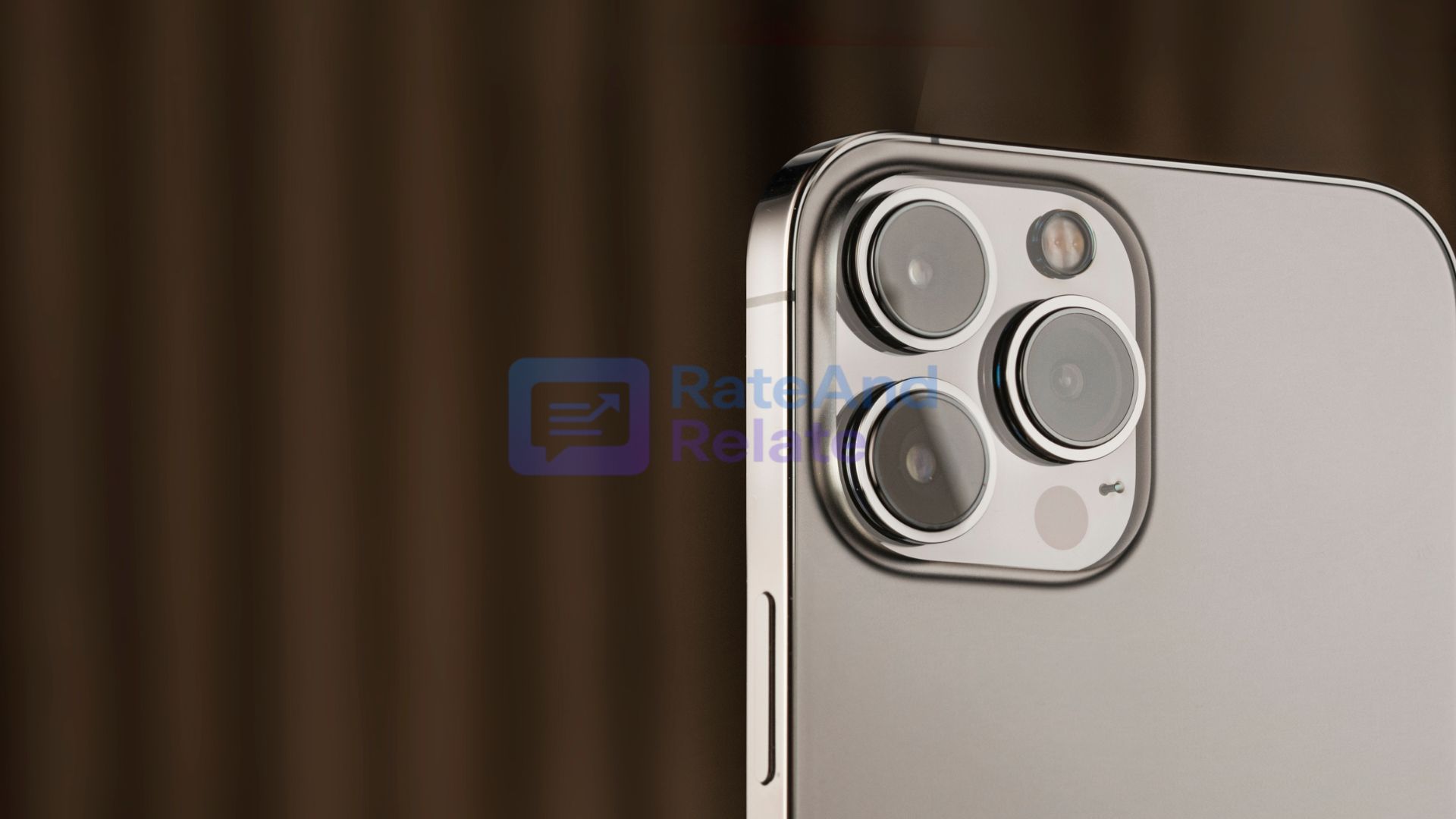
The Oppo K14 comes with a complete in-box package, including a charger and a protective cover—so absolutely no extra accessory purchases are needed. The design feels nicely refreshed, featuring a new back pattern and a slightly more premium-looking camera module with a sleek metallic finish.
Actually, while the overall physical build remains somewhat similar to its predecessor, the absolute biggest improvement here is the durability. The device now features a massive IP69 rating—a huge upgrade from the earlier IP65—offering incredible protection against dust and even high-pressure water jets!
Additionally, it carries an SGS 5-Star certification and MIL-STD-810H military-grade durability, making it far more resistant to daily drops and shocks.
Display: A Noticeable Step Back
One of the biggest changes—and definitely not a positive one—is the display. Unlike the older K13’s beautiful AMOLED panel, the new K14 uses a 6.75-inch LCD screen. In my opinion, this results in significantly less vibrant colors and a comparatively dull viewing experience for media consumption.
However, on the bright side, it does support a smooth 120Hz refresh rate and reaches up to 1125 nits of brightness, ensuring very decent visibility outdoors. The splash touch feature also allows the screen to function perfectly even with wet hands.
Performance: A Surprising Downgrade
Performance is another critical area where the K14 falls completely short. While the previous model featured a snappy Snapdragon processor with very strong benchmark scores, the K14 runs on the MediaTek Dimensity 6300 chipset.
Actually, this specific processor is typically found in much more budget-friendly devices, which naturally delivers significantly lower performance. In my opinion, putting this chip in a ₹19,000 phone is a massive, surprising downgrade for this price segment.
Camera and Audio: Decent, but Reduced
The phone smartly continues with dual speakers for a very good audio experience. On the rear, it features a solid 50MP main camera along with a 2MP monochrome sensor, delivering highly satisfactory daylight shots.
However, the front selfie camera has been painfully reduced from 16MP down to just 8MP, which will definitely disappoint selfie enthusiasts! On the plus side, it does include smart software features like AI Eraser 2.0 for quick photo editing.
Battery and Charging: Bigger Battery, Slower Speeds
The Oppo K14 packs an absolutely massive 7000mAh battery, which is excellent for long, multi-day usage. However, the charging speed has been brutally reduced from 80W down to just 45W. This means it takes significantly longer to hit a full 100% charge (about 92 minutes, according to the company). It also supports reverse charging, which can be highly useful in emergencies.
Final Verdict: Upgrade or Skip?
While the Oppo K14 definitely improves in its physical durability and battery capacity, it takes very clear, undeniable steps back in display quality, raw performance, and charging speed.
If you’re actively considering a purchase in this specific price range, the newer model isn’t always the better model. Actually, the previous K13 may still offer you significantly better overall value and daily performance than the newer K14!