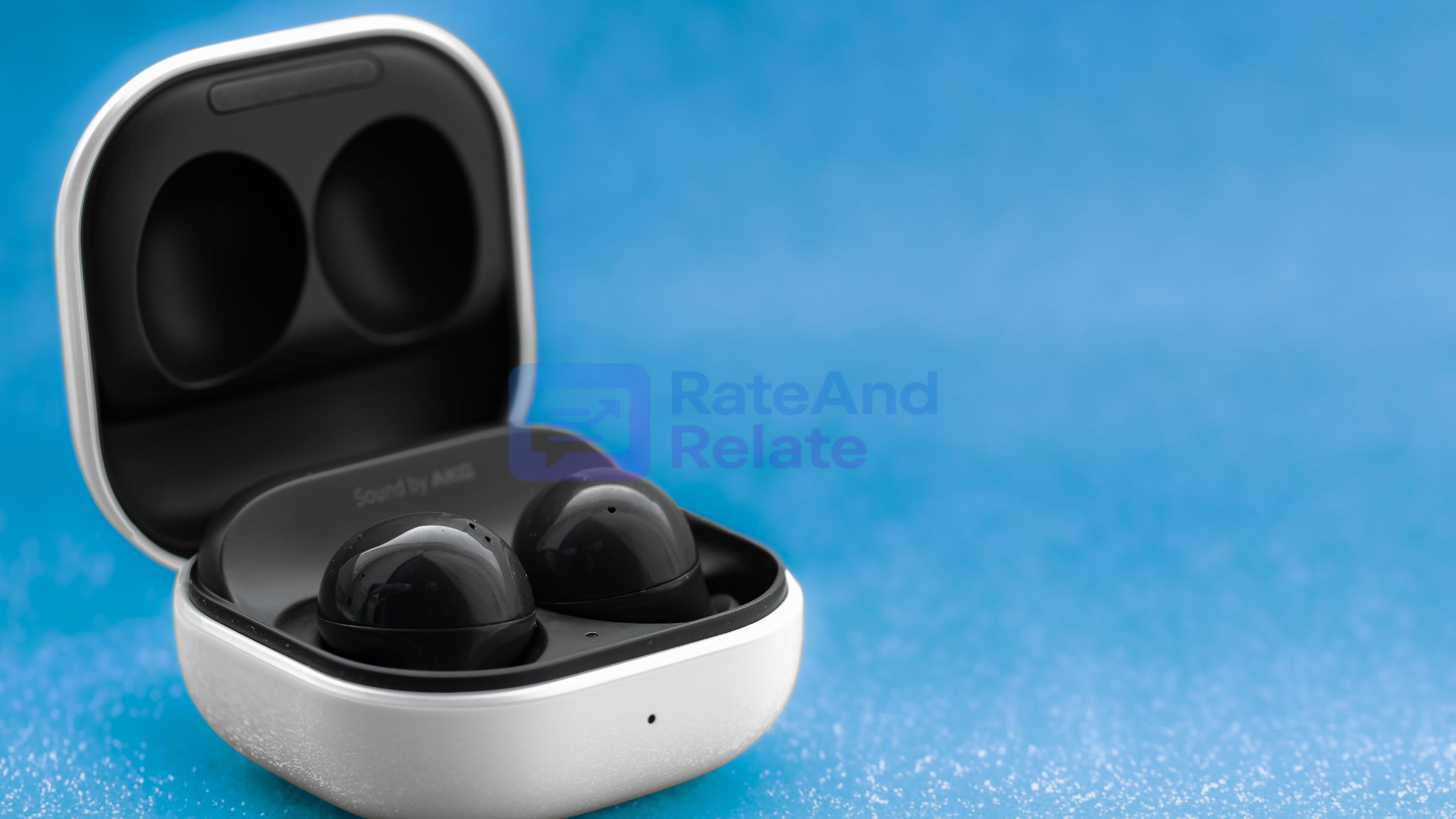

Wireless earbuds completely transformed how we consume music, stream entertainment, and jump on remote calls. However, we are currently transitioning entirely past the era of the simple audio accessory. A highly sophisticated generation of AI-powered hearables is quietly shifting the paradigm of personal computing. Instead of serving as basic speakers for your smartphone, these devices are morphing into intelligent, ambient personal assistants capable of parsing complex live conversations, managing hyper-dense schedules, and delivering contextual data straight to your eardrum.
The glowing smartphone display is steadily losing its absolute monopoly on our attention. In my opinion, the most frictionless way to interact with an artificial intelligence model isn’t through a keyboard or a screen—it is through natural, real-time voice interface. Actually, by moving machine learning models straight to the edge of consumer hardware, audio is becoming the default control layer for our daily lives.
Real-Time Bidirectional Translation Is Completely Rewriting Global Networking
One of the absolute most impressive milestones in this wearable shift is the arrival of continuous, bidirectional live language interpretation. In the past, trying to navigate an international business meeting or travel through a foreign market meant relying on clunky phone apps where you had to awkwardly press a button, speak, wait for processing, and flip the device back and forth.
However, modern setups—like the Google Pixel Buds Pro 2 leveraging advanced pipelines like Gemini 3.5 Live Translate, or the dedicated Timekettle W4 Pro arrays—completely shatter that friction layer. Actually, these platforms allow two people to simply wear an earbud and speak continuously in their native tongues. The system automatically handles language detection, parsing speech accents, and whispering natural-sounding translated audio with a mere 1-to-3 second latency lag. For global software teams and enterprise operations, this turns cross-border communication into an absolute seamless asset rather than an administrative bottleneck.
The Core Productivity Architecture: Scaling Focus While Dropping Screen Time
In my opinion, the real magic of a unified audio assistant is its capacity to shield you from the constant, focus-shattering distractions of your smartphone screen. Pulling your device out of your pocket to check a single message almost always leads to twenty minutes of mindless scrolling.
Smart hearables completely break this loop by acting as an intelligent filtering layer that handles background workflows automatically:
- Context-Aware Notification Summaries: Intelligently reading critical updates, urgent deployment notices, or prioritized calendar alerts aloud while completely filtering out low-value app noise.
- Voice-Driven Task Orchestration: Enabling professionals to schedule high-stakes meetings, write out immediate to-do arrays, and query backend datasets entirely through voice commands while on the move.
- Smart Charging Case Infrastructures: Advanced setups like the Soundcore Liberty 5 Pro Max framework are even embedding independent AI chips and AMOLED touch screens right into the charging case to handle native meeting recordings, transcriptions, and automated summaries without burning phone bandwidth.
Transforming Wearable Health from Reactive Tracking to Proactive Diagnostics
However, these advanced audio setups are expanding far beyond productivity loops; they are invading the health and wellness infrastructure. Traditional fitness tracking has historically been locked to your wrist.
Actually, the ear canal is a far superior environment for capturing pristine biological telemetry. Flagship hardware like the Apple AirPods Pro 3 introduces deep clinical-grade advancements, integrating native in-ear heart rate monitors, localized body temperature sensors, and real-time posture analysis algorithms. By constantly analyzing these biological data streams, your earwear shifts from a reactive step counter into an active tool for preventative health, monitoring ambient noise exposure levels and providing real-time hearing health protections automatically.
The Edge Compute Requirement and the Privacy Perimeter
Because modern AI hearables rely completely on continuous voice tracking and ambient audio collection, data security has understandably become a massive point of consumer hesitation. In my opinion, if your architecture requires uploading every single background conversation straight to a distant public cloud server, you are building an absolute security nightmare for corporate compliance.
However, hardware developers are meeting this challenge head-on by packing powerful Neural Processing Units (NPUs) directly into the earbud silicon. Shifting core speech isolation and data encryption to local on-device hardware guarantees that sensitive conversations remain locked inside your personal perimeter. Actually, the brands that win the wearable race over the next few years won’t just be the ones with the loudest bass—they will be the ones that engineer the most ironclad data authentication and user trust layers.
Final Thoughts
AI earbuds are rapidly evolving from simple listening tools into the primary digital companions that orchestrate our communication, workflow productivity, and daily physical health.
In my opinion, dismissing AI hearables as a minor, niche accessory trend is a severe miscalculation of where human-computer interaction is heading. However, by recognizing that audio is the ultimate low-friction interface and structuring your digital routine around it, you unlock a completely new level of professional focus. Actually, the transformation isn’t a distant milestone waiting on a long-term corporate roadmap—under the hood of modern audio silicon, the ambient computing era is entirely live right now!