
Battery technology has quietly shifted from a minor hardware specification into the absolute backbone of modern industrial innovation. When I look at the staggering infrastructure requirements for electric vehicles, mega-scale data centers, and renewable energy grids in 2026, the picture is blindingly clear.
In my opinion, we have moved entirely past the point where software optimization alone can drive the next leap in technology. Actually, the nation or enterprise that controls the next major breakthrough in energy storage chemistry won’t just dominate the consumer electronics market—they will dictate the terms of global economic power and national security.
The Hard Ceiling: Why Current Lithium-Ion Technology Isn’t Enough
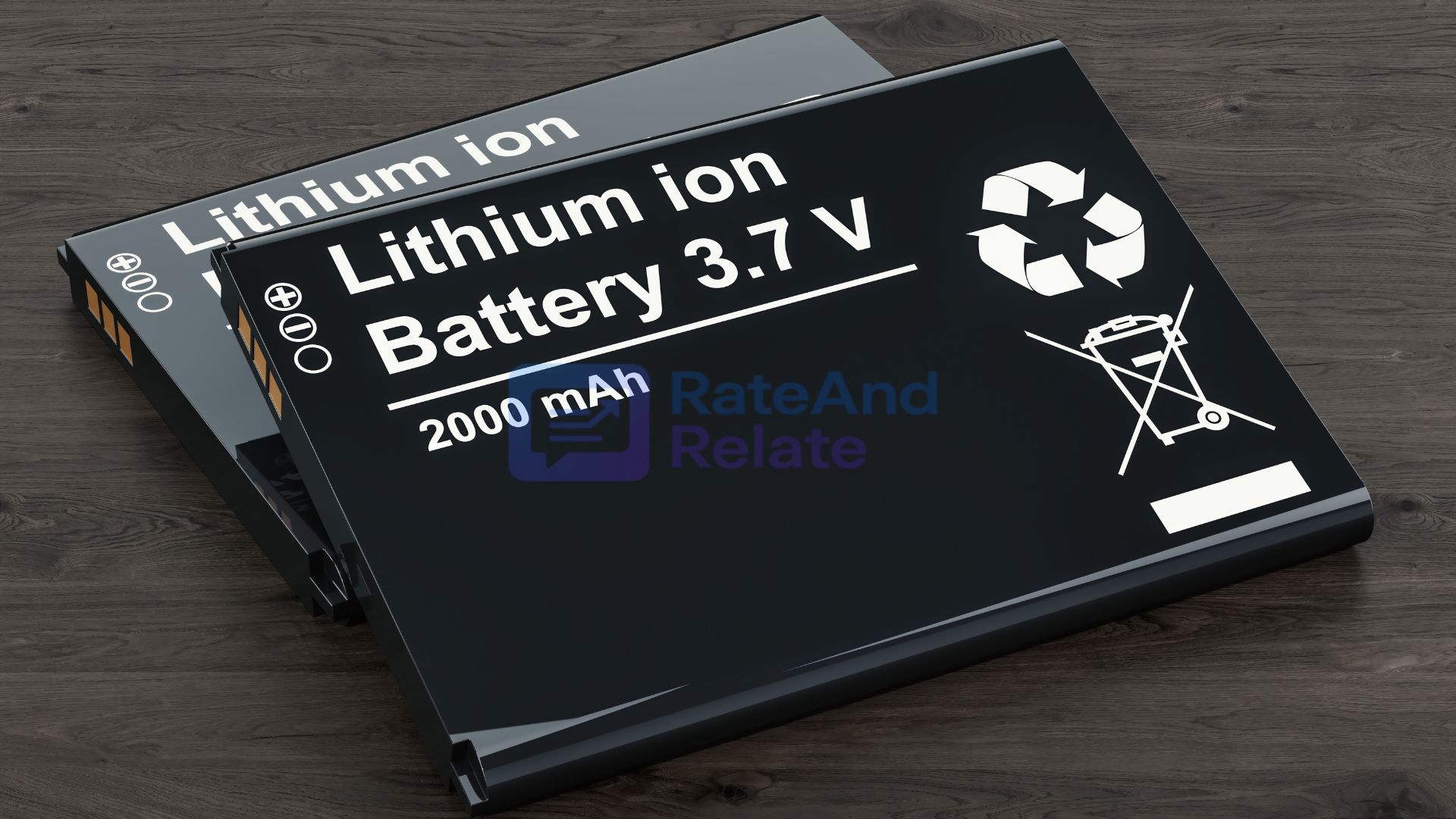
Lithium-ion batteries have carried the digital revolution on their back for decades, providing a reliable balance of cost and energy density for smartphones and early-stage electric mobility. However, when I analyze the scaling demands of heavy transportation and utility grids, it is obvious that legacy lithium-ion chemistry is hitting a definitive physical ceiling.
Charging velocities are still highly restrictive for commercial fleets, long-term degradation limits operational lifespans, and the intense thermal management required to prevent fires adds heavy engineering complexity.
Actually, the real bottleneck isn’t just a technical limit; it’s a structural resource vulnerability. Relying entirely on complex, highly concentrated supply lines for raw cobalt and nickel creates massive geopolitical liabilities that leave industries exposed to sudden export restrictions or regional lockouts.
The Next-Generation Contenders Redefining Storage
Researchers are aggressively moving beyond classic liquid-electrolyte frameworks to fund three distinct chemical pathways, each bringing unique operational advantages to the table:
- Solid-State Batteries: By replacing volatile liquid electrolytes with dense solid materials, this framework promises near-instant charging speeds and exceptional thermal safety. However, manufacturing these architectures at a true commercial scale without micro-fractures remains an incredibly steep engineering challenge.
- Sodium-Ion Batteries: Sourcing lithium is expensive and geopolitically messy. Actually, sodium-ion tech is emerging as the ultimate dark horse for stationary grid storage. Because sodium is universally abundant and cheap, it serves as an incredibly cost-effective asset for applications where weight isn’t the primary constraint.
- Lithium-Sulfur Batteries: This chemistry offers an exceptionally high theoretical energy capacity while completely cutting out the need for expensive, hard-to-source transition metals.
The Geopolitical Chessboard of Silicon and Power Grids
In my opinion, the multi-billion-dollar state subsidies we are witnessing across the globe aren’t simply about hitting arbitrary carbon-neutral targets. They are aggressive national security mandates designed to build absolute energy independence.
China continues to leverage its massive manufacturing footprint and dominance over raw processing channels. However, the United States and European nations are rapidly fighting back, pouring historic capital into domestic production facilities, domestic mineral exploration, and cross-border research partnerships.
The Real Stakes: Electric Vehicles and Grid Survival
The automotive sector is rushing to commercialize these new architectures because a quantum leap in battery performance instantly obliterates consumer range anxiety and slashes vehicle costs.
However, the stakes are arguably even higher for the utility grid. Renewable energy sources like solar and wind are fundamentally intermittent and fragile. Without ultra-affordable, massive utility-scale battery storage arrays to catch excess power and deploy it during peak demand intervals, a clean energy grid remains a structural impossibility.
The Road Ahead
We are currently standing at a definitive technological crossroads. While classic lithium-ion frameworks will continue to handle short-term consumer electronics, the next ten years belong entirely to advanced edge chemistries.
In my opinion, treating energy storage as a generic hardware line item on a corporate or national roadmap is a fatal miscalculation. However, by matching raw manufacturing capacity with deep investments in alternative chemistries and recycling loops, forward-thinking operators turn hardware independence into their ultimate competitive weapon. Actually, the future isn’t just being written in code—it is being forged in physical labs and powered by the next generation of battery innovation!