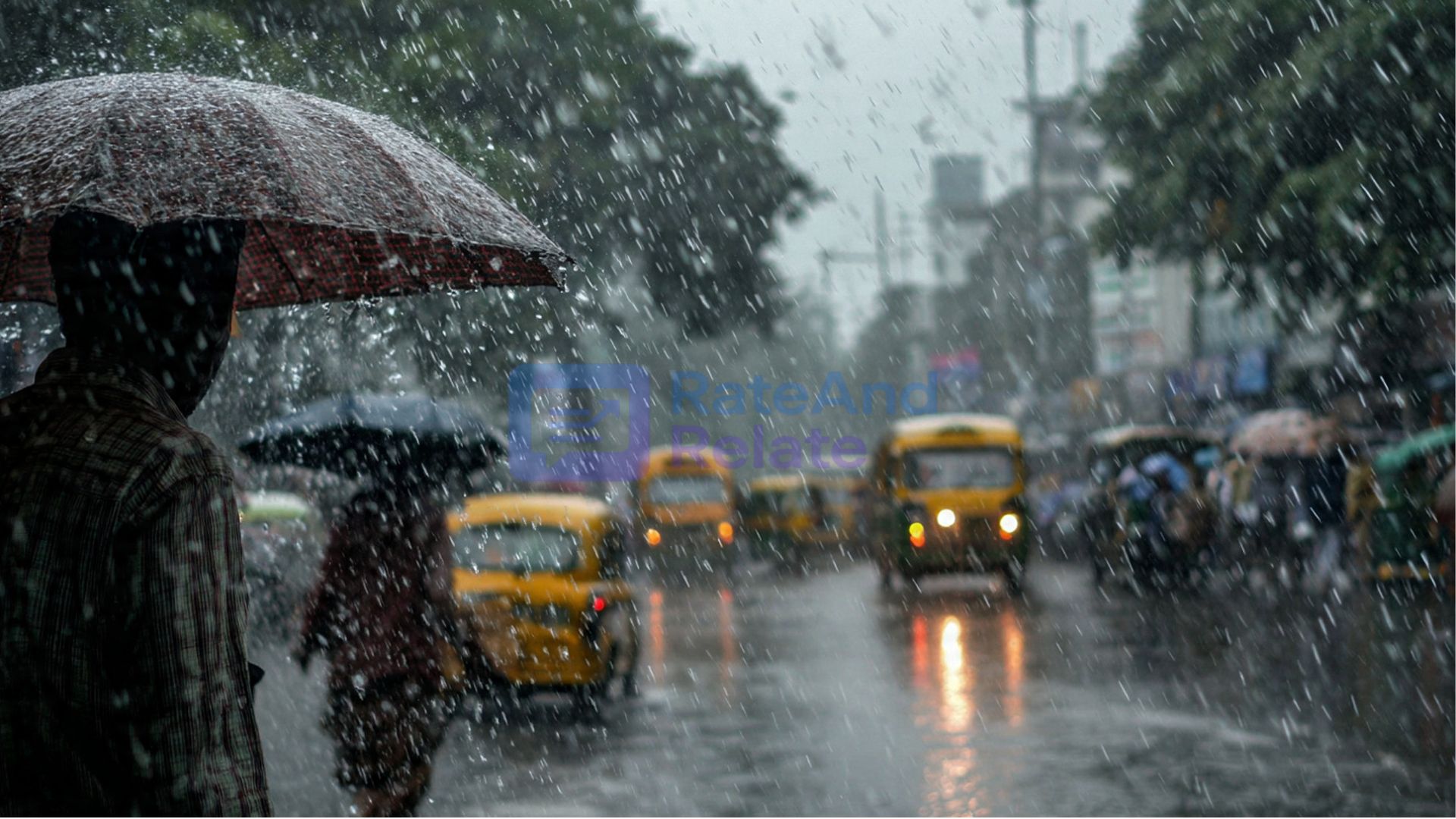

India’s economic machinery has long been tied to the rhythm of the monsoon. While the country has diversified massively over the last few decades, millions of livelihoods and a huge chunk of rural consumption still hinge on seasonal rains. However, in my opinion, whenever forecasts point to a below-average monsoon, people often jump straight to panic rather than looking at the broader picture.
When weak rainfall predictions make headlines, economists, investors, and policymakers take a closer look because the ripple effects are real. Actually, while improved irrigation and modernized farming have cushioned the blow, the monsoon remains a make-or-break variable for agricultural yields, food inflation, and rural buying power.
Here is my breakdown of how a weak monsoon impacts the economy and why the reality is more nuanced than most headlines suggest.
Why the Monsoon Matters More Than People Realize
Despite all our technological progress, nearly half of India’s cultivated land still relies strictly on rain rather than artificial irrigation. A healthy monsoon recharges depleted reservoirs, waters seasonal crops, and maintains the water table for drinking and industrial use.
When rainfall falls below normal, I frequently see farmers forced to grapple with a compound set of challenges:
- Reduced Crop Yields: Inadequate water during key germination stages cuts overall output.
- Delayed Sowing Cycles: Uncertainty pushes planting schedules out, risking crop damage.
- Escalating Costs: Farmers end up spending significantly more on pumping groundwater.
- Eroded Farm Incomes: Lower yields combined with higher input costs squeeze profit margins.
These operational hurdles quickly spill out of the fields and impact the broader urban and corporate economy.
The Agricultural Ripple Effect
In my observation, the agricultural sector is always the first domino to fall when rainfall falls short.
Crucial staple and cash crops—including rice, pulses, sugarcane, cotton, soybean, and oilseeds—require steady moisture levels during early growth phases. When rain drops below optimal levels, total harvest volumes drop across regions.
A decline in farm output doesn’t just hurt the farmer; it chokes food-processing supply chains, impacts commodity exports, and places immense pressure on agritech and logistics firms dependent on steady crop flow.
The Immediate Threat: Food Inflation
In my opinion, the most direct way an urban household feels a bad monsoon is at the local vegetable market.
When farm output drops, retail prices for daily staples like pulses, onions, and key cereals tend to surge. Food inflation places a direct strain on middle- and lower-income family budgets, forcing them to trim discretionary spending.
Actually, persistent food inflation also ties the hands of the Reserve Bank of India (RBI). When food prices spike, central bankers often have to hold interest rates higher for longer to tame inflation, which can slow down lending and broader corporate expansion.
Pressure on Rural Demand: Why Corporate India Cares
Rural India isn’t just an agricultural zone—it’s a massive consumer engine for automobiles, fast-moving consumer goods (FMCG), fertilizers, and financial services.
When farm profits shrink, rural households tighten their belts. I’ve noticed this dynamic usually drags down performance across several key industries:
- Automotive: Slower sales for two-wheelers, tractors, and entry-level cars.
- FMCG & Retail: Reduced demand for daily consumer packs and household goods.
- Durables: Delayed purchases of home appliances and electronics.
- Rural Finance: Slower credit growth and higher stress on micro-loans.
Smart companies with heavy rural footprint keep a hawk eye on rainfall reports before setting their annual revenue guidance.
Water Supply, Power Generation, and Heavy Industry
It isn’t just fields that suffer from missing rains; industrial supply chains take a hit too. Below-average monsoon seasons leave reservoirs depleted, directly restricting water supplies for hydroelectric power plants and heavy manufacturing.
Water-intensive sectors—such as textiles, food processing, chemicals, and power generation—often see their operating costs jump if water shortages drag on. In extreme cases, urban municipalities are forced to ration water, creating operational friction for commercial businesses.
How Government Policy Moderates the Damage
Whenever a dry spell looms, the government rolls out a sequence of emergency interventions.
I usually track a few critical policy moves during these periods:
- Irrigation Priority: Redirecting canal water and power allocations to drought-prone zones.
- Direct Financial Aid: Expanding crop insurance payouts and targeted farmer assistance.
- Import Strategy: Lowering duties on essential food imports (like pulses or edible oils) to suppress retail price spikes.
- Stock Monitoring: Cracking down on hoarding to ensure steady domestic food distribution.
These proactive measures help cushion the blow, preventing localized dry spells from turning into full-scale supply chain collapses.
Why Today’s Economy Is Far More Resilient
However, I don’t believe a below-average monsoon forecast automatically guarantees an economic downturn. India’s macroeconomic structure is far more resilient today than it was two decades ago.
| Factor | What Has Changed | Economic Impact |
|---|---|---|
| Irrigation Infrastructure | Expanded canal networks, drip irrigation, and solar pumps | Less total dependence on direct monsoon showers |
| Advanced Forecasting | Precision meteorological modeling and early warnings | Allows farmers to shift sowing schedules or crop varieties early |
| Crop Insurance Cover | PMFBY and digital claim payouts | Financial backstop for farmers against severe weather events |
| Economic Diversification | Expansion of Tech, Services, Fintech, and Manufacturing | Agriculture’s direct contribution to overall GDP has diminished |
While agriculture remains critical, sectors like IT, pharmaceuticals, software, digital payments, and services operate largely independent of monsoon outcomes, keeping the wider economy moving forward.
Industries Most vs. Least Exposed
If you are looking at this from an investment or business perspective, here is how I separate the vulnerable sectors from the resilient ones:
- High Vulnerability: Agriculture, Fertilizers, Tractor/Farm Equipment, FMCG, Sugar, and Textiles.
- Low Vulnerability: IT Services, Software/SaaS, Fintech, Pharmaceuticals, Telecommunications, and Digital Commerce.
Early Warning, Not Economic Disaster
At the end of the day, a below-average monsoon forecast should be viewed as an early warning system rather than a guarantee of economic stagnation.
Actually, weather patterns are becoming increasingly volatile globally, making climate-resilient farming, water management, and real-time data integration essential long-term investments.
While agricultural pockets will feel the pinch of lower rainfall, India’s broader economy—backed by better infrastructure, strong services, and quick policy responses—has built up real muscle to withstand these weather shocks. For business owners and investors, tracking rainfall data remains vital, but keeping a balanced perspective is what yields smart decisions.