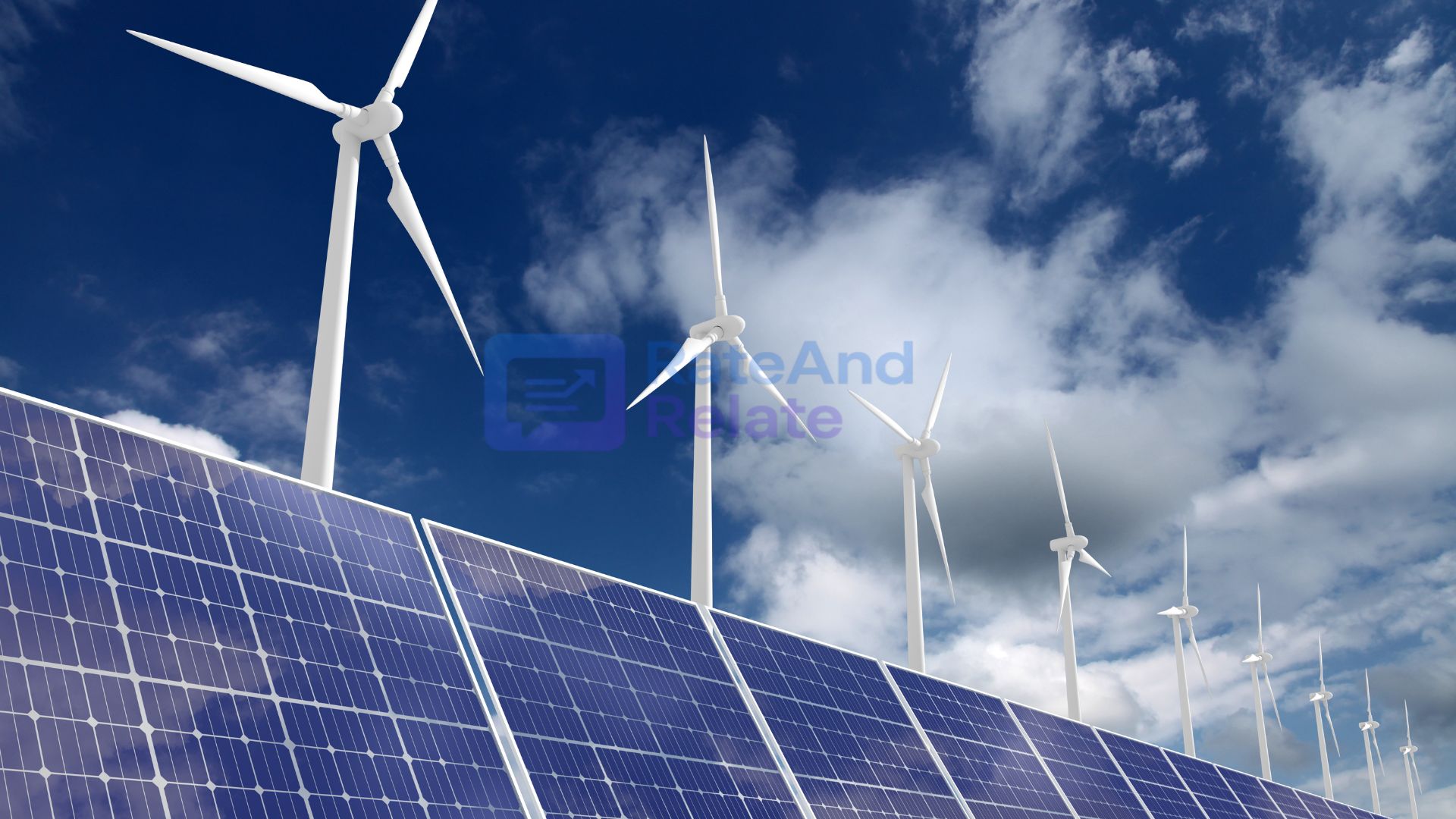

India is taking a giant leap in renewable energy as part of its climate commitments under COP28, announcing an ambitious target of 700 GW of renewable capacity by 2030. This bold plan focuses on solar, wind, and green hydrogen, reflecting India’s dual aim: sustainable growth and energy security.
Renewable Energy Targets: Solar, Wind, and Green Hydrogen
The revised target emphasizes:
- Solar Power Expansion:
Solar energy continues to be the backbone of India’s renewable strategy, with utility-scale solar parks, rooftop solar, and decentralized solar solutions. - Wind Energy Growth:
Offshore and onshore wind projects are set to expand, especially in coastal states, to maximize energy generation potential. - Green Hydrogen Adoption:
India is actively promoting green hydrogen production as a clean fuel alternative for industry and transportation, positioning itself as a global player in hydrogen energy.
By combining these sources, India aims to decarbonize its energy sector while reducing dependence on fossil fuels.
Alignment with Global Climate Commitments
India’s 700 GW renewable target aligns with its COP28 pledges to combat climate change and achieve net-zero emissions in the long term. It demonstrates India’s commitment to:
- Reduce carbon intensity across industries and power generation.
- Promote sustainable economic growth without compromising environmental goals.
- Lead in green technology adoption, including hydrogen, battery storage, and electric mobility.
Economic and Social Implications
- Job Creation: Renewable energy expansion is expected to generate millions of green jobs, from solar panel manufacturing to wind turbine installation.
- Energy Security: Diversifying energy sources reduces reliance on imported fossil fuels, enhancing strategic independence.
- Technological Innovation: Boosting research and development in green hydrogen, energy storage, and smart grids.
- Local Development: Large-scale renewable projects can stimulate rural and semi-urban economies through infrastructure, manufacturing, and maintenance opportunities.
Challenges Ahead
Despite the ambitious plan, India faces several challenges:
- Grid Integration: Managing intermittent renewable sources requires robust grid management and storage solutions.
- Financing & Investment: Massive investments are needed from public and private sectors to achieve 700 GW.
- Policy Implementation: Coordinated policy support across states and ministries is critical to accelerate project approvals and execution.
- Technology Scaling: Green hydrogen production and storage at scale require significant technological advancement.
India’s renewable energy push is a game-changer for climate action and sustainable development. By targeting 700 GW by 2030, focusing on solar, wind, and green hydrogen, India is not only fulfilling its global climate commitments but also paving the way for economic growth, energy security, and environmental stewardship.
With the right investment, policy coordination, and technological innovation, India’s green energy vision can serve as a model for developing nations striving for a sustainable future.