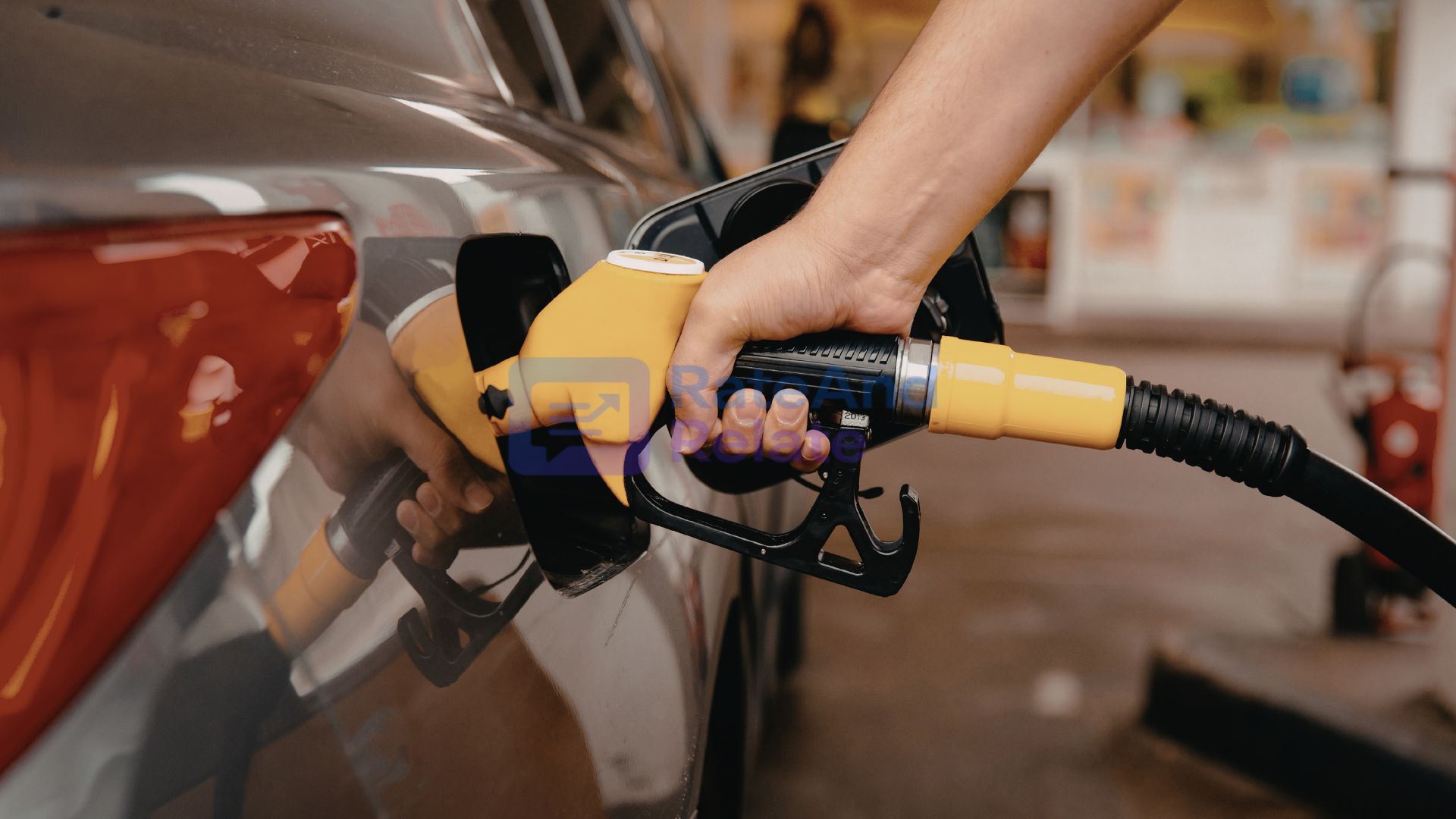

Petrol prices in India may appear stable right now, but the reality underneath tells a different story. If you are a student, working professional, or managing daily expenses in a city, you may already be feeling the impact—not directly at the petrol pump, but through rising overall costs.
Actually, what we are seeing today is a controlled stability while global pressures continue to build in the background.
The Global Crisis Behind the Scenes
The primary reason for this situation is the ongoing geopolitical tension involving Iran, Israel, and the United States.
A major oil supply route, the Strait of Hormuz, carries a significant portion of the world’s crude oil. However, due to rising conflict risks, global markets are reacting with uncertainty and price increases.
In my view, many people overlook this connection. A disruption far away may seem irrelevant, but it directly affects fuel pricing in India.
Why India Feels It More Than Others
India imports nearly 85% of its crude oil, which makes it highly vulnerable to global price changes.
I believe this creates a clear chain reaction:
- Global tensions increase oil prices
- Import costs rise significantly
- Oil companies face financial pressure
- Petrol prices eventually increase
However, this increase is often delayed, which creates the illusion of stability.
Why Prices Appear Stable for Now
You might wonder why petrol prices have not increased sharply despite global developments.
In my opinion, there are several underlying reasons:
Weak Rupee Impact
Oil is traded in US dollars. When the Indian rupee weakens, the cost of imports rises even if crude prices remain unchanged.
High Tax Structure
A large share of petrol prices comes from central and state taxes. However, these taxes do not adjust quickly, keeping prices relatively high.
Oil Companies Absorbing Costs
At present, oil companies are managing financial pressure by absorbing some of the cost increases. Actually, this is only a temporary measure and cannot continue indefinitely.
The Real Impact on Daily Life
Even if petrol prices seem unchanged, the effects are already visible in everyday expenses.
From my observation:
- Food prices increase due to higher transportation costs
- Rent and PG expenses gradually rise
- Delivery charges become more expensive
- Local travel costs begin to increase
So, even those who do not directly purchase fuel are still affected indirectly.
What Could Happen Next
In my view, the current situation may not remain stable for long. If global tensions continue or oil prices increase further:
- Petrol prices may rise suddenly
- Inflation across sectors could increase
- Household budgets may come under more pressure
However, the exact timing will depend on global developments and government intervention.
My Final Take
Honestly, I think petrol prices in India are currently stable only on the surface, while underlying volatility continues to grow. The system is being managed carefully, but this stability is likely temporary.
In my opinion, it is important to prepare for indirect cost increases rather than relying on current fuel prices.
Conclusion
The petrol price situation in India is no longer just about fuel costs. It reflects a broader global impact on personal finances. From international conflicts to currency fluctuations, multiple factors are shaping everyday expenses.
However, by understanding these connections, individuals can plan better and manage rising costs more effectively.