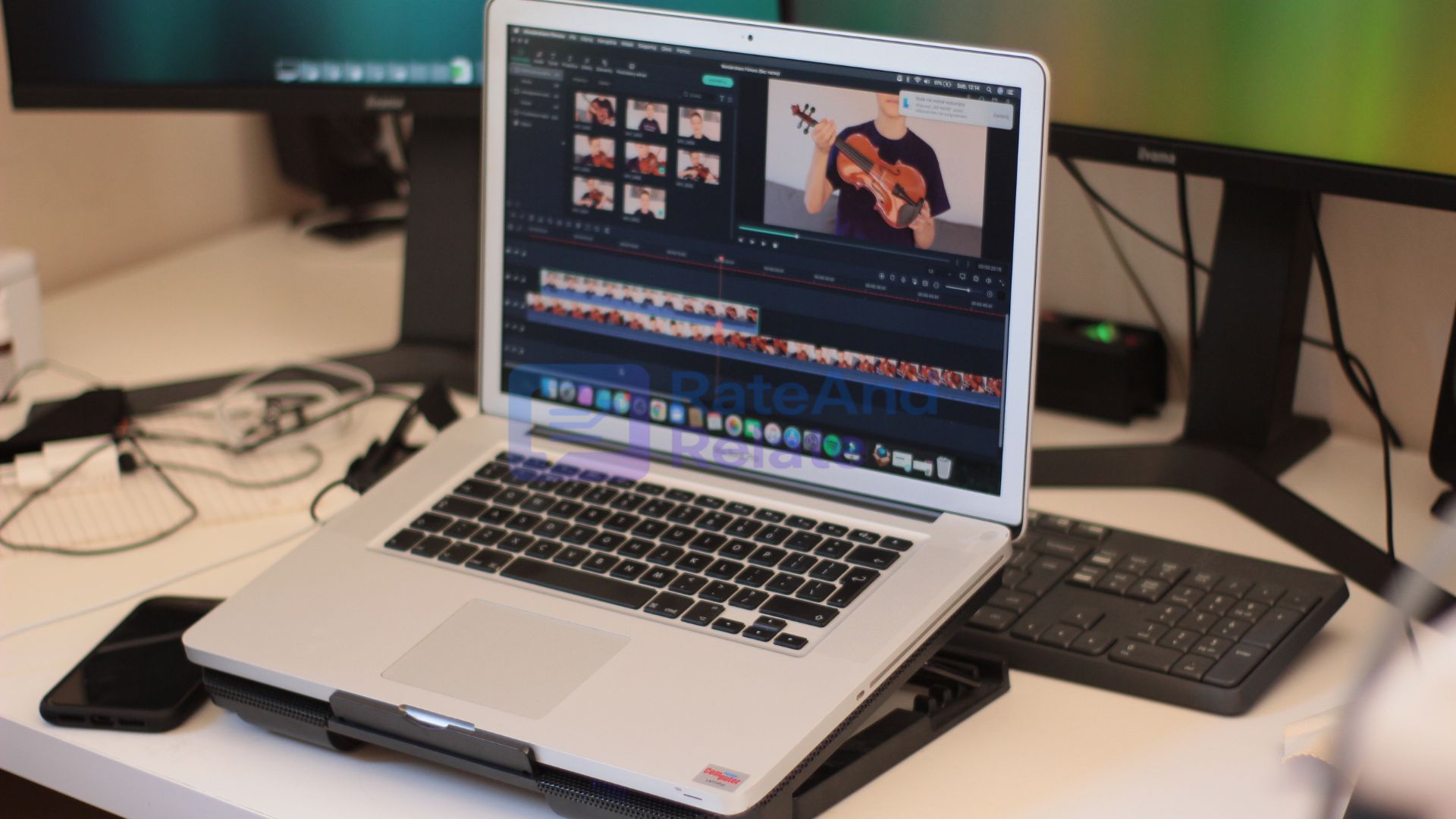

Artificial intelligence has already transformed how businesses write copy, design visual assets, and analyze data. However, the most explosive shift in modern digital strategy is happening in motion picture production.
AI video generation is fundamentally redefining content creation by making high-end production infinitely faster, more accessible, and remarkably affordable. What once required thousands of dollars in camera rigs, studio lighting, dedicated actors, and lengthy post-production editing can now be executed through advanced diffusion models synthesizing photorealistic footage directly from text prompts, reference images, or script outlines.
When I evaluate how digital attention is captured today, one thing is clear: the bottleneck is no longer budget—it is visual velocity. In my opinion, we have entered an era where content creation is no longer defined by your hardware, but by the strength of your ideas.
The Evolution: From Stock Libraries to Synthetic Generation
Video remains the single most powerful format on the internet for driving engagement across social media, landing pages, and ad networks. However, legacy video creation was painfully slow and resource-intensive.
Early automation tools simply stitched together generic, overused stock footage. Actually, the current generation of generative engines—like Google Veo, Kling, Runway, and HeyGen—synthesizes every single frame from scratch with precise camera movements, physics-aware lighting, and even native synchronized audio.
Today’s AI video workflows streamline tasks that used to eat up weeks of labor:
- Script-to-Video Synthesis: Turning written concepts into complete storyboarded sequences.
- Character and Style Consistency: Maintaining identical faces, wardrobes, and lighting setups across multiple consecutive shots.
- Avatar-Based Presentations: Generating hyper-realistic AI presenters that deliver scripts in dozens of languages with frame-accurate lip sync.
- Automated Post-Production: Handling auto-captioning, audio cleanup, dynamic framing for 9:16 vertical shorts, and color grading in seconds.
Lowering Barriers: Democratizing High-End Media
Small businesses and independent creators have historically struggled to compete with enterprise brands that command multi-million-dollar video budgets.
In my opinion, AI video generation is the ultimate equalizer for small-business marketing. Independent brands can now produce cinematic product reveals, explainer tutorials, training modules, and high-converting social ads without hiring an external production agency.
Instead of spending an entire month’s budget on a single 30-second commercial, marketing teams can deploy dozens of video variations to test different hooks, visuals, and calls to action simultaneously.
Velocity and Scale: Content for a High-Speed Market
Internet trends disappear as quickly as they emerge. If your production loop takes three weeks, your campaign is already irrelevant by the time it launches.
Actually, AI video generation shifts marketing teams from a reactive stance to real-time execution. Teams can effortlessly:
- Launch multi-platform campaigns instantly, reformatting landscape footage into 9:16 vertical videos for TikTok, Instagram Reels, and YouTube Shorts.
- Localize video content global-wide by redubbing voiceovers and re-aligning lip movements to match native languages across international markets.
- Hyper-personalize customer touchpoints, sending customized video onboarding paths or personalized product recommendations directly to specific buyer segments.
Taste Over Tools: Why Human Creativity Still Rules
There is a common anxiety that synthetic media will render human creators obsolete. In my opinion, that fear stems from a complete misunderstanding of what makes video content resonate.
Actually, AI removes technical friction, not the need for creative taste. The initial novelty of purely AI-generated visuals has completely worn off; audiences spot low-effort, soul-less synthetic content instantly.
The creators who win in this new environment do not rely on AI to think for them. They use AI as an tireless production assistant—letting algorithms handle frame synthesis, rendering, and formatting while humans maintain absolute direction over emotional storytelling, script pacing, brand identity, and narrative nuance.
Ethics, Transparency, and Brand Security
As synthetic footage becomes indistinguishable from real-world camera recording, enterprise organizations must navigate new operational responsibilities.
However, scaling AI video without strict brand governance is a recipe for reputation risk. Responsible organizations must prioritize:
- Clear Synthetic Disclosures: Transparently labeling AI-generated presenters or simulations to maintain long-term consumer trust.
- Copyright & IP Compliance: Ensuring training data rights and commercial usage protections are locked down before running paid campaigns.
- Data Security: Protecting proprietary brand assets, employee likenesses, and customer records from unauthorized generation models.
Final Thoughts
AI video generation is no longer an experimental gimmick reserved for tech enthusiasts—it has become a core requirement for high-velocity digital growth. By pairing automated generation with authentic human strategy, businesses of any size can capture audience attention and scale their visual brand across every channel.
In my opinion, assuming that traditional, heavy video production is the only way to build brand authority is an outdated position. However, jumping blindly into AI generation without a clear story or human voice will only yield generic noise. Actually, the future belongs entirely to the agile creators who use AI to eliminate production drag while doubling down on storytelling, authenticity, and audience connection!