The 2026 FIFA World Cup is set to redefine the scale and economics of global football. With an expanded format, unprecedented prize money, and the introduction of a new FIFA Peace Prize, the tournament is already generating intense debate well before the first match is played. While the financial growth reflects football’s expanding global reach, the surrounding controversies highlight the increasingly complex intersection of sport, politics, and power.
A Bigger Tournament with Bigger Money
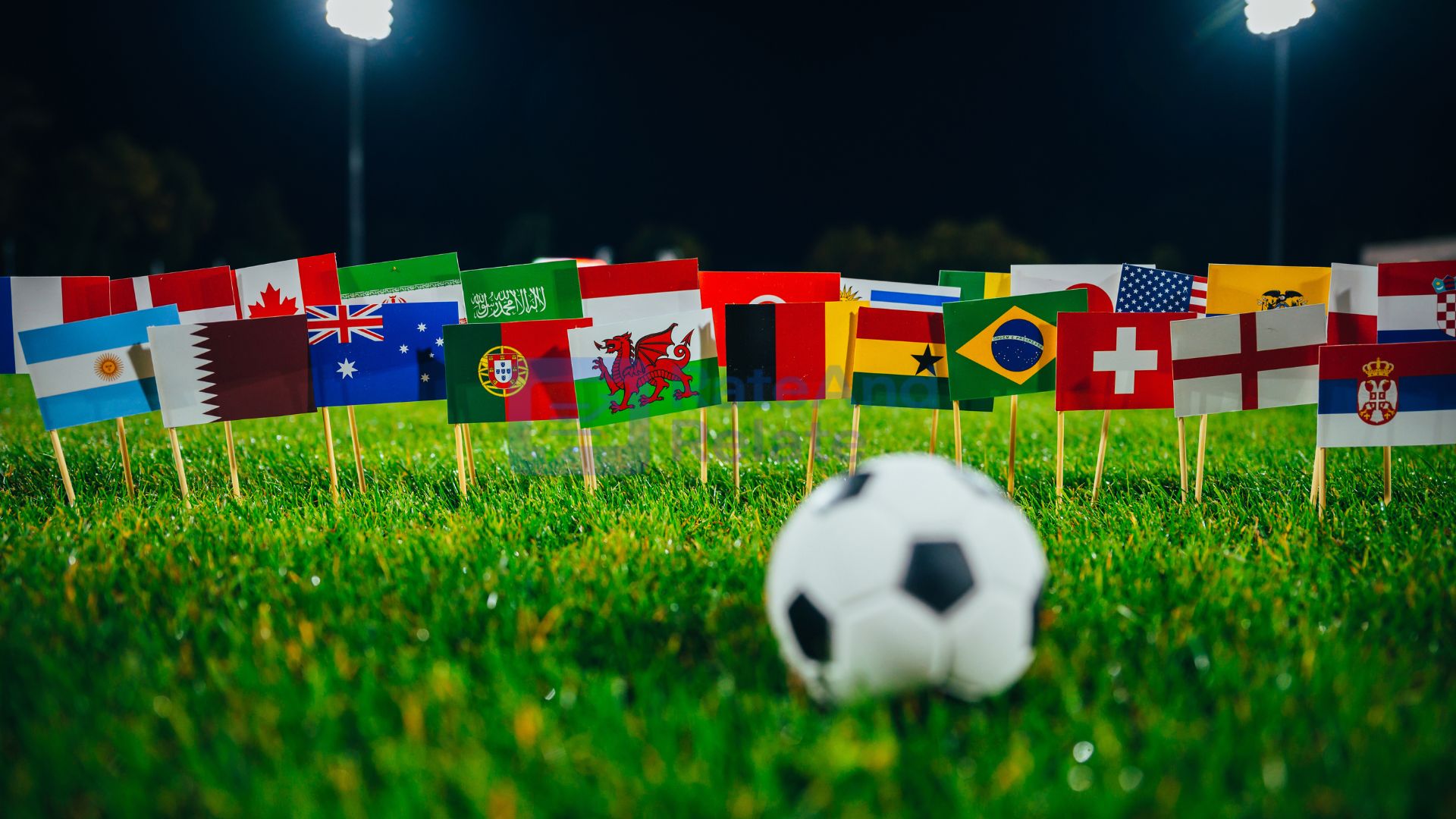
The 2026 edition will be the largest World Cup in history, featuring 48 teams instead of the traditional 32. This expansion has significantly boosted FIFA’s commercial revenues through broadcasting rights, sponsorships, and ticket sales across multiple host nations.
In line with this growth, FIFA has announced a record-breaking prize pool. Participating nations will receive substantially higher payouts than in previous tournaments, with even group-stage exits guaranteed sizable compensation. The winning team is expected to earn the highest prize money ever awarded in World Cup history.
Supporters of this move argue that it strengthens football development, particularly for smaller and emerging football nations that rely heavily on World Cup earnings to fund grassroots programs. The expanded payouts also reduce the financial gap between elite teams and lower-ranked qualifiers.
Concerns Over Commercialisation
Despite the financial optimism, critics warn that the focus on revenue risks overshadowing sporting integrity. An expanded tournament raises questions about fixture congestion, player fatigue, and a possible dilution of competitive quality. Some football purists argue that increasing prize money further entrenches inequalities, as wealthier football associations are better equipped to capitalize on these funds.
The financial scale of the 2026 World Cup has also intensified scrutiny over how FIFA balances profit with responsibility, especially in a period when football governance faces growing public skepticism.
The FIFA Peace Prize and the Backlash
Adding to the debate is the introduction of the FIFA Peace Prize, an award designed to recognize individuals who have contributed to global peace and unity. While the idea aligns with football’s long-standing claim of being a unifying force, the choice of the first recipient has sparked widespread controversy.
Critics argue that awarding a peace-related honor to a political figure blurs the line between sport and geopolitics. Questions have been raised about the selection process, transparency, and whether FIFA should involve itself in political recognition at all. Human rights groups and sections of the football community fear that such awards risk damaging FIFA’s credibility and neutrality.
Football, Politics, and Global Influence
The controversy reflects a broader reality: modern football no longer exists in isolation from global politics. Mega-events like the World Cup are platforms of soft power, capable of shaping narratives far beyond sport. Decisions made by governing bodies now carry diplomatic and ethical implications alongside sporting ones.
For FIFA, this creates a delicate balancing act. Promoting football as a force for peace while maintaining political neutrality is increasingly difficult in a polarized world.
Conclusion
The 2026 FIFA World Cup represents both opportunity and challenge. Record prize money highlights football’s immense global appeal and financial strength, while the Peace Prize controversy exposes the risks of overstepping into political territory.
As the tournament approaches, the focus will not only be on goals, teams, and trophies, but also on how FIFA manages its growing influence. The success of the 2026 World Cup may ultimately be judged not just by its scale, but by whether football can expand responsibly without losing its credibility or core values.