
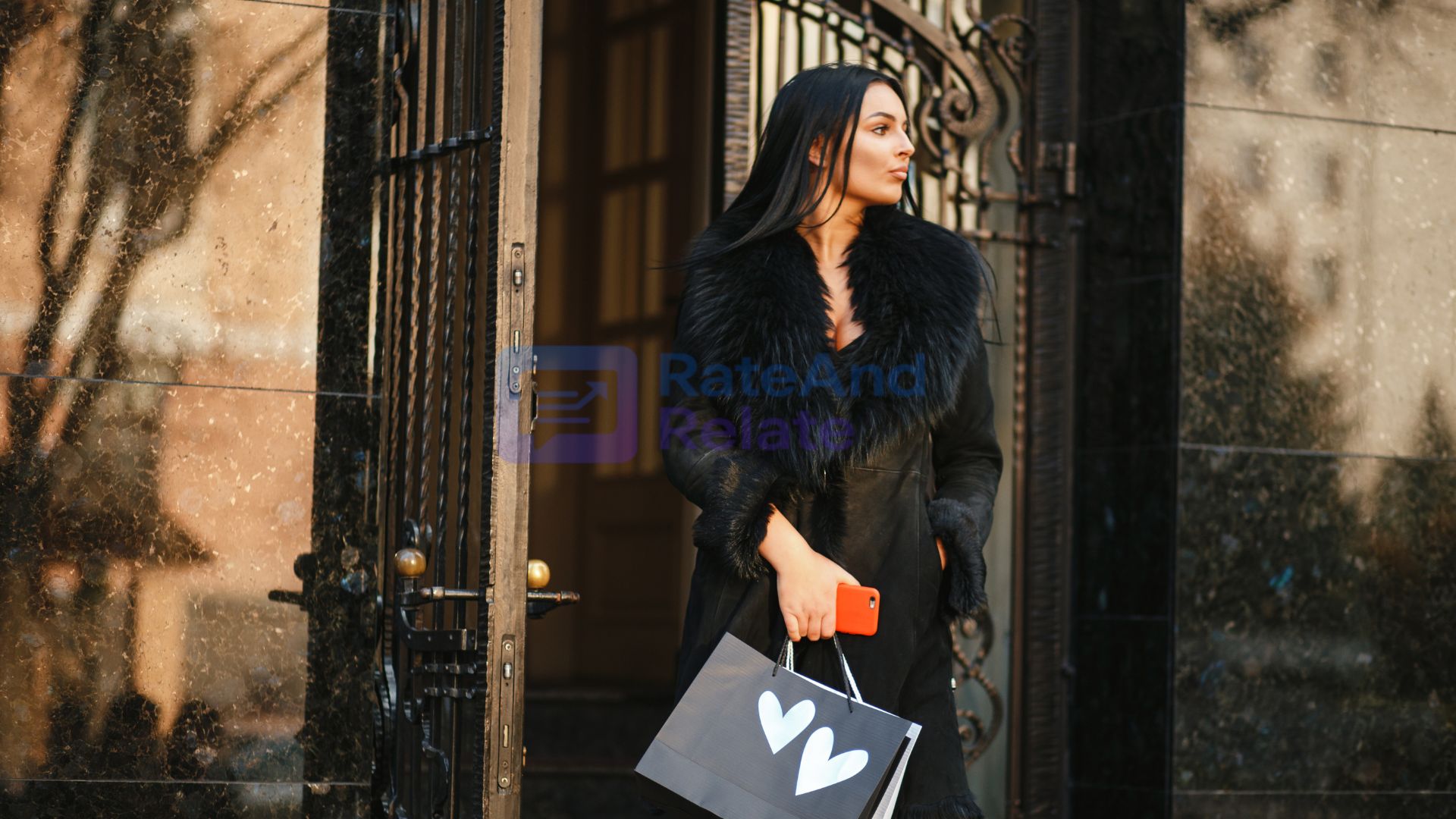
Luxury brands are not just selling products—they are selling aspirations, status, and emotions. Whether it’s a Rolex watch, a Chanel handbag, or a Ferrari sports car, the price tag is often far higher than the actual production cost. Yet consumers line up, sometimes for months, to own these items. The question is: why are people willing to pay more for perceived value?
The answer lies in the psychology behind luxury branding—a carefully crafted combination of perception, emotion, exclusivity, and storytelling.
1. Perceived Value Over Actual Cost
In luxury branding, perceived value often outweighs actual value. Consumers are paying not just for materials or craftsmanship, but for:
- Status signaling: Owning a luxury item communicates wealth, taste, and social standing.
- Emotional satisfaction: Luxury goods often evoke feelings of pride, joy, or accomplishment.
- Trust in quality: High prices suggest superior craftsmanship, durability, and longevity.
Essentially, the higher the perceived value, the more consumers rationalize the higher price.
2. Scarcity Creates Desire
Luxury brands often limit availability—through limited editions, exclusive collections, or long waiting lists. Scarcity taps into a deep psychological trigger:
- Fear of missing out (FOMO): People want what they can’t easily have.
- Exclusivity and identity: Limited access makes owning a product a symbol of uniqueness and social distinction.
Rolex, Hermès, and Ferrari are prime examples where scarcity drives demand, not just supply.
3. Storytelling & Heritage
Luxury brands are masters of narrative and heritage. They don’t just sell a bag, a watch, or a car—they sell a story:
- Legacy and craftsmanship: Brands like Louis Vuitton and Rolex emphasize decades of heritage and precision.
- Emotional resonance: Consumers buy into a lifestyle, a dream, or a cultural symbol.
- Cultural relevance: Limited-edition collaborations and partnerships amplify desirability.
This storytelling transforms ordinary products into symbols of aspiration.
4. Price as a Signal of Quality
Humans are wired to associate price with quality. A higher price often subconsciously suggests:
- Better materials
- Expert craftsmanship
- Superior design and innovation
Luxury brands leverage this perception: even if a handbag or watch could theoretically be produced at a fraction of the price, its high cost reinforces its premium status in the consumer’s mind.
5. Social Proof and Peer Influence
Luxury products often function as social signals. Consumers are influenced by:
- Celebrities and influencers endorsing products
- Peer behavior and societal trends
- Media showcasing luxury lifestyles
Owning luxury items becomes a statement: not only about wealth, but about taste, sophistication, and belonging to an elite circle.
6. The Experience Matters
Luxury branding is as much about experience as the product:
- Personalized shopping and concierge services
- Exclusive events, previews, or brand clubs
- Packaging, presentation, and unboxing rituals
The premium experience reinforces the perception of value, making consumers willing to pay more for the holistic brand engagement.
Luxury Is Psychological, Not Just Material
At its core, luxury branding taps into human psychology. People pay more not merely for a product, but for:
- Identity and status
- Emotional gratification
- Belonging to an exclusive community
- Confidence in quality and heritage
Brands that master these psychological triggers—through storytelling, scarcity, and experiential marketing—command loyal customers and enduring prestige.
In luxury markets, value is what you perceive it to be, and perception, carefully crafted, becomes a powerful driver of price and demand.

