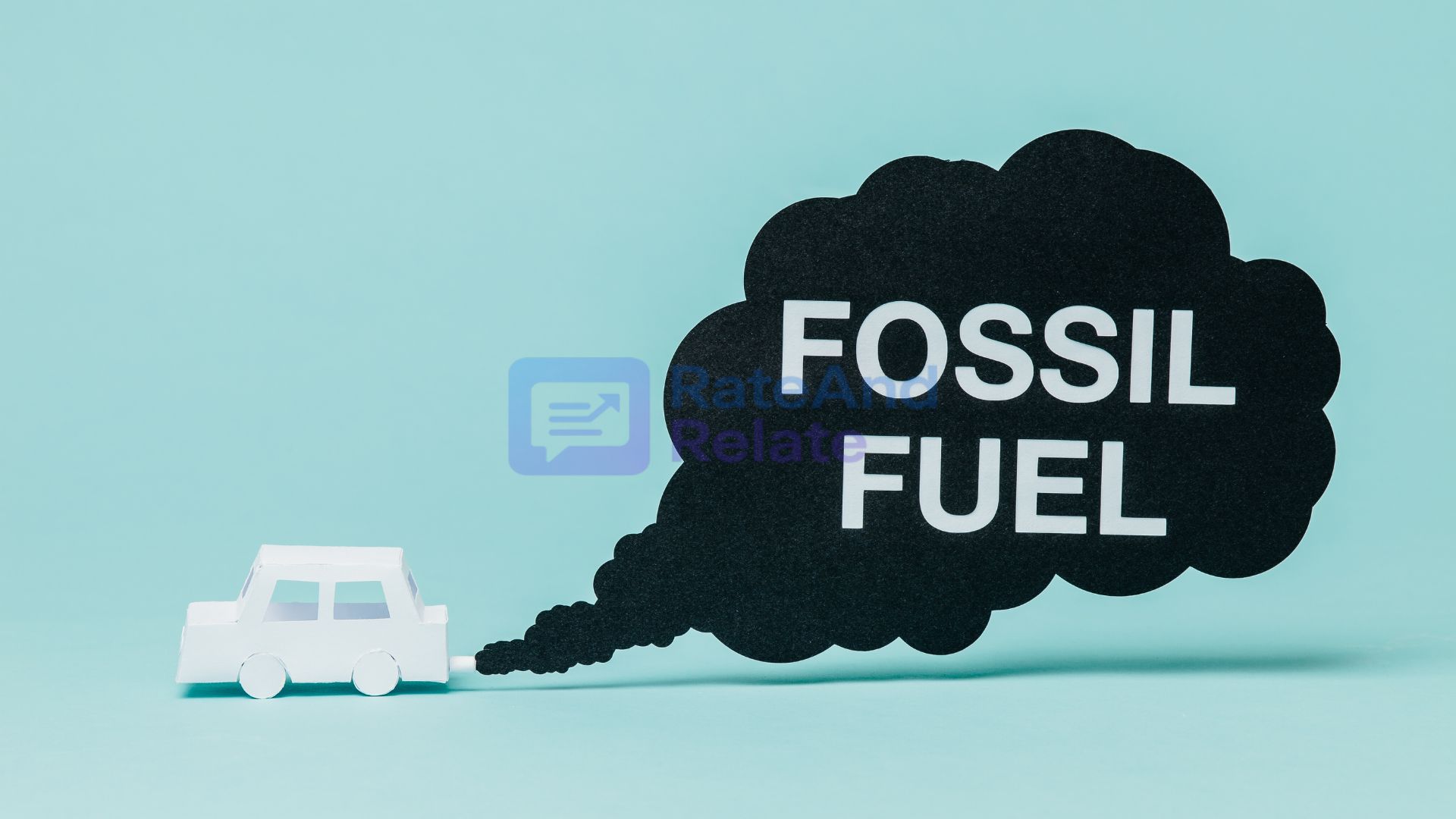
The global push toward clean energy is reshaping how nations, industries, and consumers think about power, growth, and sustainability. Governments are committing to net-zero targets, investors are shifting capital toward renewables, and new technologies are rapidly changing energy systems. Yet despite this momentum, fossil fuels—coal, oil, and natural gas—remain deeply embedded in the global economy. The question is no longer whether the world will transition to cleaner energy, but what role fossil fuels will play during that transition.
The Current Reality
Fossil fuels still account for a majority of global energy consumption. They power electricity grids, fuel transportation, support industrial production, and provide feedstocks for chemicals, plastics, and fertilizers. For many developing economies, fossil fuels remain the most affordable and reliable energy source, particularly where renewable infrastructure is limited or inconsistent.
This dependence makes an abrupt phase-out unrealistic. Energy systems are complex, capital-intensive, and slow to change, meaning fossil fuels will continue to coexist with clean energy for decades.
Shifting Role Rather Than Sudden Exit
In a clean-energy transition, the role of fossil fuels is expected to evolve rather than disappear overnight. Coal, the most carbon-intensive fuel, is likely to decline fastest as renewables and cleaner alternatives replace it in power generation. Oil demand may peak as electric vehicles expand, but aviation, shipping, and petrochemicals will continue to rely on it in the near term. Natural gas is often viewed as a “bridge fuel,” replacing coal while supporting grid stability alongside intermittent renewables like wind and solar.
This gradual shift highlights a transition of function—from primary energy dominance to backup, balancing, and specialized industrial use.
Technology as a Deciding Factor
Technological innovation will heavily influence the future of fossil fuels. Carbon capture, utilization, and storage (CCUS) aims to reduce emissions from fossil fuel use by trapping carbon dioxide before it enters the atmosphere. While promising, these technologies are expensive and not yet deployed at scale.
Efficiency improvements, methane leak reduction, and cleaner refining processes can also lower the environmental impact of fossil fuels. However, critics argue that such measures may delay investment in truly clean alternatives rather than accelerate the transition.
Economic and Social Considerations
Fossil fuel industries support millions of jobs worldwide and generate significant government revenue. A rapid decline without transition planning could destabilize economies and communities dependent on coal mining, oil extraction, or refining. As a result, many governments are focusing on “just transition” policies—reskilling workers, diversifying regional economies, and gradually shifting investment toward clean energy sectors.
Balancing environmental goals with economic stability remains one of the biggest challenges of the clean-energy transition.
The Geopolitical Dimension
Energy security adds another layer of complexity. Fossil fuels play a strategic role in global geopolitics, influencing trade relations, alliances, and conflicts. As countries reduce fossil fuel dependence, energy power dynamics may shift, but in the short to medium term, oil and gas will continue to shape international relations and national security decisions.
Looking Ahead
The future of fossil fuels in a clean-energy transition is not defined by immediate elimination but by managed decline and transformation. Their role will shrink as renewables, storage technologies, and energy efficiency improve, yet they will remain part of the global energy mix for years to come.
Ultimately, the success of the clean-energy transition will depend on how effectively the world balances environmental urgency with economic realities. Fossil fuels may no longer define the future of energy, but how they are phased down—and what replaces them—will shape that future in profound ways.