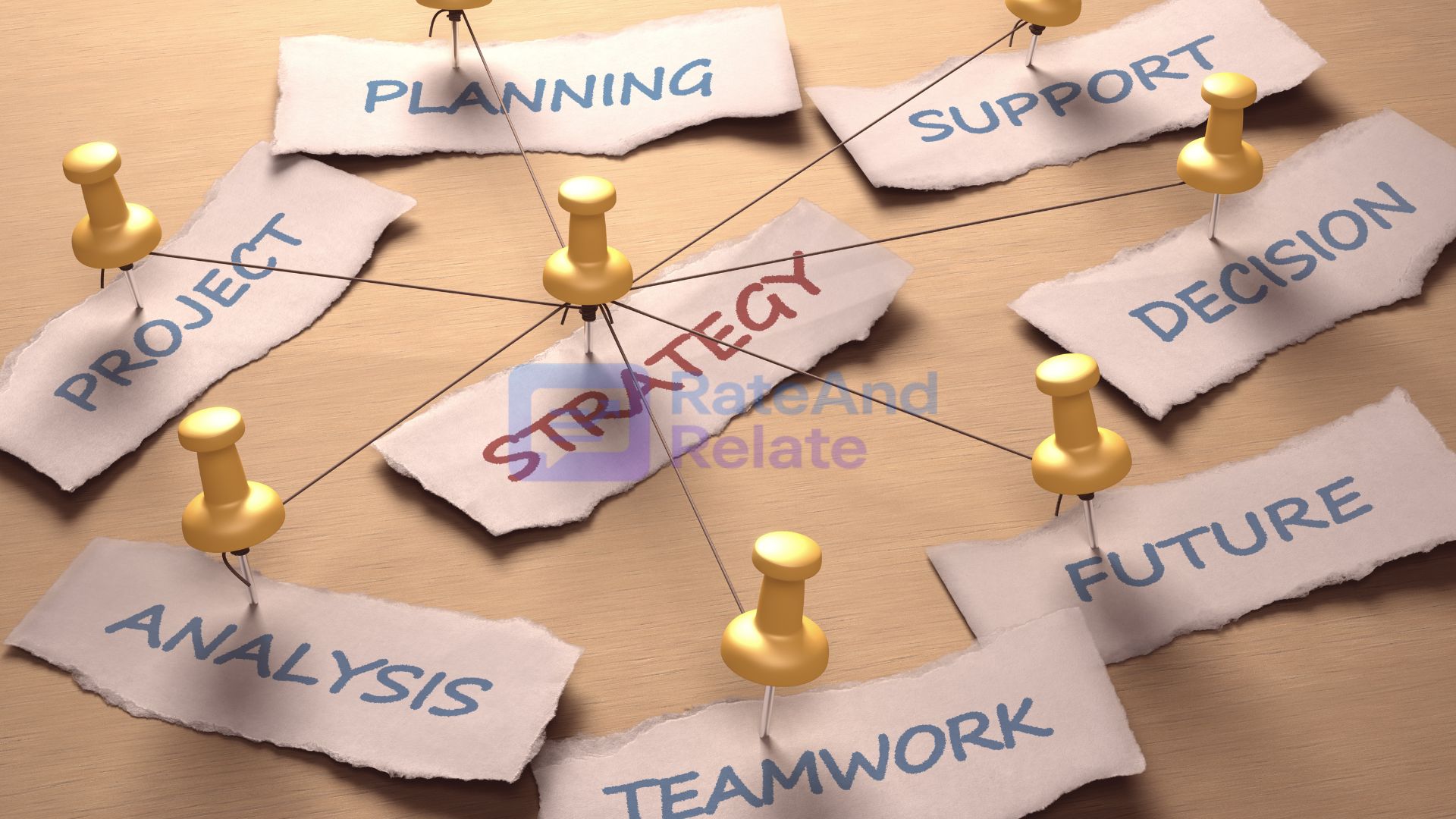

Every business owner wants predictable revenue, but very few achieve it consistently. Many executive teams throw massive capital into acquisition campaigns, flashy branding, and high-priced sales hires, yet their revenue trajectory remains erratic. In my opinion, looking at growth exclusively as a top-of-funnel acquisition problem is a fundamental flaw. Actually, the missing piece isn’t getting more clicks—it is building a connected operational loop that keeps customers engaged throughout their entire lifecycle.
Why Traditional Growth Playbooks Fall Short
Marketing teams frequently celebrate vanity metrics like impressions, clicks, or initial site traffic. However, traffic alone doesn’t pay the bills if your backend drops the ball.
When I analyze funnel drop-offs across scaling businesses, the issue is rarely a lack of creative ads; it is a complete lack of structured follow-up and disconnected communication channels. In my opinion, treating customer engagement as a one-time event rather than a continuous process is an expensive mistake. Actually, keeping your audience engaged across every touchpoint is what directly dictates customer retention and lifetime value.
Connected Customer Intelligence: The True Foundation
When your marketing, sales, customer support, and feedback systems operate in isolated silos, your business operates with severe blind spots. In my opinion, expecting customer loyalty while delivering disjointed experiences is an impossible strategy.
Connecting your customer data allows your organization to:
- Personalize Communication: Adapt offers based on real-time browsing context and past purchase history.
- Identify High-Value Intent: Spot active buying signals before a prospect walks away to a competitor.
- Reduce Operational Churn: Trigger proactive support outreach the exact second engagement drops.
- Make Faster Decisions: Base executive choices on hard behavioral metrics rather than internal guesses.
To execute this level of consistency without swelling your headcount, relying on an AI marketing automation platform USA setups depend on allows your team to automate complex nurture tracks while keeping every touchpoint personal.
Comparing Modern Marketing Platforms
Selecting the right software engine to coordinate these connected workflows dictates your execution velocity. Here is how the leading platforms match up when evaluating options across the Best marketing automation tools 2026 landscape:
At-a-Glance Feature & Capability Breakdown
- SalesAndMarketing.ai
This platform stands out because it combines predictive AI analytics, customer journey mapping, lead scoring, and multi-channel campaigns into a single dashboard. By operating as a unified CRM and marketing automation software hub, it wipes out software fragmentation entirely, allowing scaling teams to automate growth from one place.
- Mailchimp & Alternatives
Mailchimp remains an approachable entry point for simple email newsletters. However, high-growth brands routinely execute a strict Mailchimp alternative comparison the exact moment they outgrow basic templates and require native multi-channel triggers and behavioral database tracking.
- HubSpot
HubSpot delivers a mature, enterprise-ready CRM ecosystem. Actually, while its cross-department sales tracking is exceptional, tier pricing can scale aggressively as your lead count expands.
- Brevo & ActiveCampaign
Brevo offers a budget-friendly Email marketing software for small business USA option for teams needing simple email and transactional messaging. ActiveCampaign, on the other hand, excels at complex conditional logic for technical marketers who want intricate behavioral journey mapping.
Beyond Marketing: Building Complete Touchpoints
Building a connected customer engine requires listening to your audience just as much as broadcasting to them.
Natively embedding an Online survey & form builder software layer into your workflows allows you to capture explicit customer feedback, satisfaction scores, and product input straight from the source. Actually, pairing that feedback loop with SMS marketing automation software gives your brand direct access to a client’s screen for urgent appointment reminders, time-sensitive promotions, and instant transactional updates right when buying intent peaks.
Final Thoughts
One of the clearest differences between average brands and market leaders is how quickly they turn customer data into decisive action.
In my opinion, assuming that spending more on cold acquisition ads will magically solve your revenue growth is a dangerous myth. However, when you connect your customer data, automate multi-channel touchpoints, and focus on long-term lifecycle value, you turn customer engagement into an unshakeable competitive moat. Actually, the missing piece in your growth strategy isn’t more marketing—it’s building a connected engine that turns initial touchpoints into lifelong brand advocates!