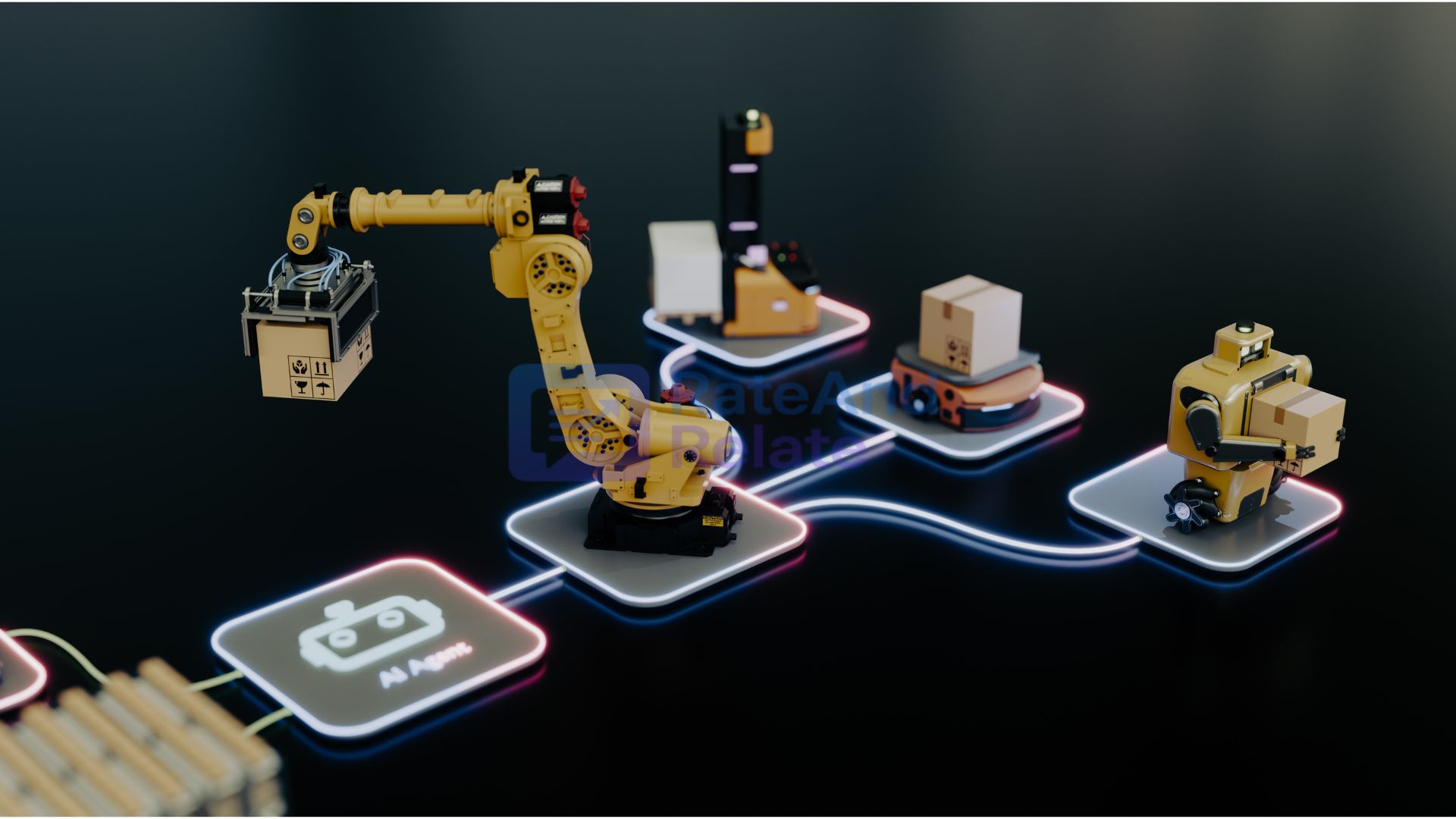

Manufacturing has officially entered a high-stakes era where digital intelligence is becoming far more valuable than raw physical horsepower. Across global industrial hubs, artificial intelligence is converting traditional assembly lines into hyper-connected, data-driven ecosystems capable of making autonomous decisions, slashing material waste, and elevating output quality.
When I evaluate industrial modernizations, the takeaway is clear: smart manufacturing is no longer a futuristic trial project. In my opinion, sticking to legacy operational models in today’s volatile market is a quiet guarantee of declining margins. Actually, AI is fundamentally redefining what it means to run an efficient factory floor.
What Smart Manufacturing Really Means
At its core, smart manufacturing pairs artificial intelligence with Industrial Internet of Things (IIoT) sensors, edge computing, advanced robotics, and real-time telemetry.
However, simply mounting smart sensors on old equipment does not make a factory smart. In my opinion, true intelligence comes from turning raw data streams into immediate operational changes. Actually, when an AI system automatically adjusts line speeds or alerts engineers to thermal spikes before a stoppage occurs, you move from reactive troubleshooting to continuous optimization.
Predictive Maintenance: Stopping Downtime Before It Starts
Unplanned equipment downtime is one of the most expensive leaks in manufacturing balance sheets. Traditional factory maintenance relies on fixed calendar schedules—servicing machines whether they need it or not.
In my opinion, calendar-based maintenance is completely outdated. Actually, AI algorithms monitor motor vibration, operating temperatures, hydraulic pressure, and electrical draws continuously in real time.
However, the real breakthrough isn’t just detecting anomalies; it’s predicting hardware failure windows weeks in advance. This proactive intervention extends equipment lifespans, slashes emergency repair costs, and keeps delivery commitments on schedule.
Precision Quality Control and Resilient Supply Chains
Manual quality inspections and sample testing are notoriously slow and prone to human fatigue. Deploying AI-powered computer vision systems changes the game completely, inspecting thousands of parts per minute with sub-millimeter precision.
Beyond the factory floor, AI is rewriting supply chain logistics:
- Predictive Demand Forecasting: Actually, AI models analyze macro market signals, seasonal shifts, and order histories to predict material requirements accurately.
- Inventory Optimization: Reducing warehousing overhead while avoiding costly material shortages.
- Energy Management: In my opinion, managing energy consumption is one of the quickest ways to protect profit margins. AI dynamically adjusts machinery power states during peak electricity tariff windows, cutting operational costs while advancing sustainability goals.
Human-Machine Collaboration and Adoption Bottlenecks
There is a persistent myth that smart manufacturing aims to eliminate human workers entirely. However, I consistently see that the most productive smart factories use AI to elevate human talent, not replace it.
Cobots (collaborative robots) handle repetitive, dangerous physical tasks, while human technicians focus on system architecture, preventative strategy, and complex problem-solving.
In my opinion, the biggest hurdle in smart manufacturing isn’t buying new technology—it is bridging the gap between legacy machinery and modern data infrastructure. Actually, manufacturers who develop a clear step-by-step digital roadmap rather than attempting overnight overhauls achieve far higher long-term ROI.
Final Thoughts
The future of manufacturing belongs to autonomous, self-optimizing facilities driven by digital twins, edge AI, and predictive analytics.
In my opinion, treating AI as an optional luxury on the factory floor is a dangerous gamble. However, when you embrace smart manufacturing—unifying IIoT telemetry, predictive maintenance, and human-machine collaboration—you transform production from a cost center into an agile growth engine. Actually, the future isn’t just about building things faster; it’s about building them smarter!