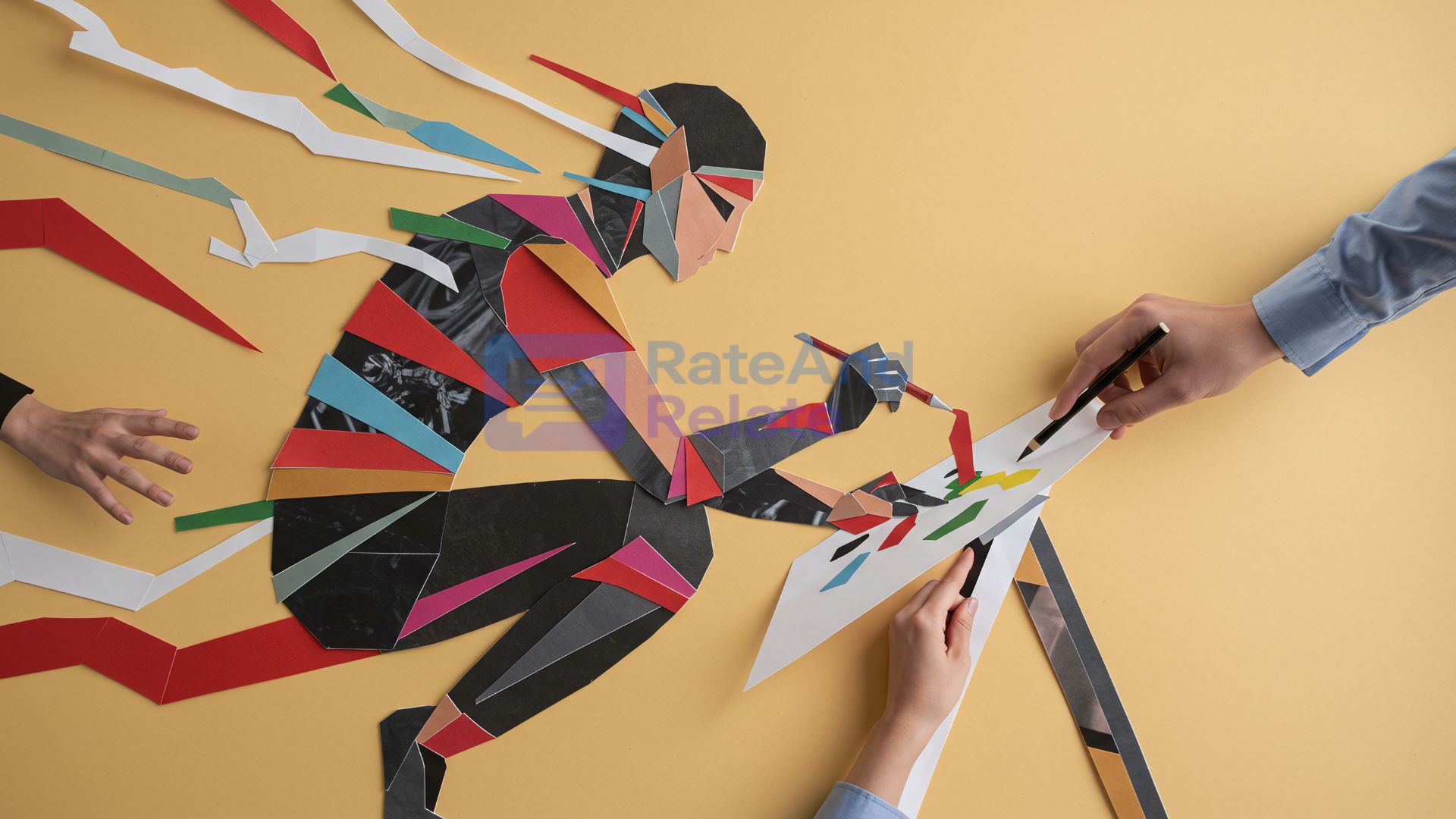

Art has always been more than a form of aesthetic expression—it’s a language of resistance, empathy, and transformation. Across centuries and civilizations, visual and performing arts have acted as powerful instruments to challenge injustice, inspire movements, and awaken social consciousness. From murals on city walls to protest songs and theatre, art often becomes the heartbeat of social change.
Art as the Voice of the Voiceless
Artists have historically spoken for communities silenced by power or inequality. Visual art can distill complex emotions—anger, hope, grief—into a single image that transcends language and culture.
For instance, the Mexican muralist Diego Rivera portrayed the struggles of industrial workers and indigenous people, turning public spaces into canvases of protest. Similarly, Indian artists like M.F. Husain and Amrita Sher-Gil captured the nation’s identity and socio-political transitions during pre- and post-independence eras.
Street art, too, has become a democratic form of protest. Murals depicting gender equality, climate action, or caste awareness transform urban walls into public dialogue spaces.
Performing Arts as Instruments of Awareness
Theatre, dance, and music have an immediacy that connects deeply with audiences. They are not confined to galleries or elite spaces—performing arts take activism directly to the people.
In India, street theatre groups like Jana Natya Manch (JANAM) use performance to raise awareness about labour rights, corruption, and social justice. Similarly, folk and protest music—from Bob Dylan’s anthems to India’s revolutionary ballads—have amplified social messages that mobilize communities.
Dance forms like Bharatanatyam and Kathak have also evolved from classical devotion to vehicles for commentary, addressing themes of gender, freedom, and cultural identity.
Art as Emotional Catalyst
Art doesn’t just inform—it moves people emotionally. A painting, play, or song can ignite empathy far more effectively than facts or data. During movements like #BlackLivesMatter, climate activism, or women’s rights, powerful visuals and performances helped humanize issues, making them relatable and urgent.
This emotional connection turns awareness into action—protest art isn’t just about seeing; it’s about feeling and responding.
Digital Media and Global Movements
In the digital age, art travels faster than ever. Memes, digital illustrations, short films, and music videos now shape the narrative of online activism. Artists use social media to democratize expression, reaching audiences beyond borders.
For example, during the pandemic and global protests, Instagram became a virtual gallery of solidarity—where illustrators, designers, and filmmakers used creativity to speak truth to power.
Art as a Mirror and a Movement
Art reflects society—but it also reimagines it. Whether it’s a painting that questions privilege, a play that exposes corruption, or a song that unites voices of dissent, art transforms awareness into collective consciousness.
True social change requires empathy, and art is empathy in motion. It helps people see what logic alone cannot reveal—and in doing so, it continues to be one of the most powerful agents of transformation in human history.