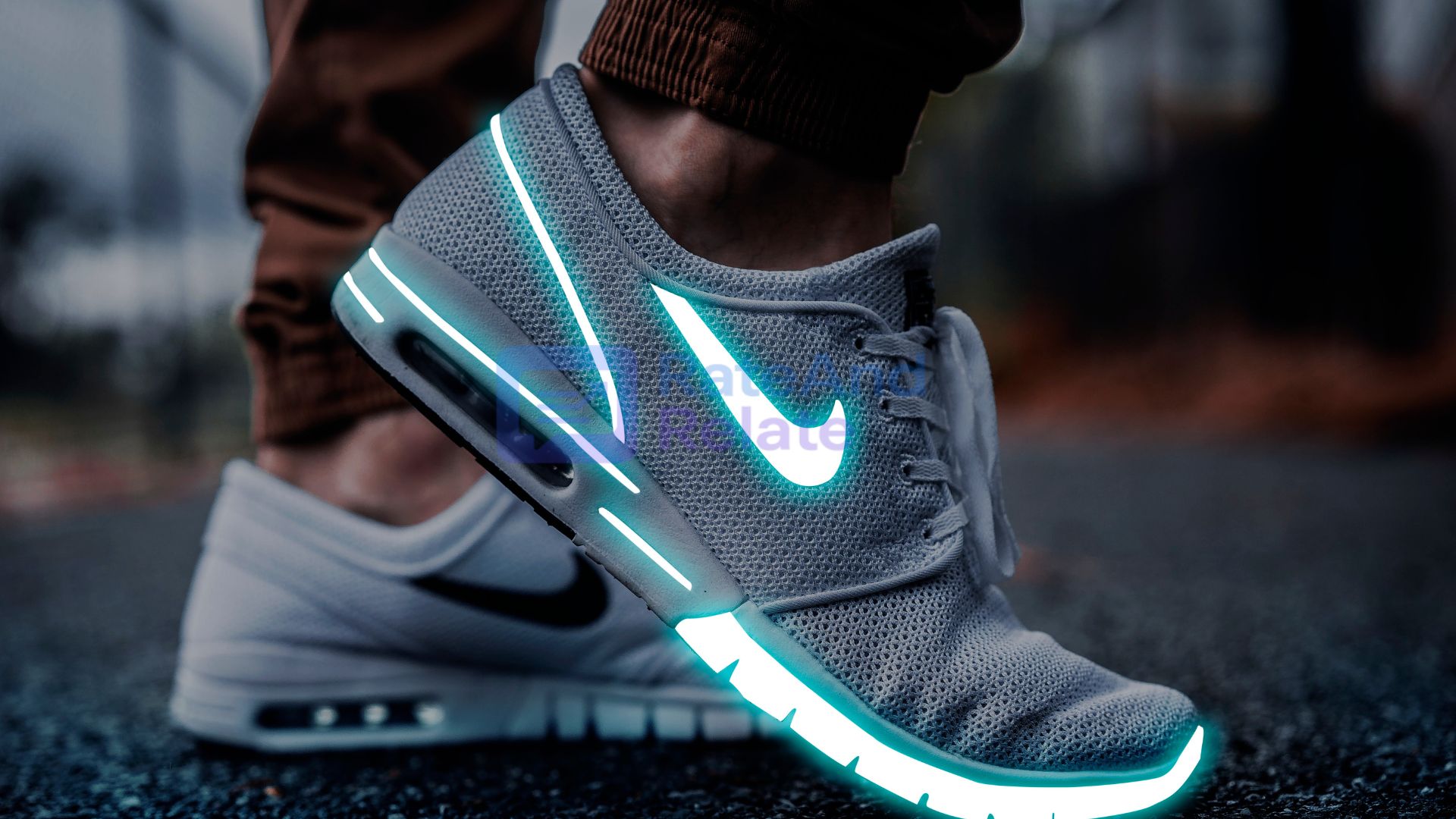

Nike is one of the world’s most iconic brands, but its origins are surprisingly humble. It didn’t begin with giant factories, celebrity athletes, or billion-dollar marketing budgets. It began with a runner and his coach, a simple handshake partnership, and a dream to build better running shoes.
This is the inspiring real-life story of how Phil Knight and Bill Bowerman transformed a tiny track-side idea into Nike, the world’s most influential sports empire.
The Runner: Phil Knight
Phil Knight was a young athlete at the University of Oregon. Passionate about running, he believed American athletes needed lighter and better shoes to compete with European and Japanese brands.
After completing his MBA, Knight wrote a paper about how Japanese-made running shoes could disrupt the German-dominated market.
He didn’t just submit the paper —
he decided to turn it into a business.
The Coach: Bill Bowerman
Bill Bowerman, Knight’s legendary track coach, was obsessed with improving athlete performance. He would cut open, stitch, experiment, glue, and rebuild shoes to make them lighter and faster.
He once poured rubber into a waffle iron to create a new kind of sole —
a weird experiment that later became the iconic Nike “Waffle” sole, changing running shoes forever.
Bowerman wasn’t just a coach. He was:
- a problem-solver
- an innovator
- a fearless creator
Exactly the partner Knight needed.
A Partnership That Started With a Simple Deal
In 1964, Knight and Bowerman formed Blue Ribbon Sports, the company that would later become Nike.
Their agreement was almost casual:
- Knight would handle business and sales
- Bowerman would design better shoes
Bowerman was so committed that he even offered his shoe ideas to Knight in exchange for 50% of the company.
The Early Hustle: Selling Shoes from a Car Trunk
Knight didn’t have a store.
He sold shoes out of the trunk of his car at track meets.
It was pure hustle — building trust, meeting athletes, convincing them to try new designs.
Blue Ribbon Sports grew because:
- the shoes were innovative
- they were lightweight
- they were affordable
- athletes loved them
But they needed their own identity.
The Birth of Nike
In 1971, after ending their partnership with their Japanese supplier, Knight and Bowerman needed a new brand name.
They chose “Nike,” inspired by the Greek goddess of victory.
A young design student created the now-iconic Swoosh logo for just $35.
The brand was born.
Innovation That Changed the Game
Bowerman’s creativity led to groundbreaking designs:
- lightweight uppers
- waffle soles
- improved traction
- better cushioning
Nike quickly became popular among runners and track athletes.
Then came a turning point:
Nike Air technology, inspired by aerospace engineering, which revolutionized athletic shoes.
Marketing Masterstroke: Athlete Partnerships
Nike understood early that athletes sell dreams.
They signed:
- Steve Prefontaine (running)
- Michael Jordan (basketball)
- Later global icons like Serena Williams, Ronaldo, Tiger Woods
Jordan’s partnership became one of the most successful endorsements in history, turning Nike into a cultural movement — not just a sportswear brand.
From Track Field to Global Empire
Nike’s success came from three things:
1. Relentless innovation
Always pushing design, comfort, and performance.
2. Smart storytelling
Their ads didn’t sell shoes —
they sold motivation, discipline, strength, and dream-chasing.
3. Cultural relevance
Nike became part of youth culture, sports culture, and streetwear history.
Today, Nike is:
- valued in billions
- worn in over 170 countries
- a symbol of athletic excellence
All starting from one runner and one coach.
The Legacy
The story of Nike proves that:
- a small idea can become global
- innovation can come from anywhere
- passion is more powerful than money
- iconic brands begin with simple beginnings
Phil Knight once said:
“The cowards never started and the weak died along the way. That leaves us.”
Nike’s journey is a reminder that victory often begins long before success — it begins with belief.