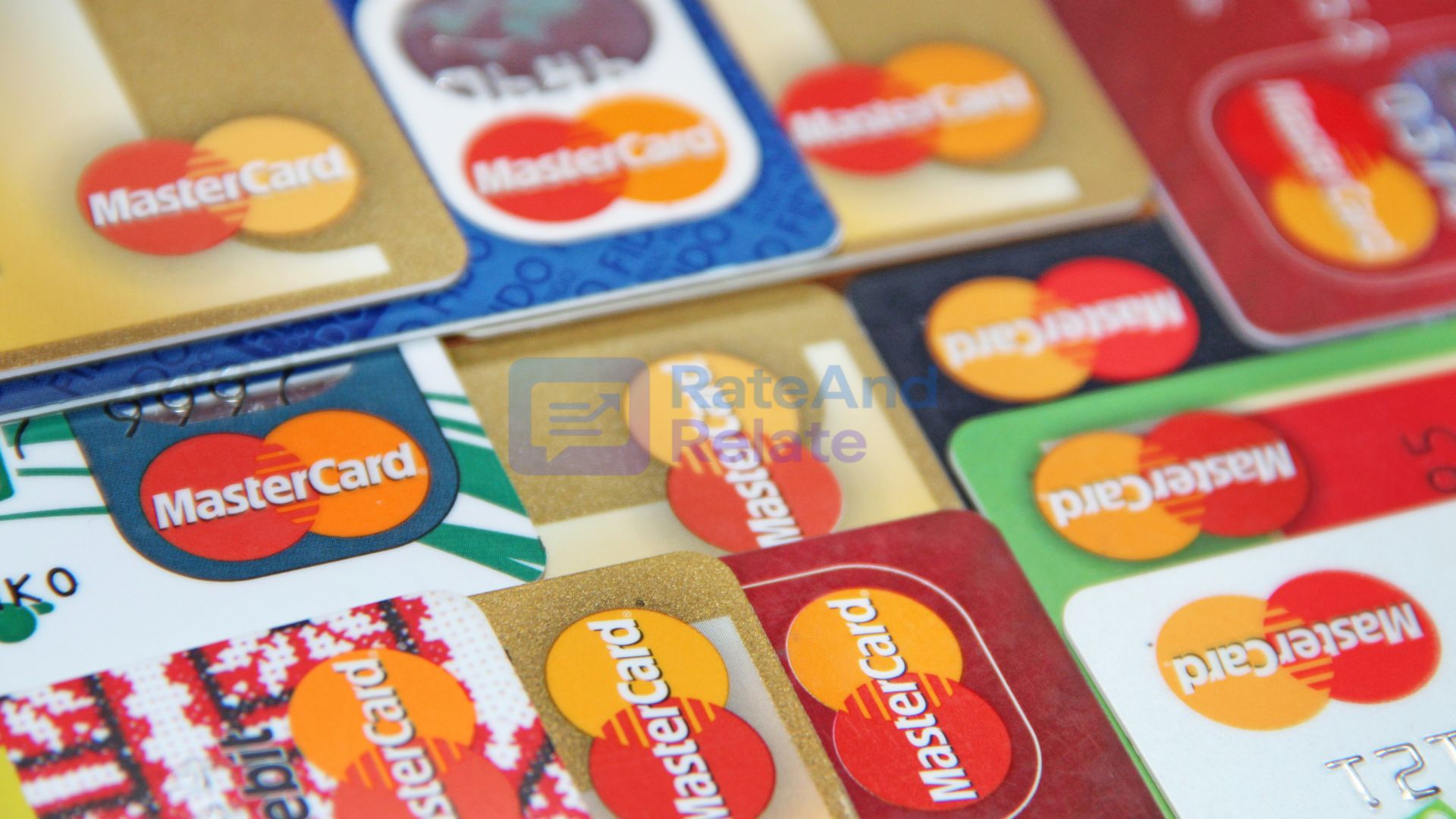

Open your wallet. You probably have a Mastercard in there. Now, ask yourself: When was the last time you actually “swiped” it?
If you are like me, you probably tapped your phone, used a QR code, or paid online. Physical plastic cards are slowly becoming souvenirs. However, while everyone predicts the death of plastic, Mastercard shares are hitting all-time highs. My opinion? Mastercard is pulling off the greatest magic trick in corporate history. They have successfully convinced us they are a “Credit Card Company,” while quietly transforming into a Big Data & Tech Giant.
Here is my analysis of why the “Mastercard” you know doesn’t exist anymore.
The “Multi-Rail” Strategy (Why Cards Are Just the Start)
For decades, Mastercard had one job: It was a toll booth. You swiped, they took a small fee. Simple. Actually, that model is under attack. UPI, Crypto, and “Buy Now, Pay Later” (BNPL) are bypassing the traditional card networks.
Mastercard saw this coming years ago. They shifted to a “Multi-Rail” strategy. Think of it like a train station.
- Before, they only owned the “Credit Card Track.”
- Now, they own the tracks for Bank Transfers, Blockchain, and Real-Time Payments. They don’t care how you pay anymore. As long as money moves, they want to be the infrastructure underneath it.
Data is the New Oil (And Mastercard is Saudi Arabia)
This is the part that fascinates me as a business owner. We think Mastercard makes money when we buy coffee. Actually, a massive chunk of their growth comes from “Services.” Every time you spend, you generate data points.
- Where do you shop?
- How much do you travel?
- What is your risk profile?
Mastercard has packaged this data (anonymized, of course) into a powerful consulting business. They sell “Market Intelligence” and “Fraud Detection” to banks and retailers. They aren’t just processing payments; they are selling wisdom. In 2026, wisdom pays better than transaction fees.
From “Competitor” to “Plumber”
When Fintech apps (like Google Pay or Paytm) exploded, I thought, “Mastercard is in trouble.” I was wrong. Mastercard didn’t fight the Fintechs; they partnered with them. Most of those digital wallets run on Mastercard’s virtual infrastructure. They became the “plumber” behind the scenes. It’s the classic “Gold Rush” strategy. Don’t dig for gold; sell shovels to the miners. Mastercard is selling shovels to every Fintech startup in the world.
Security as a Service
In a world of deepfakes and AI hacking, “Trust” is a product. Mastercard is investing billions in AI Cyber Security. In my opinion, this is their moat. A new startup can process a payment, but can they protect it? Probably not. Big banks stick with Mastercard not because they love the fees, but because they fear the hackers.
Conclusion
Mastercard dropped the word “Mastercard” from their logo a few years ago. It’s just two circles now. That wasn’t a design choice; it was a statement. They aren’t a “Card” company. They are a Tech Company.
Plastic is dying. But the “Circles” are going to be around forever.