
I remember the first time I rode a KTM Duke 390. I twisted the throttle, and the front wheel tried to aim for the sky. It vibrated, it was loud, and the seat was hard as a rock. My immediate thought? “This thing is absolutely mental.”
Most motorcycle brands try to be polite. They want to give you a smooth, comfortable ride to the office. However, KTM doesn’t care about your comfort. They care about your adrenaline. In a world of boring, sanitized commuter bikes, KTM is the only brand that has refused to grow up.
Here is my analysis of how a small Austrian workshop conquered the world by being unapologetically aggressive.
1. Born in the Mud, Not the Boardroom
Most people think KTM is just a “Cool Brand.” Actually, their history is desperate. In the 1980s, the Japanese giants (Honda, Yamaha) were crushing everyone with reliable, smooth bikes. KTM couldn’t compete on smoothness. So, they made a strategic choice: They decided to be the “Bad Boy.” Instead of trying to beat Honda at being Honda, they doubled down on Dirt Bikes. They focused on suspension that could survive a cliff drop and engines that could survive the desert. They didn’t build bikes for the road; they built them for war.
2. “Ready to Race” isn’t a Slogan. It’s a Warning.
Marketing slogans are usually lies. However, “Ready to Race” is the most honest slogan in the automotive industry. When you buy a KTM, you aren’t getting a detuned engine. You are getting a high-compression, high-performance machine that runs hot and demands attention.
- This scares away casual riders. And that is exactly what KTM wants. They built a brand that acts as a filter: If you want comfort, go elsewhere. If you want speed, stay here.
3. The “Duke” Invasion
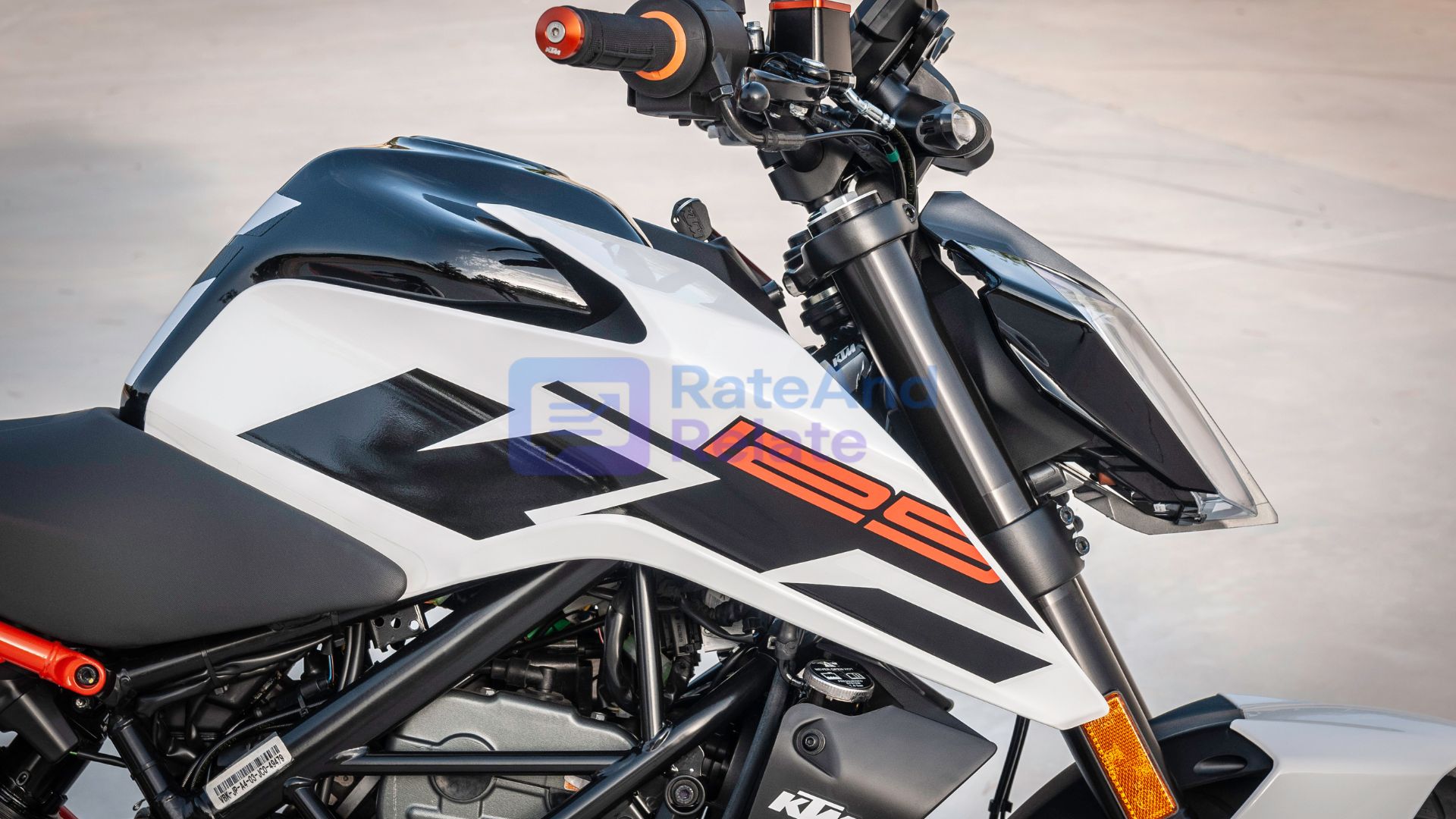
For years, KTM was only for off-roaders. Then they decided to put slick tires on a dirt bike frame. The Duke was born. In my view, the Duke series changed street riding forever. Before the Duke, small-capacity bikes were boring. They were for delivering pizza. KTM proved that a 200cc or 390cc bike could be a pocket rocket. They brought “Performance” to the masses.
4. The India Connection (The Bajaj Masterstroke)
We cannot talk about KTM without mentioning India. Actually, the partnership with Bajaj was genius. By manufacturing in India, they dropped the price without dropping the performance. This created a cultural phenomenon. Suddenly, college kids weren’t dreaming of heavy cruisers; they were dreaming of orange trellis frames. KTM democratized speed in developing markets.
5. Why the “Orange” Identity Works
Color matters. Ferrari has Red. Kawasaki has Green. KTM owns Orange. It is loud. It is obnoxious. It screams for attention. You don’t ride a KTM to blend in. You ride it to stand out. The color is a psychological trigger that says, “I am faster than you.”
Conclusion
KTM motorcycles vibrate. They heat up in traffic. They are aggressive. However, that is exactly why they are successful. We live in a sanitized world. We drive quiet electric cars and work in air-conditioned offices. Riding a KTM is one of the last raw, mechanical experiences left. It reminds you that you are alive. And for that, I will always respect the Orange brigade.