
We take it for granted now. You tap a piece of glass, and a movie plays. You swipe, and a car arrives to pick you up. But I still remember the world before 2007. We were all clicking away on plastic Blackberry keyboards or tapping styluses on Palm Pilots.
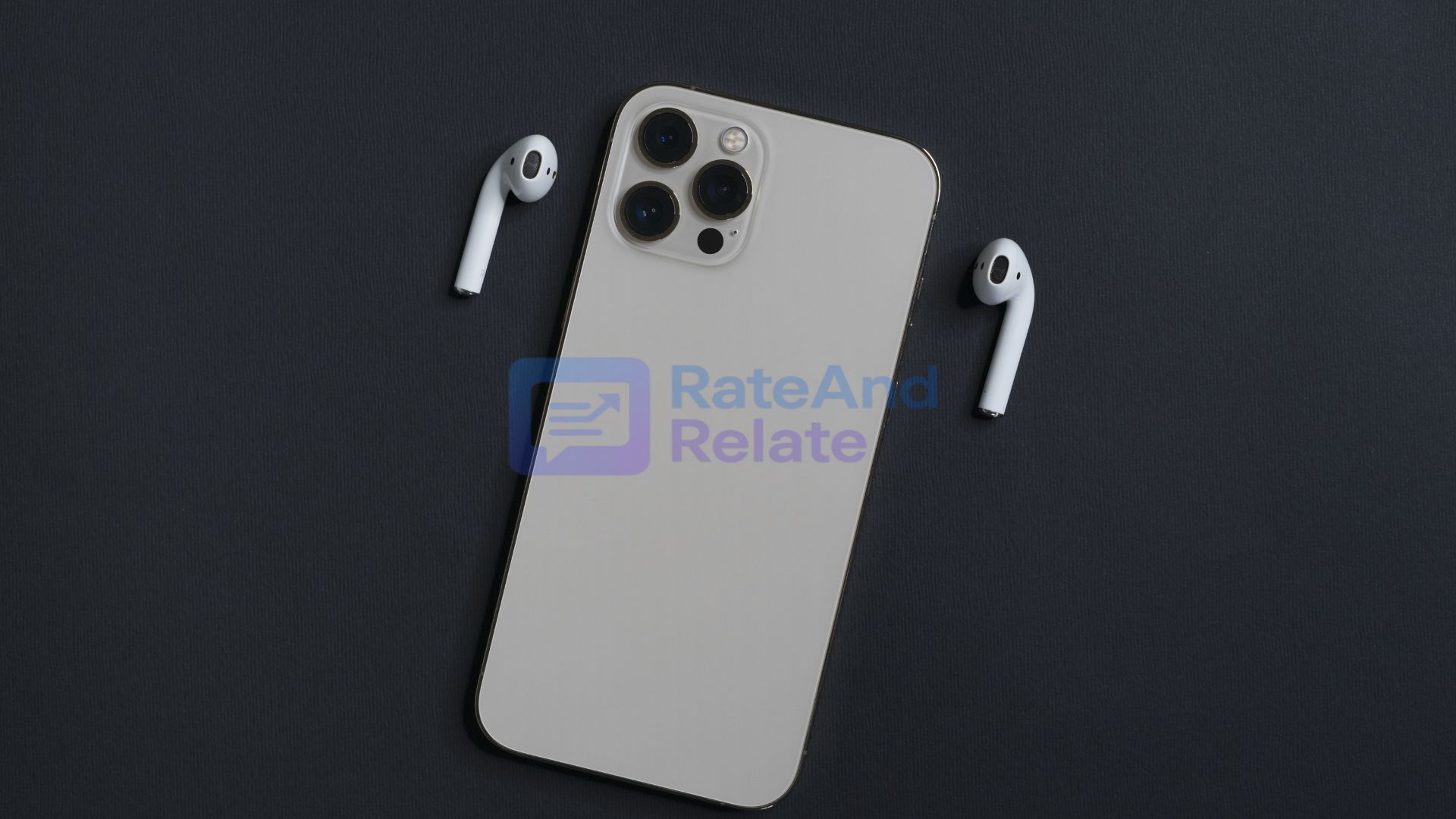
When Apple launched the iPhone, it wasn’t just a new gadget. In my opinion, it was the moment technology stopped being “for geeks” and started being for everyone.
Looking back, here is my take on how the iPhone actually changed the game—and why it still dominates today.
The “Keyboard Killer”: A Risk That Paid Off
It’s hard to imagine now, but in 2007, removing the physical keyboard was considered suicide. Actually, many tech experts at the time laughed at the idea. They said, “No one will type on glass.”
But Apple made a bet on Simplicity. They realized that if you make the screen the controller, the phone can be anything—a TV, a map, a game console. My Experience: I’ve seen this pattern in my own work in the tech industry. The best solution isn’t usually the one with the most features; it’s the one with the least friction. Apple didn’t have 3G or GPS in that first model, but they nailed the experience.
The App Store: The Real Revolution
While the hardware was pretty, I believe the real revolution happened a year later with the App Store.
Before this, software was something you bought in a box or downloaded painfully on a PC. The App Store turned software into a snap-decision purchase. From a Business Perspective: This created the entire digital economy we work in today. Without this move, companies like Uber, Instagram, or even my own digital projects wouldn’t exist. The iPhone transformed from a product into a Platform.
My Critique: Is “Consistency” Becoming “Boring”?
However, I have to be critical here. In recent years, many users (myself included) have noticed that the “magic” has slowed down. The iPhone 14 looks like the 15, which looks like the 16.
My Take: While competitors like Samsung are experimenting with folding screens, Apple plays it safe. But here is the truth: Boring builds Trust. People buy iPhones today not because they do new things, but because they do the old things perfectly. When you buy an iPhone, you know it will still work in 5 years. That resale value is something no Android flagship has managed to match yet.
The Verdict
The iPhone didn’t win because it was the first smartphone (it wasn’t). It won because it focused on the Human, not the Hardware.
Today, even though I admire the specs of high-end Androids, I respect Apple’s discipline. They taught the world that technology shouldn’t just be powerful; it should be invisible.