
Few brands in the world command loyalty the way Harley-Davidson does. For more than a century, the company has sold more than just motorcycles—it’s sold freedom, rebellion, identity, and a way of life. While other manufacturers focused on engineering and horsepower, Harley-Davidson built an emotional empire rooted in culture, community, and the open road.
A Humble Start That Became an American Legend
Harley-Davidson was born in 1903 in a small shed in Milwaukee, Wisconsin. What began as a simple motor-bicycle prototype by William Harley and the Davidson brothers soon evolved into one of the most recognizable brands in motorcycling history.
During World Wars I and II, Harley-Davidson supplied thousands of bikes to American troops. The rugged machines became symbols of heroism and power—planting the seeds of the brand’s legendary status.
Engineering Strength, But Branding Genius
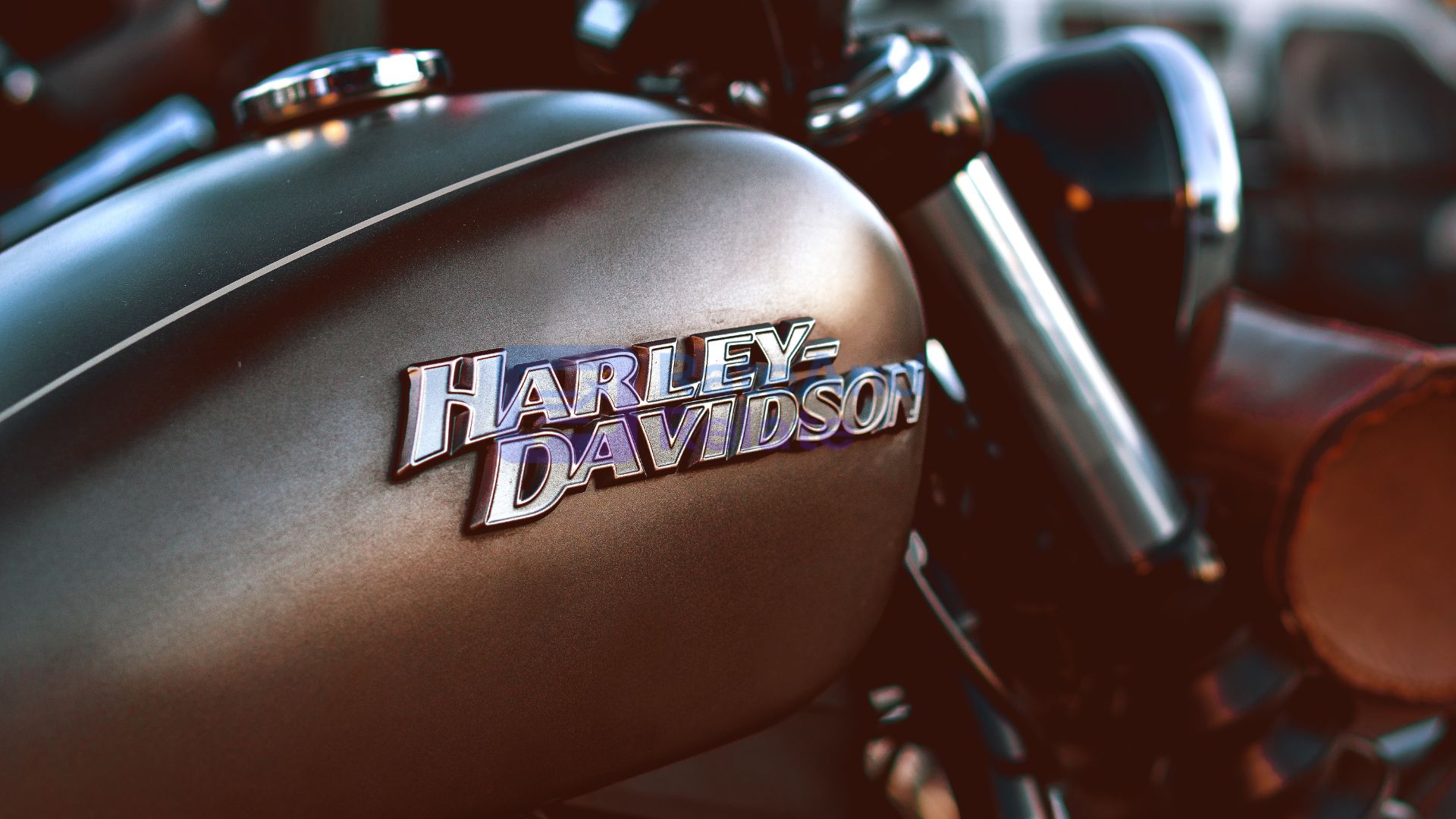
Harley’s motorcycles stand out through their iconic:
- V-twin engines
- Thunderous exhaust sound
- Heavy, chrome-finished designs
- Customization-friendly build
But the real genius wasn’t just the machine—it was how Harley made people feel. The brand’s identity centered around three core emotions:
1. Freedom
Riding a Harley became synonymous with escaping routine and embracing the open road.
2. Individuality
Customizing your Harley was a rite of passage—an expression of self.
3. Brotherhood
Harley riders were not customers; they were members of a tribe.
From Motorcycles to a Full-Fledged Lifestyle
Harley-Davidson built a world around its machines. Riders didn’t just buy a bike—they joined a culture.
Harley Owners Group (H.O.G.)
Founded in 1983, H.O.G. turned riding into a social experience. Members enjoyed:
- Group rides
- Community events
- Brand festivals
- International meet-ups
This created organic, lifelong brand loyalty.
Merchandise That Became Fashion
Harley-Davidson apparel—leather jackets, boots, patches, bandanas—transformed into symbols of rebellion and toughness even for people who never owned a bike.
Pop Culture Power
Hollywood and rock music embraced Harley. From Easy Rider to Sons of Anarchy, the brand became a cultural icon representing nonconformity and raw freedom.
A Brand That Sold Emotion More Than Machines
Harley-Davidson’s marketing pioneered the idea that products are secondary to the identity they help people build.
Their message was never “Buy our motorcycle.”
It was always:
“Join the brotherhood. Live free. Become a legend.”
This emotional branding allowed Harley to survive:
- Competition from Japanese manufacturers
- Market downturns
- Shifting consumer preferences
In fact, Harley’s brand was so powerful that people were willing to pay premium prices for slower, heavier bikes—because the machine didn’t matter as much as what the machine represented.
The Modern Harley: Tradition Meets Transformation
In recent years, Harley-Davidson adapted to a changing world:
- Electric models like the LiveWire
- Younger rider outreach programs
- Global expansion beyond America
- Lifestyle experiences, tours, and retail stores
Yet the brand still protects its heritage—making sure every motorcycle, from classics to EVs, carries the same emotional DNA of freedom and self-expression.
Why Harley-Davidson Remains Timeless
Harley-Davidson is not just a motorcycle brand—it’s a cultural movement. It built a lifestyle by:
- Creating community
- Celebrating individuality
- Owning a unique sound and aesthetic
- Becoming part of movies, music, and fashion
- Selling emotion, not engines
In a world where brands fight for attention, Harley proves that loyalty is earned not through products, but through powerful storytelling and shared identity.