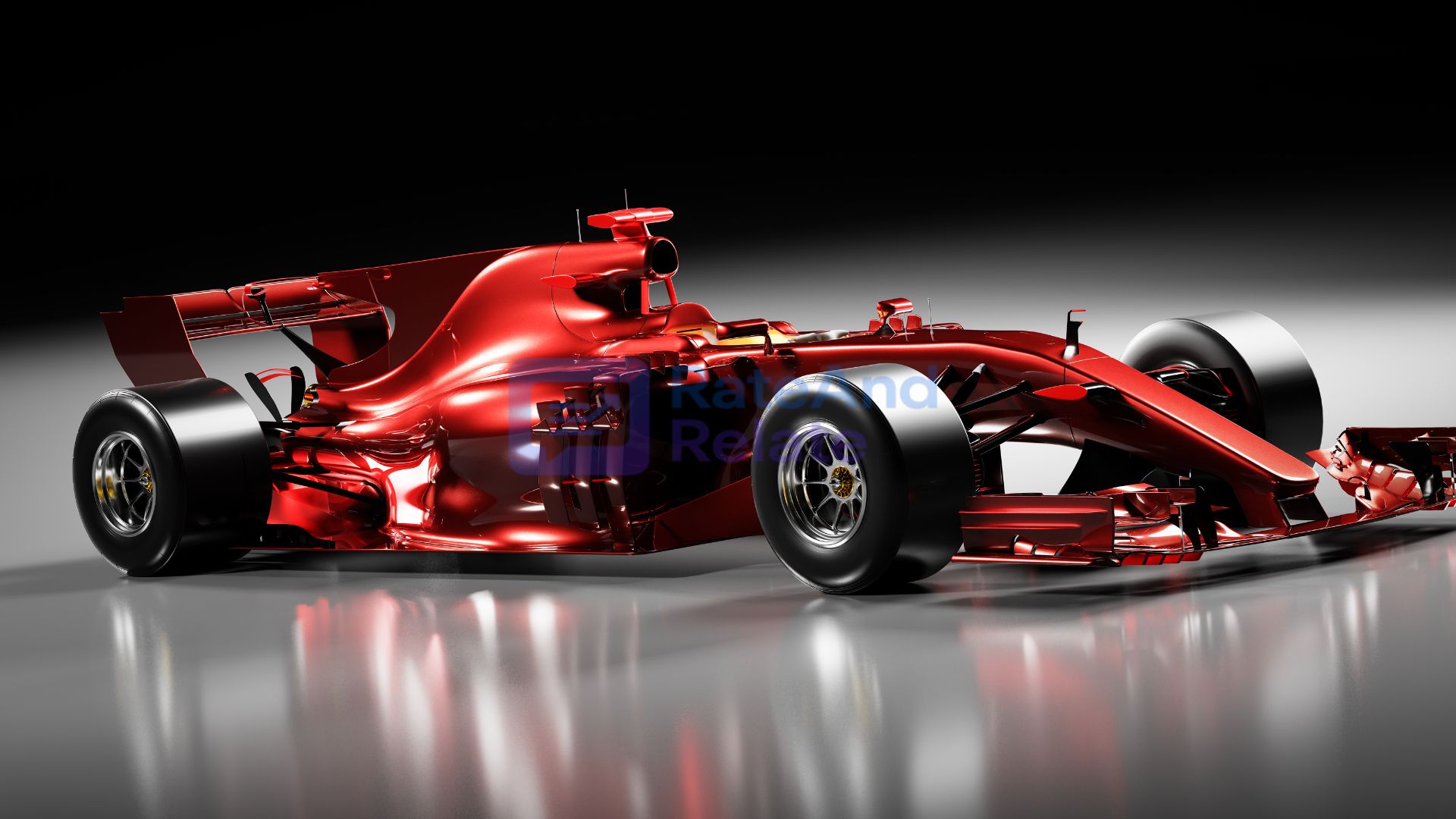

Growing up, Formula 1 was what my dad watched on Sunday afternoons to take a nap. It was just 20 cars going around in circles for two hours. It felt technical, distant, and frankly, a bit boring. However, fast forward to today, and I am screaming at my TV because a pit stop took 3.5 seconds instead of 2.4.
The cars didn’t get faster. The racing didn’t even get that much better. What changed was the Story. Formula 1 stopped being an engineering contest and started being a Reality TV show.
Here is my analysis of how a sport for “Petrolheads” became a global obsession.
1. The “Netflix” Effect (Drive to Survive)
We have to talk about the elephant in the room. Before the Netflix show Drive to Survive, drivers were just helmets. We didn’t know who they were. Actually, they felt like corporate robots.
- The show stripped away the PR filter. It showed us the swearing, the politics, and the fear.
- Suddenly, Guenther Steiner (a Team Principal) became a bigger star than the actual champions.
- We realized that the drama off the track was often more exciting than the race itself.
2. From “Drivers” to “Influencers”
I remember when F1 social media was just race results and press releases. Today, it is a meme factory. In my view, giving the drivers the freedom to be themselves was the smartest move F1 ever made.
- We see Lando Norris making jokes.
- We see Lewis Hamilton’s fashion.
- We see Charles Leclerc playing piano. We don’t just root for the car anymore; we root for the character. It feels like we know them. That emotional connection keeps us watching even when the race leader is 20 seconds ahead.
3. America Finally Joined the Chat
For decades, F1 tried and failed to crack the US market. However, now we have three races in the US (Austin, Miami, Las Vegas). The Americanization of F1 has changed the spectacle. It’s louder, flashier, and more celebrity-filled. Some purists hate the “Showbiz” element. The sport needed it. The glitz and glamour turned a niche European hobby into a global Super Bowl that happens every weekend.
4. Imperfection is the New Perfect
Old F1 tried to be perfect. New F1 embraces the chaos. When Ferrari messes up a strategy, or a pit crew drops a tire, the cameras zoom in. They let us hear the angry radio messages. Actually, this transparency is addictive. It reminds us that despite the millions of dollars and advanced technology, it is still just humans making mistakes under pressure.
Conclusion
Formula 1 proved that you don’t need to change the game to save it. You just need to change the camera angle. They realized that we don’t just want to see who wins. We want to see who survives.
I used to watch for the overtakes. Now, I watch for the drama. And honestly? I think that’s exactly what they wanted.