
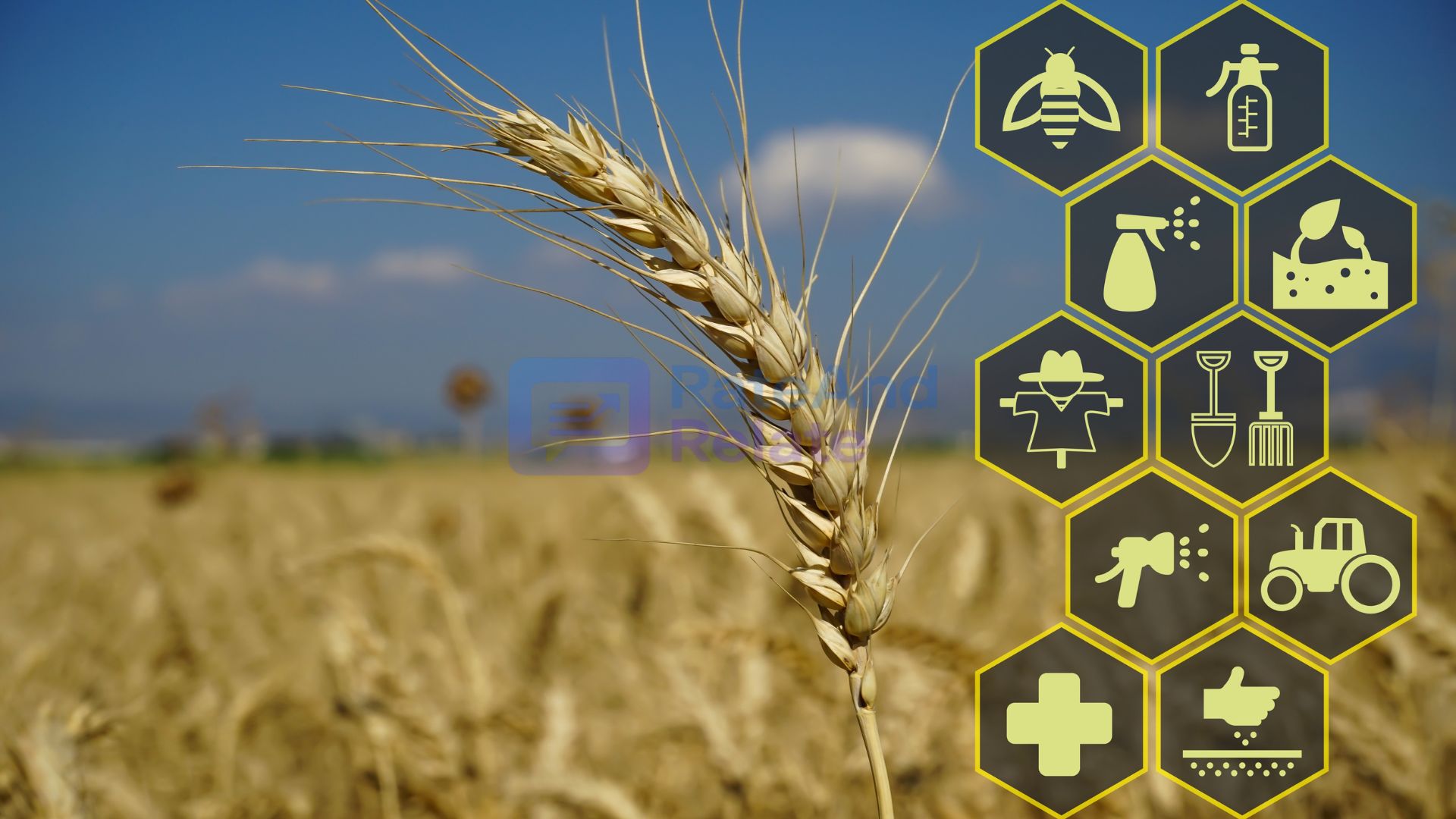

When I look at modern agriculture today, it honestly feels like a system standing at a crossroads. On one side, we have chemical-dependent farming built around synthetic fertilizers, pesticides, and high-yield inputs. On the other, we see ecological farming, which focuses on soil health, biodiversity, and natural processes. In my opinion, both approaches were created with food security in mind, but their long-term impacts are very different.
Actually, the real question isn’t which system produces more food in one season—but which one can sustain farming for generations.
How Agriculture Became Chemically Dependent
Chemical inputs entered agriculture at a time when food shortages and population growth demanded urgent solutions. Synthetic fertilizers dramatically increased yields, and pesticides reduced crop losses. From my perspective, this shift was necessary and even revolutionary at that stage.
However, over time, these inputs stopped being tools and became habits. Continuous chemical use led to soil degradation, reduced fertility, pest resistance, water pollution, and growing health concerns for both farmers and consumers. What once solved a problem slowly started creating new ones.
What Ecological Farming Tries to Do Differently
Ecological farming works with nature rather than trying to overpower it. Practices like crop rotation, composting, mixed cropping, and biological pest control aim to strengthen natural systems. I personally see this approach as a long-term investment rather than a quick fix.
Instead of chasing maximum yields every season, ecological farming prioritizes resilience—healthier soils, better water retention, and reduced dependence on external inputs. Actually, this mindset shift is what separates it most clearly from conventional methods.
Productivity vs Sustainability: A Bigger Picture
One common argument I hear is that chemical farming produces higher yields. And honestly, in the short term, that’s often true. Ecological systems, especially during transition periods, can show slightly lower output.
However, when productivity is measured over decades rather than a single harvest, the picture changes. Long-term studies increasingly suggest that ecological farming can match conventional yields while improving soil health and lowering costs. In my opinion, sustainability is part of productivity—it just takes longer to show up.
The Economic Reality for Farmers
From what I’ve observed, chemical-dependent farming ties farmers closely to market prices. Rising costs of fertilizers, pesticides, and seeds increase financial pressure, and profit margins often shrink.
Ecological farming, however, reduces reliance on expensive inputs. It does demand more knowledge and careful management, especially in the beginning. But actually, over time, it offers more stability—something small and marginal farmers need the most.
Environmental and Health Impacts That Can’t Be Ignored
Chemical agriculture has clear environmental costs. Soil erosion, groundwater contamination, biodiversity loss, and greenhouse gas emissions are no longer abstract concerns—they’re visible realities.
Ecological farming takes a different path. By improving soil organic matter and reducing chemical runoff, it supports healthier ecosystems and better climate resilience. In my opinion, this makes it far more aligned with long-term environmental goals.
Where Ecological Farming Still Struggles
That said, ecological farming isn’t perfect. It requires strong extension services, farmer education, and supportive policies. Scaling it across large populations and diverse climates is complex.
Market access and certification also remain hurdles. However, I believe these challenges are structural, not conceptual—and they can be addressed with the right support.
A More Practical Way Forward
Framing this debate as “chemicals versus ecology” feels oversimplified to me. Actually, the future likely lies in reducing chemical dependency while applying ecological principles wherever possible.
Smarter input use, soil regeneration, diversified cropping systems, and farmer-centered innovation can help bridge the gap between productivity and sustainability.
Final Thoughts
Chemical-dependent farming played a crucial role in achieving food security when it was urgently needed. However, its long-term ecological and economic costs are becoming harder to ignore.
Ecological farming offers a more resilient and sustainable direction, even though it demands patience and systemic change. In my opinion, the real challenge isn’t choosing one side—it’s redesigning agriculture so it feeds people without weakening the ecosystems it depends on.


1 Comment
tlover tonet
You could definitely see your enthusiasm in the work you write. The world hopes for even more passionate writers like you who aren’t afraid to say how they believe. Always follow your heart.