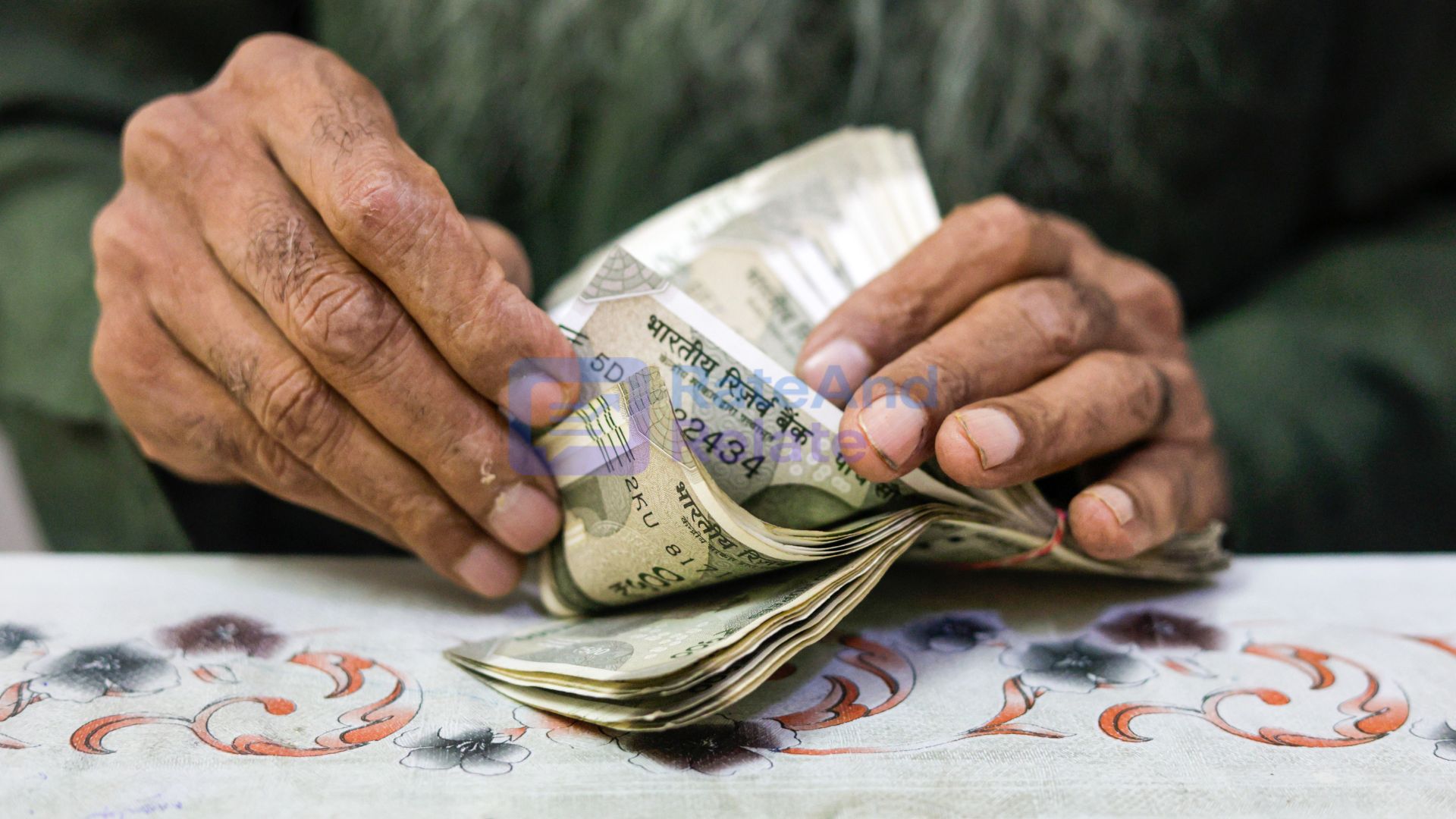

The Indian rupee continued its recovery trend in early trade, appreciating by 22 paise against the US dollar. In my opinion, this reflects not only improved market sentiment but also the influence of supportive global cues. Actually, the domestic currency opened stronger amid easing pressure from the dollar index and steady foreign fund inflows.
Factors Driving the Rupee’s Gains
Currency traders attribute the rupee’s rise to several factors. I think the softening US dollar, lower crude oil prices, and expectations of macroeconomic stability have played key roles. The dollar index, which measures the greenback’s strength against major currencies, showed signs of moderation — providing relief to emerging market currencies like the rupee.
Another significant driver, in my opinion, has been foreign institutional investor (FII) activity. Improved risk appetite in global markets encouraged selective inflows into Indian equities and debt, helping stabilize the currency. Additionally, optimism around India’s economic growth prospects and controlled inflation levels boosted investor confidence.
Caution in the Market
However, market participants remain cautious. I believe import-related dollar demand and lingering global uncertainties — such as geopolitical tensions and upcoming policy signals from major central banks — could limit sharp gains. From my perspective, analysts are right to suggest that the rupee may trade within a narrow range in the near term, closely tracking global cues, crude oil prices, and capital flows.
The Bigger Picture
Overall, the rupee’s appreciation signals short-term resilience and reflects improved sentiment in the currency market. Actually, I think sustained recovery will depend on consistent foreign inflows, stable commodity prices, and supportive global financial conditions. While the recent gains are encouraging, investors and traders should continue to monitor both domestic and global developments carefully.