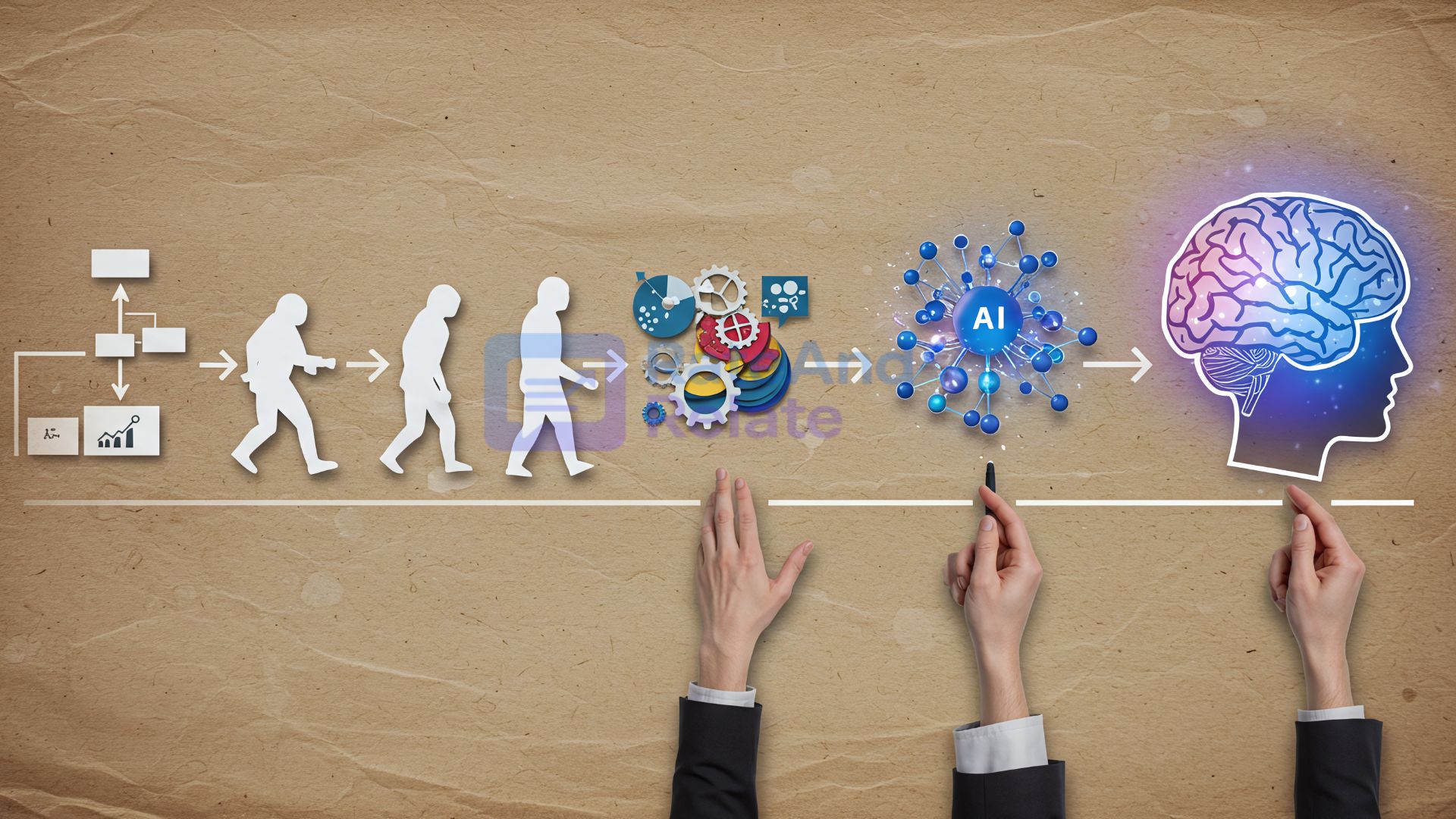

As artificial intelligence continues to reshape industries and workplaces globally, the question of what uniquely human skills will remain essential has become increasingly urgent. The Indian Institute of Management Bangalore (IIMB) addressed this topic in a recent virtual panel hosted by its Centre for Software and Information Technology Management (CSITM), titled “The Work We Keep: What Will Still Be Human in a Future Led by AI and Machines.”
The Need for Human-Centric Thinking
The panel convened experts in technology, management, and human resources to explore how humans can retain critical roles in a rapidly automated world. The discussion emphasized that while AI can handle repetitive, data-intensive, or predictive tasks, certain qualities—empathy, creativity, ethical judgment, and complex problem-solving—remain inherently human.
“We need to understand which aspects of work can be automated and which must remain human,” the panelists noted. “AI can augment human decision-making, but it cannot replicate values, intuition, or emotional intelligence.”
Key Insights from the Panel
- Emotional Intelligence Matters More Than Ever
AI may optimize processes, but human empathy and interpersonal skills remain essential for leadership, client relations, and collaboration. - Ethical Reasoning is Irreplaceable
Decisions involving morality, fairness, or societal impact require human oversight. Panelists highlighted the importance of embedding ethical frameworks into AI-assisted workflows. - Creativity and Innovation
While AI can generate ideas or mimic styles, genuine creativity—crafting entirely new concepts, products, or strategies—requires human imagination. - Critical Thinking and Complex Problem Solving
Humans can navigate ambiguity, evaluate multiple perspectives, and adapt to unexpected challenges—capabilities AI still struggles to fully replicate. - Adaptability and Lifelong Learning
The panel stressed the importance of upskilling and reskilling to complement AI technologies. Those who can learn continuously and adapt to changing roles will thrive in the AI-driven future.
Preparing for the Future
Panelists encouraged organizations to rethink workforce strategies, focusing on human-AI collaboration rather than competition. AI should be seen as a partner that frees humans from routine tasks, allowing them to focus on higher-level decision-making and creativity.
Educational institutions were also urged to integrate human-centric skills into their curricula—ensuring students are not only tech-literate but also adept at emotional intelligence, ethical judgment, and complex problem-solving.
The IIM Bangalore panel underscored a simple but powerful message: as AI advances, the human touch becomes more valuable, not less. Emotional intelligence, ethical reasoning, creativity, and adaptability will define the roles humans play in an increasingly automated world. By embracing these strengths, individuals and organizations can ensure that the AI-driven future is not only efficient but also ethical, innovative, and human-centered.