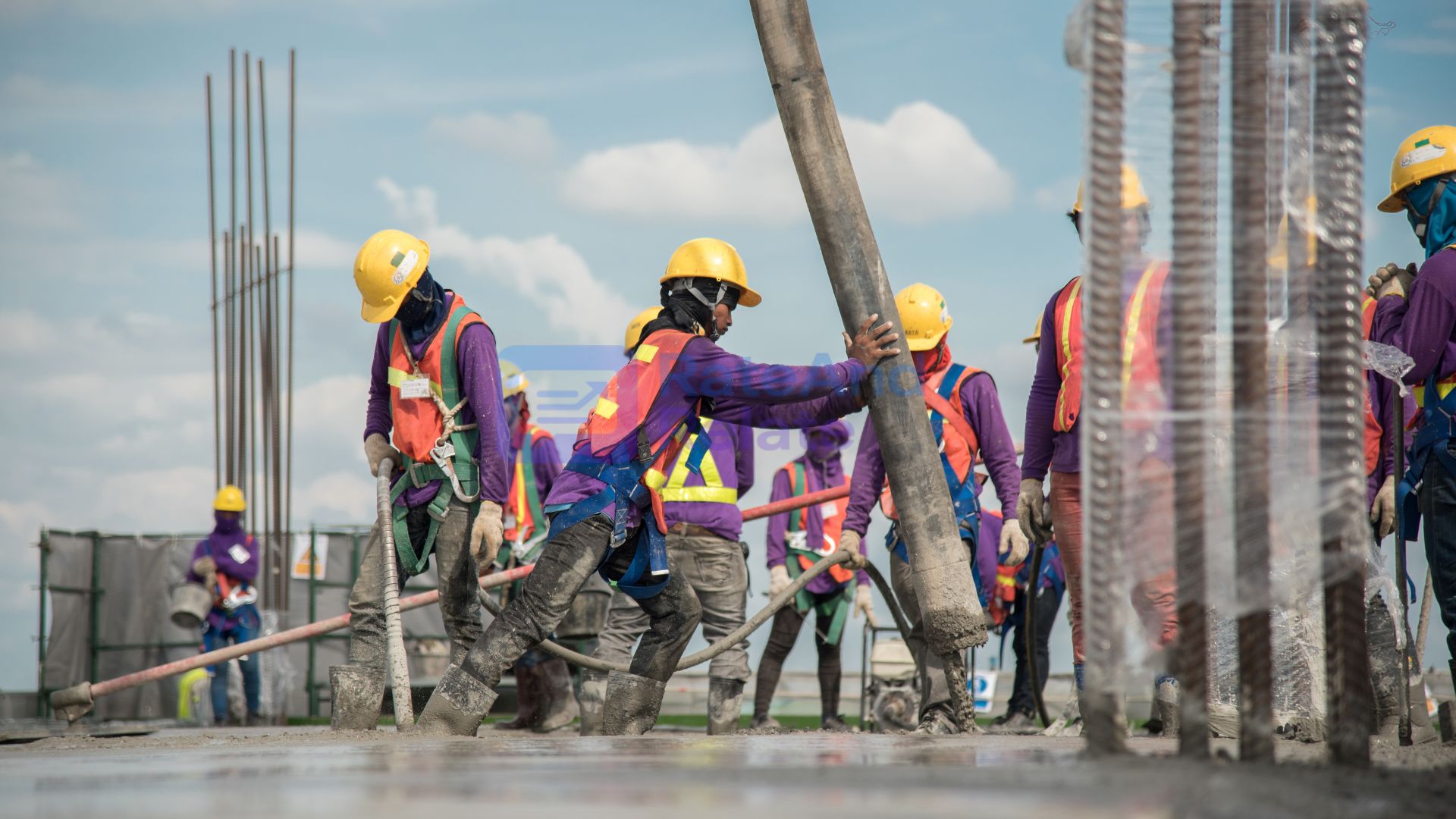

India has entered a new era of labour reform with the Union government officially notifying rules under the four Labour Codes, bringing several long-awaited changes into immediate effect. These reforms aim to modernize the job market, protect workers’ rights, boost formalization, encourage investment, and simplify compliance for industries.
The four codes—Wages, Industrial Relations, Social Security, and Occupational Safety, Health & Working Conditions (OSHWC)—consolidate 29 existing labour laws into a cleaner, simpler framework.
Below is a breakdown of what has changed and why it matters.
1. National Minimum Wage for All Workers
A key feature of the new Labour Codes is the implementation of a nationwide minimum wage, applicable to every worker, regardless of sector or region.
What’s new?
- Earlier, minimum wages differed across sectors and states.
- Now, the central government sets a floor wage, below which no state can fix its minimum wage.
- States can still set higher wages, but the floor wage creates a uniform, fair baseline.
Why it matters
- Protects migrant and unorganized workers.
- Prevents exploitation due to regional wage disparities.
- Aims to increase compliance, transparency, and worker welfare.
2. Gratuity After 1 Year (Instead of 5 Years)
One of the most progressive changes affects fixed-term employees.
What’s new?
- Fixed-term workers can now receive gratuity after just 1 year of continuous service.
- Previously, gratuity required a minimum of 5 years of service.
Impact
- Encourages companies to hire more fixed-term workers legally instead of via informal contracts.
- Offers financial security to millions working on short-term or project-based jobs.
- Particularly beneficial in sectors like IT, manufacturing, e-commerce, education, and gig-style employment.
3. Simplified Compliance for Employers
The government aims to boost “Ease of Doing Business” by reducing the complexity of labour laws.
Key changes
- Single registration and single license instead of multiple permits.
- Less paperwork and digitized compliance.
- Grievance redressal mechanisms strengthened.
- Faster dispute resolution under Industrial Relations Code.
Industry advantage
- Lower compliance cost.
- More predictability in hiring and operations.
- Support for MSMEs, which often struggle with regulatory overburden.
4. Social Security Extended to Gig & Platform Workers
For the first time in India’s labour history, gig and platform workers (delivery partners, ride-hailing drivers, freelancers) are included under Social Security Code.
Benefits include
- Access to welfare schemes.
- Accident insurance.
- Maternity and health benefits (to be expanded through future rules).
- Contribution-based models shared by platforms and government.
This reform acknowledges India’s booming gig economy and aims to bring these workers into the protective fold.
5. Stricter Safety Norms Across Workplaces
Under the OSHWC Code, occupational health and safety standards are modernized.
Key provisions
- Mandatory free annual health checkups in select industries.
- Protection for women in all working hours (with consent and safety measures).
- Stronger norms for hazardous industries like construction, mines, chemicals.
- Improved facilities for contract workers.
6. Impact on Employees
Positive outcomes
- Higher wage security.
- Easier benefits access.
- More job opportunities through fixed-term hiring.
- Better working conditions and social security.
Concerns
- Changes in PF, basic wage structure might temporarily reduce take-home salary.
- Employers may reorganize salary components to meet new threshold ratios.
7. Impact on Employers
Advantages
- Flexible hiring.
- Lower compliance burden.
- Clarity in industrial relations.
- Boost for formalization and productivity.
Challenges
- Increased cost due to social security contributions.
- Higher responsibility for workplace safety.
8. Why These Labour Codes Matter for India
India’s workforce is undergoing rapid transformation—gig work, remote jobs, automation, startups, and a growing service economy. The new labour codes attempt to:
- Make India a manufacturing and investment hub.
- Provide rights and dignity to workers.
- Improve industrial peace and reduce litigation.
- Increase formal employment and reduce informal sector exploitation.
These codes are one of the largest labour reforms since independence.
The new Labour Codes mark a critical turning point for India’s economy. They promise a more transparent, fair, and future-ready labour market. While implementation will take time and cooperation between states and industries, the long-term impact could reshape India’s workforce for the better.