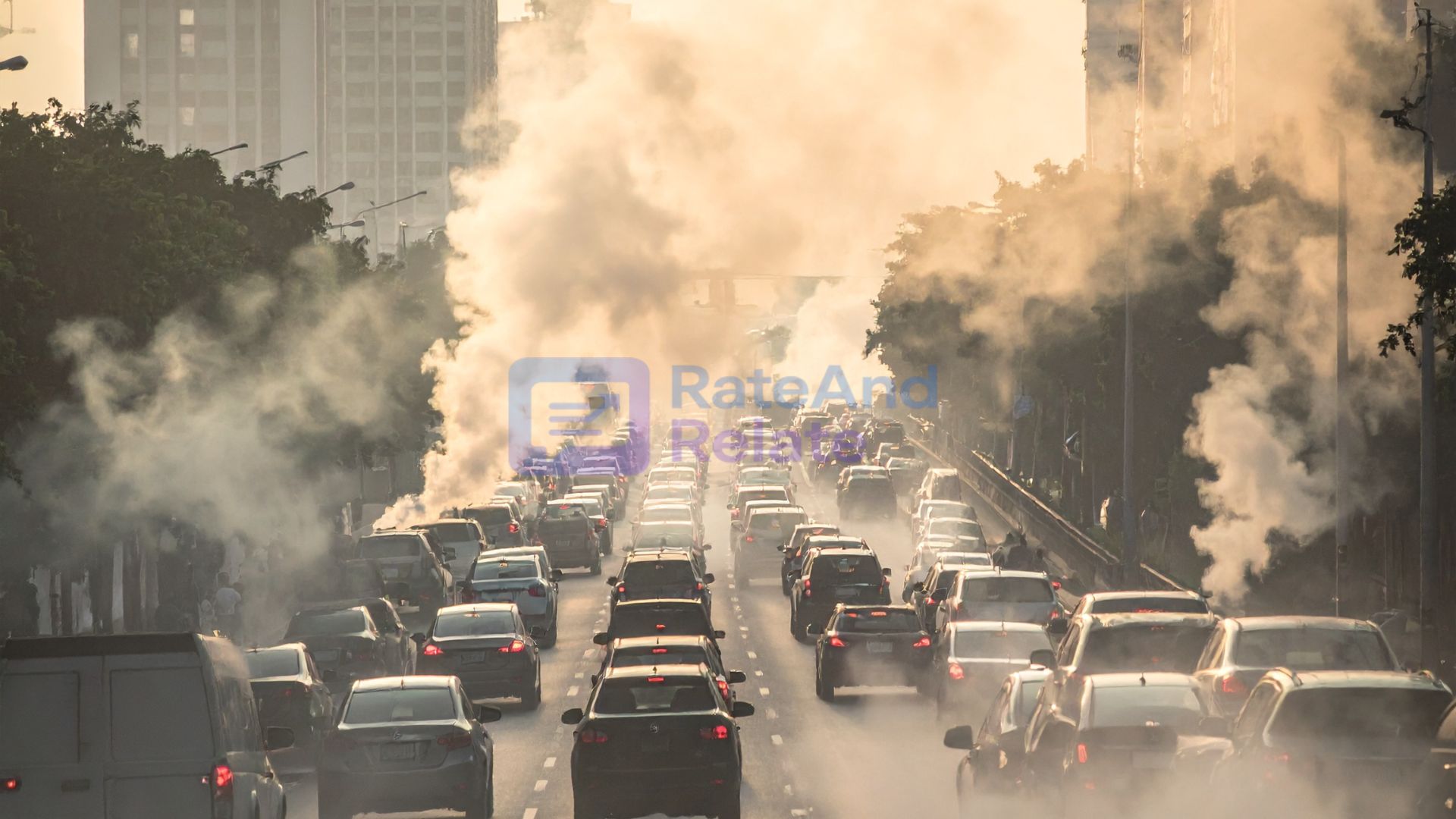

Every winter, I notice the same pattern—clear skies slowly turn grey, visibility drops, and cities begin to feel heavier to breathe in. Urban air pollution becomes most severe during the colder months, and in my opinion, this is not just a seasonal coincidence. It is the result of a complex interaction between emissions, weather patterns, and urban behavior.
Winter smog is not simply “bad air.” Actually, it reflects deeper structural challenges in how cities are designed, powered, and managed.
The Science Behind Winter Smog
Winter smog forms when pollutants such as particulate matter (PM2.5 and PM10), nitrogen oxides, sulfur dioxide, and volatile organic compounds accumulate close to the ground.
In my opinion, the most critical scientific factor behind this buildup is the temperature inversion. Normally, warm air near the surface rises and carries pollutants upward. However, during winter, a layer of warm air can trap colder air below it. This prevents vertical air movement and locks pollutants near ground level.
Lower wind speeds, weaker sunlight, and higher humidity worsen the situation. These conditions encourage chemical reactions that transform gases into fine particles, increasing harmful aerosol concentrations.
What strikes me most is how invisible these processes are—yet how dramatically they affect daily life.
Major Sources of Urban Winter Pollution
Pollution sources do not disappear in winter. In fact, they intensify at the same time atmospheric dispersion weakens.
Vehicular emissions remain a constant contributor, especially in traffic-congested cities. Residential heating adds another layer, particularly where coal, biomass, or wood are still widely used.
Industrial emissions and construction dust continue year-round. However, seasonal factors such as crop residue burning in surrounding regions can significantly raise pollution levels in nearby urban centers.
Festive fireworks during winter months often create short-term but extreme pollution spikes. I believe these temporary surges highlight how fragile urban air quality already is during colder periods.
Health and Economic Impacts
In my opinion, the most alarming aspect of winter smog is its health impact. Fine particulate matter penetrates deep into the lungs and can enter the bloodstream, increasing the risk of respiratory illness, heart disease, and premature mortality.
Children, older adults, and individuals with pre-existing conditions are particularly vulnerable. However, even healthy individuals may experience fatigue, irritation, and reduced lung function during prolonged smog episodes.
Beyond health, there are economic costs. Worker productivity declines, healthcare expenses rise, schools close temporarily, and transportation systems face disruptions due to low visibility. Actually, the financial burden of polluted air often remains underestimated in public discussions.
Why Winter Pollution Is Harder to Control
Unlike summer pollution—which may be partially mitigated by rainfall or stronger winds—winter smog tends to persist.
Short-term emergency measures such as traffic restrictions or temporary construction bans can provide brief relief. However, in my opinion, they rarely address the structural causes of pollution.
The persistence of smog reflects deeper issues:
- Dependence on fossil fuels
- Rapid urban expansion without sustainable planning
- Weak enforcement of emission standards
- Limited regional coordination
Pollution does not respect city or state boundaries, yet policies often remain fragmented.
Long-Term Solutions
If I look at the problem realistically, long-term solutions require systemic change rather than seasonal reactions.
Key steps include:
- Transitioning to cleaner transport systems
- Strengthening emission norms and enforcement
- Promoting renewable and clean heating solutions
- Expanding public transport and green urban spaces
- Encouraging regional cooperation across administrative boundaries
Equally important, in my opinion, is improving air-quality monitoring and public awareness. When citizens understand pollution levels and health risks in real time, they can adapt behavior more responsibly.
Conclusion
Winter smog is not merely a seasonal inconvenience—it is a visible symptom of deeper environmental and urban planning challenges. I believe it forces cities to confront uncomfortable questions about growth, energy use, and sustainability.
However, clean winter air is achievable. It requires long-term policy commitment, scientific understanding, and collective responsibility. In my opinion, the real challenge is not identifying solutions—it is aligning urban development with public health priorities before another winter arrives.