
The global automobile industry is in the middle of its biggest transformation in more than a century. However, I believe this is more than just a change in engines; it is a clash of philosophies.
At the heart of this change is a clear divide between Tesla, the electric-first disruptor, and traditional automakers. Actually, while both aim to shape the future of mobility, I find their visions—and strategies—to be strikingly different.
Tesla’s Software-First Revolution
In my opinion, Tesla never entered the market as a car company. They entered as a technology company that happens to build cars.
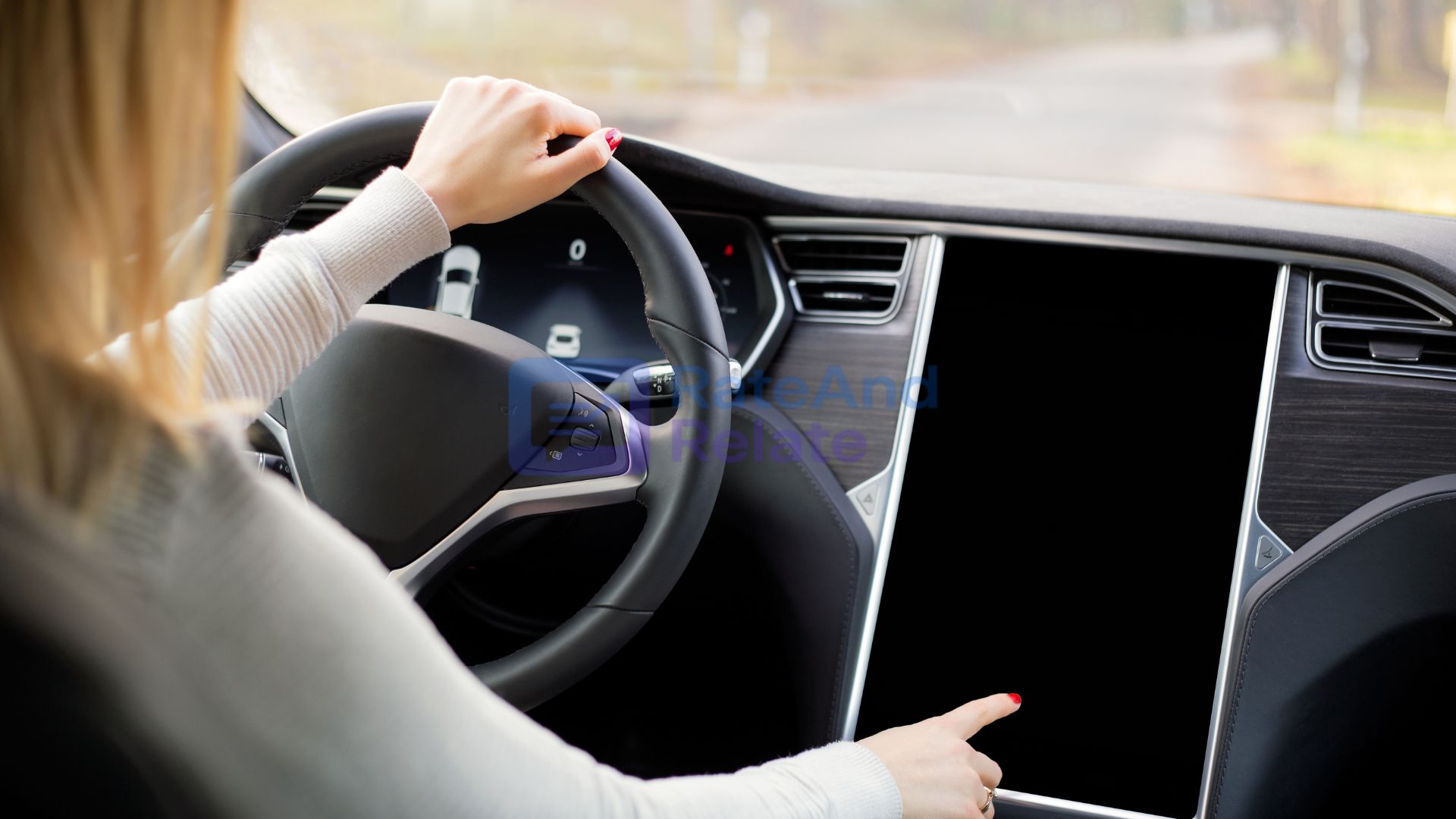
I rate their software-first approach highly. Their vehicles are designed around data and updates. I have noticed that over-the-air updates change how the car behaves much like a smartphone update—something traditional cars are only just starting to catch up with.
My view is that Tesla’s vertically integrated model sets it apart. By controlling everything from battery tech to the charging network, they allow for faster innovation cycles. For Tesla, the future isn’t just electric; it’s a digital device on wheels.
Traditional Automakers: Evolution Over Disruption
However, it would be a mistake to count out the giants. Legacy automakers like Toyota, Volkswagen, and Ford come from decades of engineering excellence. Actually, their approach to the future is more gradual, and I think that might be a smart move.
Instead of betting everything on one path, many traditional brands are pursuing multiple strategies—EVs, hybrids, and even hydrogen. I believe this flexibility helps them cater to real-world consumer readiness, rather than just forcing a transition.
Traditional automakers also emphasize build quality and dealer networks—areas where I feel they still hold a strong advantage over Tesla’s direct-to-consumer model.
Manufacturing: Speed vs. Scale
I have observed a fascinating battle in manufacturing. Tesla focuses on simplification and speed, using massive casting machines to reduce parts.
On the other hand, traditional automakers excel at scale. Actually, producing millions of vehicles annually with proven reliability is harder than it looks. The race is now about who can combine speed with scale more effectively.
Autonomy and AI: Different Confidence Levels
I have mixed feelings about the approach to autonomy. Tesla has taken an aggressive stance, rolling out features directly to consumers to gather real-world data.
However, traditional automakers tend to be more cautious. My impression is that they prioritize safety validation over public beta testing. This reflects a broader difference in mindset: Tesla pushes boundaries publicly, while legacy brands prefer incremental progress behind the scenes.
The Consumer Perspective
For buyers, this rivalry offers choice. From what I see, Tesla appeals to tech-savvy consumers who value minimalism and performance. Traditional automakers, however, attract those who prioritize comfort and heritage.
My Verdict
Despite their differences, I believe Tesla and traditional automakers are moving toward the same destination: cleaner mobility.
Tesla represents rapid disruption, while legacy brands embody large-scale transformation. My opinion? The future of the auto industry won’t be owned by just one vision. It will be shaped by the tension—and collaboration—between the two.