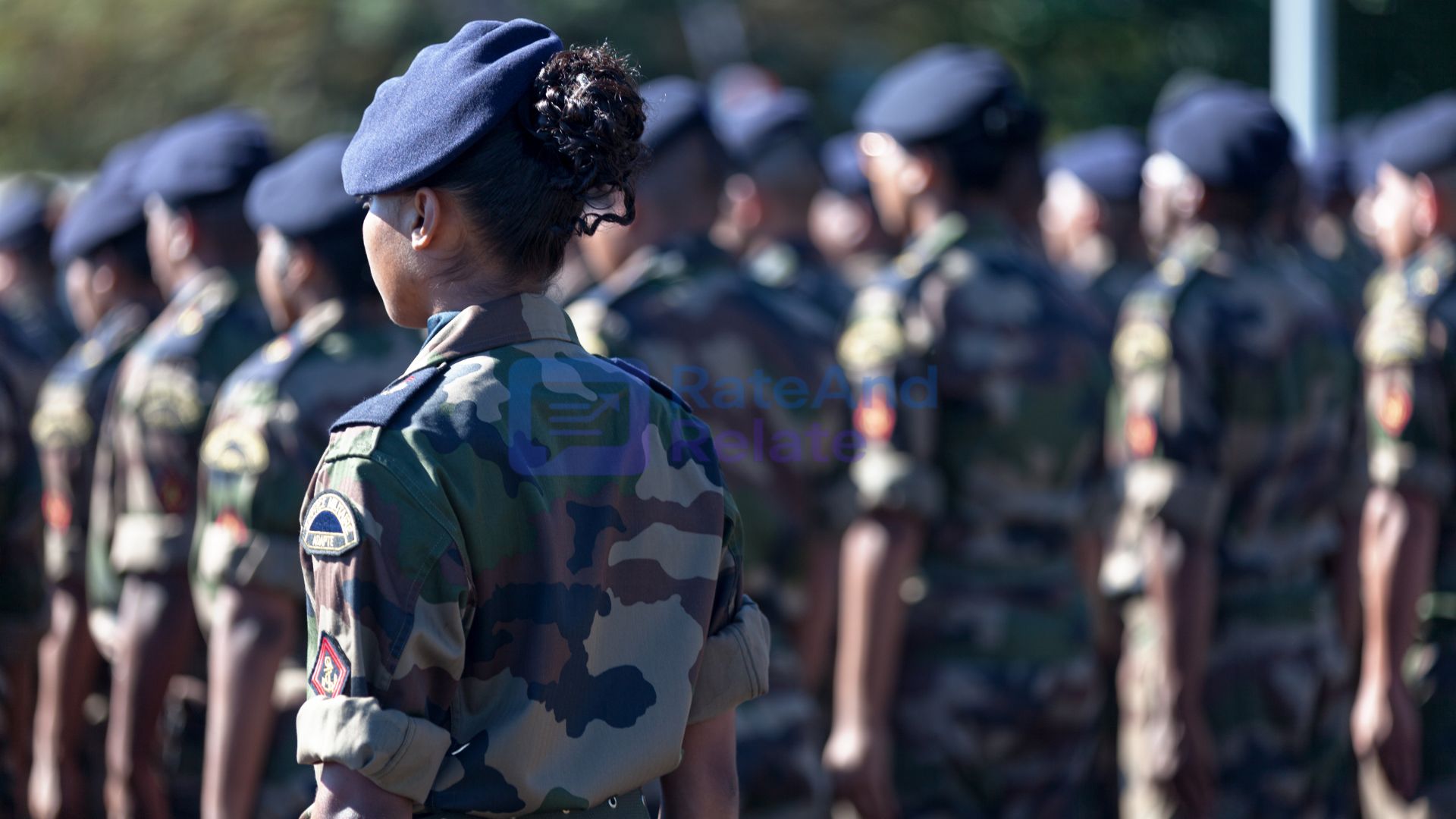

When I first read about the Indian Army’s updated social media guidelines, my immediate thought was this: Is this about restriction, or protection?
In today’s world, social media doesn’t just shape conversations — it shapes conflicts. In my opinion, the Army’s decision reflects a realistic understanding of how digital platforms influence security, perception, and even warfare itself.
The new guidelines allow personnel to view content on platforms like Instagram, Facebook, and X (formerly Twitter). However, they place strict limits on posting comments, opinions, or original content. Actually, I see this not as a digital ban, but as a strategic recalibration.
Why These Rules Were Needed
Social media has evolved into a powerful tool in information warfare. I believe many of us underestimate how even a small digital footprint can reveal patterns — location tags, timestamps, casual photos, or even seemingly harmless reactions.
Adversarial actors actively monitor public platforms. A single post can unintentionally reveal troop movements, operational readiness, or unit locations. Even “likes” and comments can create traceable behavioural data.
In my opinion, the Army isn’t reacting to fear — it’s responding to reality. Around the world, militaries have faced security breaches linked directly to social media activity. However harmless a post may appear, its consequences can be far-reaching.
What the Guidelines Allow
One aspect I appreciate is that the Army hasn’t imposed a total digital blackout.
Personnel are allowed to:
- View and consume social media content
- Stay updated on national and global developments
- Maintain digital awareness without active participation
Actually, this feels like a practical approach. Completely disconnecting soldiers from the digital world would neither be realistic nor beneficial. Awareness of public discourse and misinformation trends can even strengthen preparedness.
What Is Restricted — and Why It Matters
At the same time, firm boundaries have been set.
Personnel are restricted from:
- Posting comments, reactions, or personal opinions
- Sharing photos or videos related to service life
- Participating in online political or sensitive discussions
These rules apply even to private accounts and closed groups.
Some may view this as strict. However, in my opinion, military service operates under a different standard of responsibility. Discipline and confidentiality are foundational to operational effectiveness. Social media, by contrast, encourages instant expression and emotional reaction — values that don’t always align with military structure.
Security and Protection Go Hand in Hand
I also think these guidelines are not just about protecting national security — they’re about protecting soldiers themselves.
Online engagement can expose personnel to targeted propaganda, harassment, phishing attempts, or psychological manipulation. Limiting active participation reduces vulnerability to such digital threats.
In today’s environment, where information warfare is as strategic as physical combat, digital restraint becomes part of operational discipline.
A Global Shift in Military Policy
India is not alone in this direction. Militaries in the United States, the United Kingdom, and other European nations have strengthened Operational Security (OPSEC) guidelines related to social media.
In my view, this reflects a larger transformation in modern warfare. Control over information, narratives, and perception has become just as critical as physical defense capabilities.
Actually, one could argue that battles today are fought simultaneously on borders and on screens.
Civil-Military Responsibility in the Digital Age
Some critics may argue that such policies limit personal freedom. I understand that perspective. However, I also believe military service carries unique responsibilities.
Soldiers operate under a social contract where collective security takes precedence over individual expression. By allowing passive access while restricting active engagement, the Army seems to be choosing a middle path — preserving awareness while protecting institutional integrity.
To me, that feels like balance rather than restriction.
Final Thoughts
The Indian Army’s updated social media guidelines are, in my opinion, a thoughtful response to the realities of digital-age security.
Allowing personnel to stay informed while limiting public interaction strikes a deliberate balance between awareness and caution. As information warfare becomes more sophisticated, digital discipline becomes an extension of military vigilance.
Actually, in a world where a single post can carry strategic consequences, restraint is not weakness — it is responsibility.
And perhaps that is the true message behind these new guidelines.