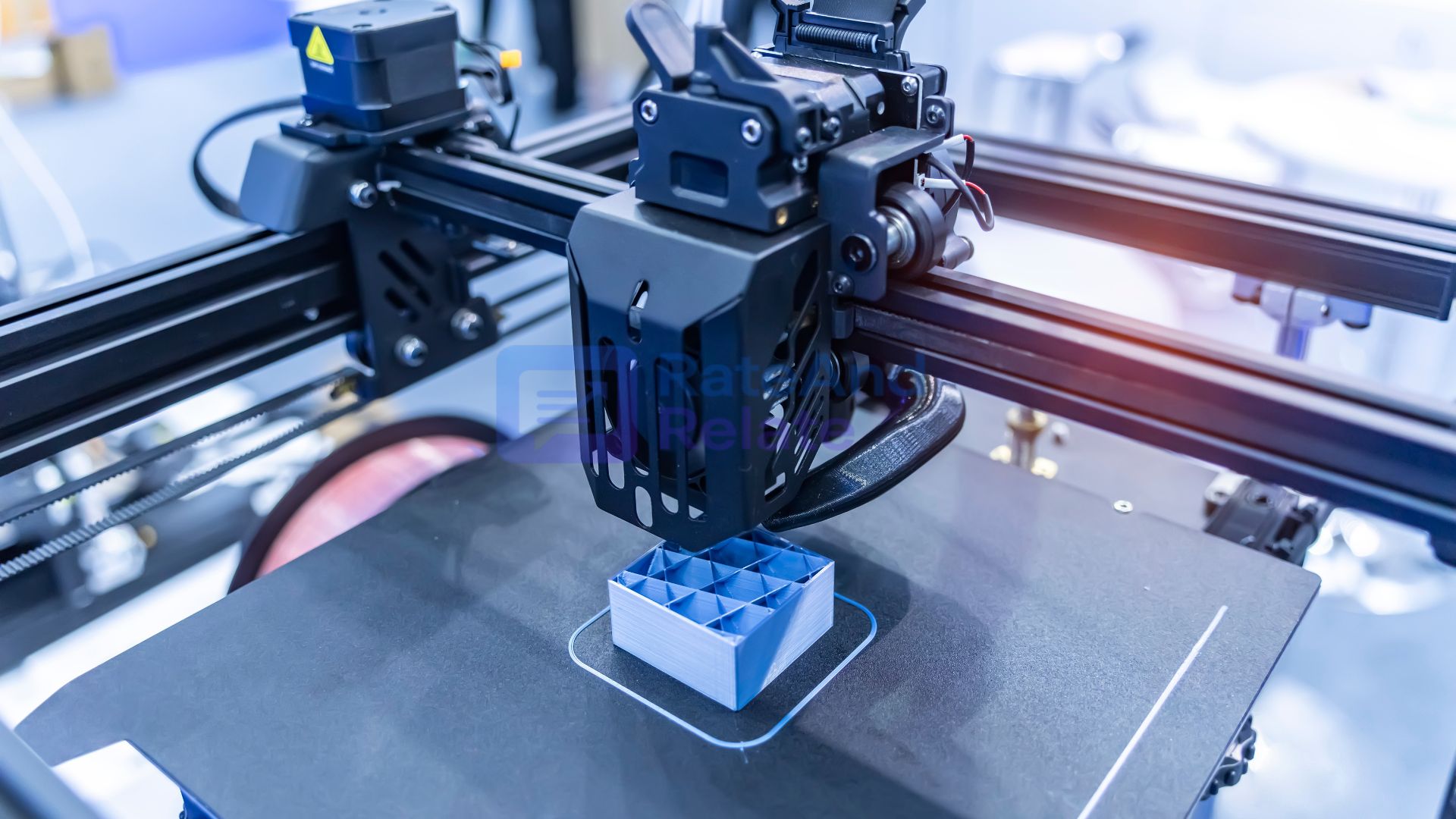

Global supply chains have ruled manufacturing for decades — raw materials sourced from one continent, assembled in another, and shipped across the world. But a quiet revolution is unfolding. Hyper-local manufacturing powered by 3D printing is emerging as a serious challenger to this system, offering faster production, lower inventory risk, and unprecedented customization.
This shift is not merely technological; it is deeply economic. Neighborhood-level 3D printing hubs — small local centers with advanced printers — are beginning to reshape how products are designed, produced, and delivered.
Why Hyper-Local Manufacturing Now?
For years, 3D printing was too slow and costly for mainstream production. But recent breakthroughs have changed that:
- Industrial-grade printers can now work with metals, ceramics, and bio-materials.
- AI-assisted design tools automate modeling and improve precision.
- Material science advancements have increased durability and lowered costs.
- Supply chain disruptions (pandemics, wars, trade tensions) pushed companies to rethink overdependence on foreign manufacturing.
As a result, companies and communities are experimenting with local production nodes that handle everything from spare parts to furniture.
Economic Advantages of Hyper-Local 3D Printing Hubs
1. Drastic Reduction in Logistics Costs
Transporting goods across oceans is expensive and vulnerable to shocks.
Local hubs allow production on-demand, saving:
- Shipping costs
- Warehousing expenses
- Customs duties
- Long lead times
Countries that import most consumer goods could see major savings.
2. Inventory Becomes Digital, Not Physical
Traditional supply chains require warehouses stocked with thousands of items.
With hyper-local manufacturing:
- Designs are stored in the cloud
- Items are printed only when needed
- Overstock & dead inventory nearly disappear
This “zero-inventory” model reduces working capital pressure for businesses.
3. Job Creation in New Skill Areas
Contrary to fears, local 3D hubs don’t eliminate jobs — they transform them.
New roles include:
- 3D printer technicians
- Material engineers
- AI-CAD designers
- Local manufacturing coordinators
Jobs shift from manual labour to high-skill, technology-driven roles.
4. Customization Becomes a Competitive Advantage
Mass production struggles to meet individual tastes.
Hyper-local production enables:
- Personalized furniture
- Custom-fit shoes or prosthetics
- Unique home décor
- On-demand spare parts tailored to older machines
This leads to higher consumer satisfaction and premium pricing opportunities.
5. Lower Environmental Footprint
Local 3D hubs help create a greener economy:
- Less transportation = fewer emissions
- Precise printing reduces material waste
- Recycled plastics and powders can be used as inputs
Circular manufacturing becomes easier when production is local.
Impact on Global Supply Chains
Hyper-local manufacturing disrupts the traditional “global → local” model.
1. Reduced Dependence on Manufacturing Giants
Countries heavily reliant on China or Southeast Asia for imports may gradually shift to domestic micro-factories.
2. Fragmentation of Supply Chains
Instead of one large factory, production spreads across thousands of local hubs.
This reduces risk but challenges traditional global trade patterns.
3. Shorter Product Life Cycles
Products can be updated, iterated, or redesigned instantly without shutting down entire production lines.
4. Local Governments Gain New Economic Power
Cities or neighborhoods with strong maker ecosystems attract entrepreneurs, creators, and innovators — becoming new micro-economic zones.
Challenges Ahead
Despite its potential, hyper-local manufacturing faces hurdles:
- High initial printer and material costs
- Need for skilled operators
- Quality control standardization
- Intellectual property risks (easy file sharing)
- Regulatory gaps for locally produced goods
But most experts agree these are transitional challenges, not barriers.
The Future: Distributed Manufacturing Ecosystems
The long-term vision is a distributed manufacturing economy where:
- Every neighborhood has a production hub
- Consumers co-create products with designers
- Designs flow digitally across regions
- Physical goods are printed locally within hours
Global supply chains won’t disappear — but they will evolve into hybrid systems balancing global efficiencies with local resilience.
The winners will be regions that invest early in digital infrastructure, training, and innovation ecosystems.
Hyper-local 3D printing hubs represent one of the most transformative shifts in modern economics. By moving production closer to consumers, they challenge decades of global manufacturing practices. The result? Faster delivery, lower costs, better customization, and more resilient economies.
As technology advances, this model could redefine everything from retail and healthcare to aerospace and urban development — marking the beginning of a new era:
Economy by the neighborhood, for the neighborhood.