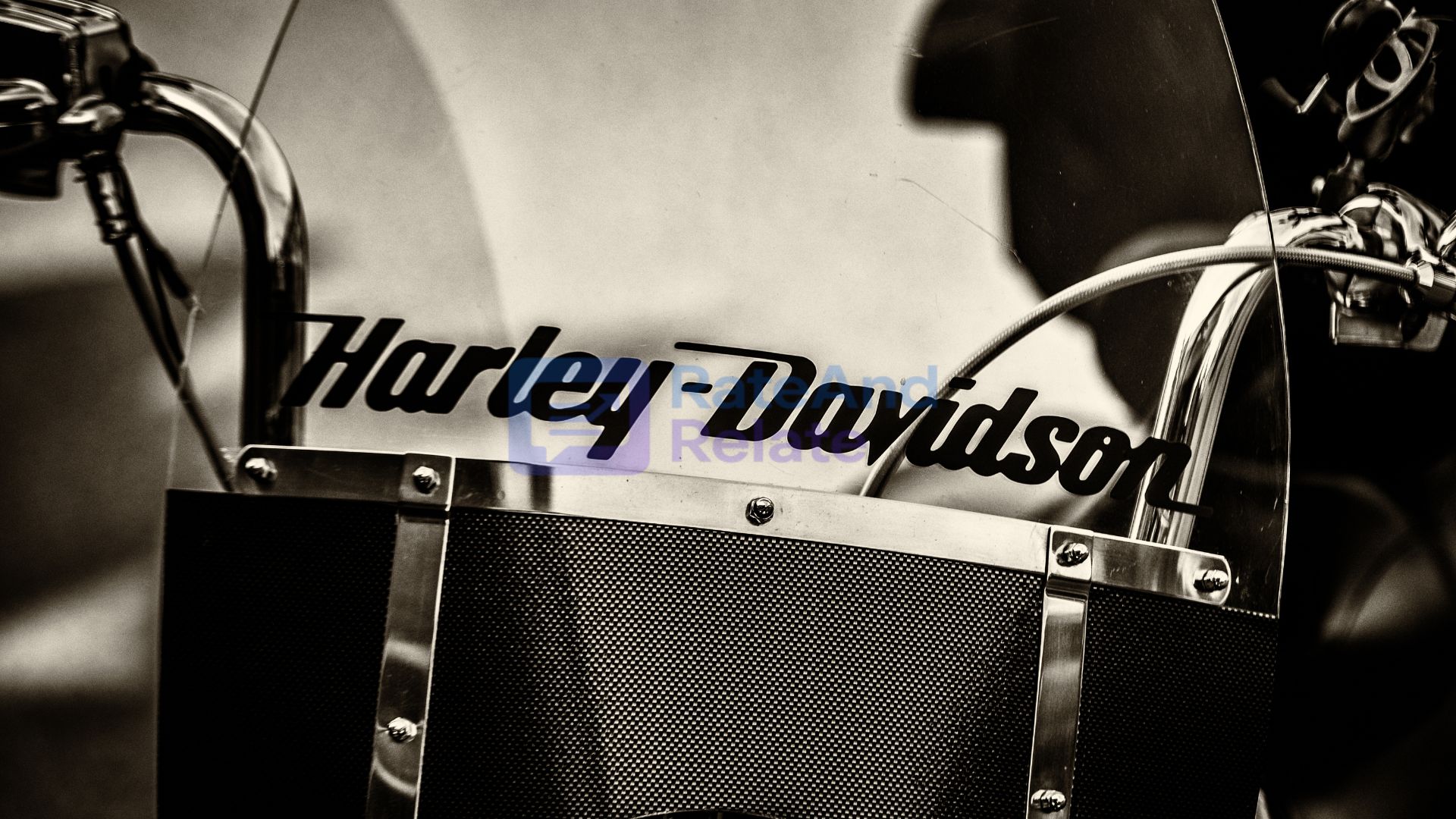

Harley-Davidson has announced a major leadership overhaul under its new CEO, signaling what I believe is one of the most important strategic resets in recent years. However, in my opinion, this isn’t just about changing executives—it’s about redefining how a legacy brand survives in a fast-evolving mobility world.
Actually, I see this move as a clear acknowledgment that heritage alone isn’t enough anymore. Even iconic brands must constantly reinvent themselves.
A New Leadership Structure for a New Era
At the center of the restructuring is the creation of a powerful new role: Chief Marketing & Technology Officer (CMTO). In my view, combining marketing and technology under one leader is a smart and necessary step.
The CMTO will oversee:
- Modernizing global marketing
- Integrating digital platforms with product and dealership strategy
- Using data to better understand customers
- Aligning branding across online and offline touchpoints
I personally believe this reflects a deeper truth: today, motorcycles aren’t sold only through engines and design—they’re sold through digital storytelling, personalization, and seamless experiences.
New Creative and Brand Leadership
The addition of a Chief Brand Officer also stands out to me. However, this isn’t just a cosmetic role. In my opinion, placing brand identity at the core of the turnaround strategy shows that Harley understands perception drives demand.
This role focuses on:
- Long-term brand positioning
- Creative direction
- Campaign consistency
- Cultural relevance
Actually, I think strong branding is what keeps a heritage company emotionally connected to both loyal riders and younger audiences.
Operational Leadership Strengthened
Harley-Davidson has also appointed a new Chief Operating Officer with experience in manufacturing and product development. I believe this signals a desire to speed up innovation while protecting craftsmanship.
Additionally, merging the Chief Financial Officer and Chief Commercial Officer roles suggests tighter alignment between finance, dealer relations, and retail strategy. In my opinion, that integration could help the company make faster, more commercially smart decisions.
A Blend of Heritage and Innovation
One of the most symbolic moves is bringing members of the founding Davidson family into ambassador and advisory roles. However, I don’t see this as nostalgia. I see it as strategic reassurance.
In my view, this balance between tradition and transformation is critical. Harley must innovate aggressively, but it cannot lose the rebellious, freedom-driven identity that built its cult following.
Why This Restructuring Matters
The motorcycle industry faces serious challenges:
- Rising electric mobility
- Changing consumer preferences
- Declining interest in heavyweight cruisers among younger riders
I genuinely think Harley’s restructuring acknowledges these realities. By building a leadership team that blends digital expertise, operational strength, and brand storytelling, the company is positioning itself for long-term relevance.
Actually, integrating marketing and technology at the executive level tells me that Harley understands something important: the future rider expects connectivity, personalization, and lifestyle engagement—not just horsepower.
The Road Ahead
In my opinion, the new CEO’s vision is clear—merge legendary heritage with modern execution.
If this strategy succeeds, I believe it could mark a powerful new chapter for Harley-Davidson. Not just as a motorcycle manufacturer, but as a global lifestyle and mobility brand.
However, execution will determine everything. Leadership reshuffles create potential—but only consistent delivery creates revival.
Still, I think this is one of the boldest steps Harley has taken in years. And sometimes, boldness is exactly what a legacy icon needs to stay alive in a changing world.