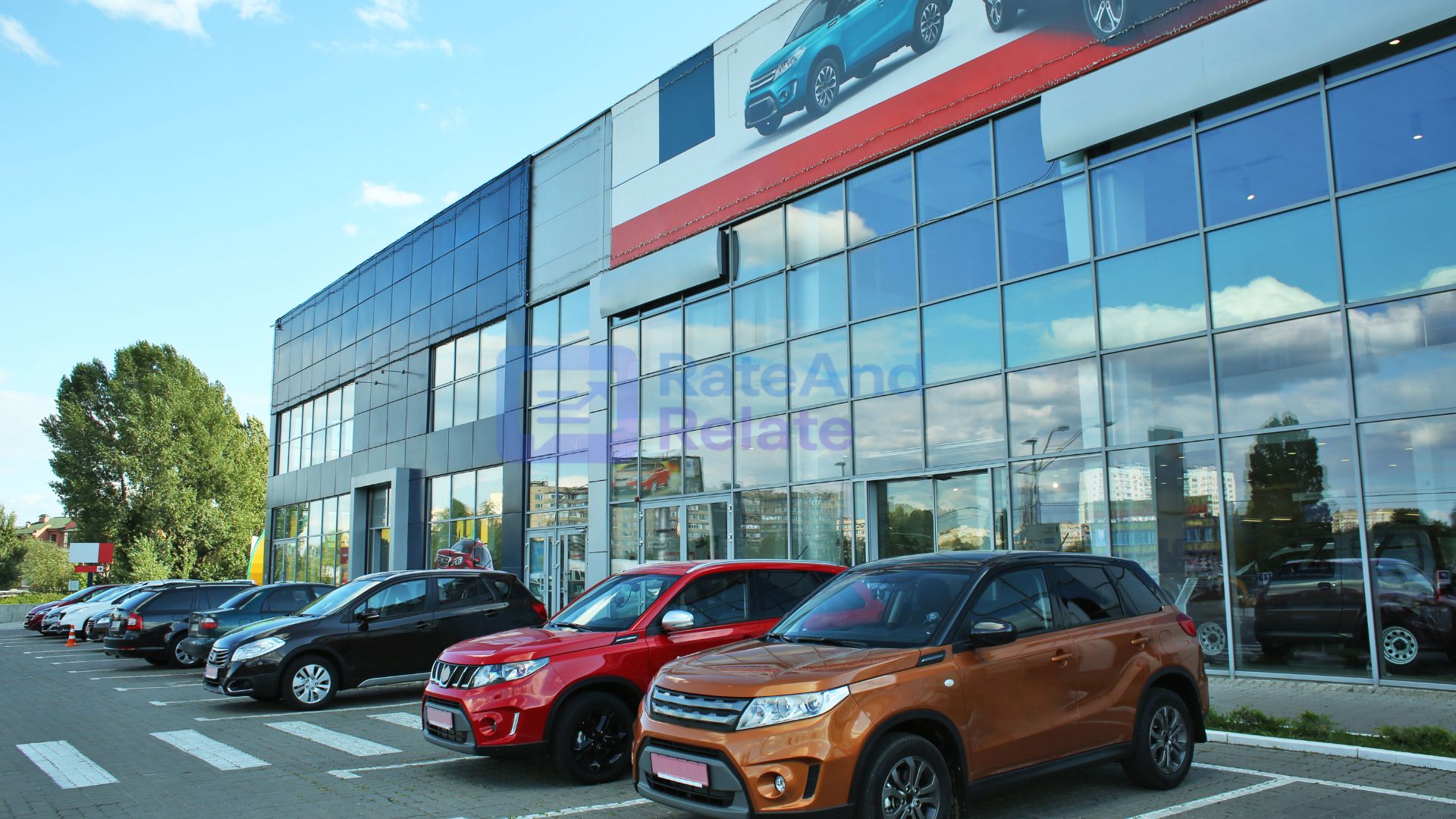

The Indian automobile industry is witnessing a powerful resurgence, driven by a decisive policy shift: significant reductions in Goods and Services Tax (GST) on automobiles. What began as a fiscal manoeuvre to stimulate consumer demand has quickly turned into a full-fledged market boom, with automakers ramping up production and dealerships recording their strongest footfalls in years.
A Policy Move with Immediate Impact
The revised GST structure—cutting rates across several vehicle categories—has translated into lower on-road prices, making cars visibly more affordable for middle-class buyers. As price sensitivity remains high in India’s automotive market, the reduction has unlocked pent-up demand that had been suppressed by inflation, high interest rates, and post-pandemic uncertainties.
Dealers across major cities report up to 25–40% surge in bookings. Popular compact SUVs, entry-level hatchbacks, and even EVs have seen renewed traction.
Automakers Gear Up: Production Ramps Up by 20–40%
Leading auto manufacturers are responding to demand with aggressive scaling:
- Increased production shifts
- Faster supply-chain realignment
- Optimised inventory to cut waiting periods
- Higher dealership allocations ahead of festive and year-end sales cycles
Several OEMs have already announced 20–40% increases in output to ensure supply meets the heightened demand.
This growth is particularly significant given that the auto sector contributes about 7% to India’s GDP and supports millions of jobs.
Why the GST Cut Matters Now
The timing of the tax reform is critical. Consumers were already leaning toward vehicle purchases due to:
- Rising incomes in urban areas
- Aspirational lifestyle upgrades
- Improved financing options
- Increased popularity of personal mobility post-COVID
However, high car prices had been a major deterrent.
The GST cut acted as the trigger that converted interest into actual sales.
For commercial vehicles too, lower GST is stimulating fleet expansion in logistics, construction, mining, and infrastructure—sectors that thrive on cost efficiency.
Ripple Effects Across the Economy
The car-sales boom is not limited to showrooms. It is reverberating through the broader economy:
1. Supply Chain Acceleration
Parts suppliers, tyre makers, casting units, and electronics manufacturers are reporting higher order flows.
2. Employment Boost
Temporary and permanent hiring is rising across factories, dealerships, and ancillary units.
3. Finance and Insurance Growth
Banks, NBFCs, and insurers are benefiting from higher auto loans and motor insurance policies.
4. Improved Consumer Sentiment
Automobiles are high-visibility purchases; strong sales often signal confidence in the economy’s direction.
Challenges Ahead: A Balanced View
Despite the upbeat environment, the sector faces some notable challenges:
- Potential supply-chain bottlenecks if demand continues to rise faster than production
- Pressure to maintain price stability once GST benefits stabilise
- Ensuring EV competitiveness, as tax cuts narrow the gap between EVs and ICE (internal combustion engine) vehicles
- Risks from global trade volatility, especially for imported components
The industry must navigate these carefully to sustain the momentum.
A Policy Success Story
The GST reduction has emerged as a textbook example of how strategic tax policy can stimulate industry growth. By making vehicles more affordable and encouraging large-scale consumer participation, the government has given the auto sector a timely and powerful boost.
For automakers, suppliers, lenders, and consumers, this phase marks the beginning of a high-growth cycle—one that could redefine India’s automobile landscape for years.