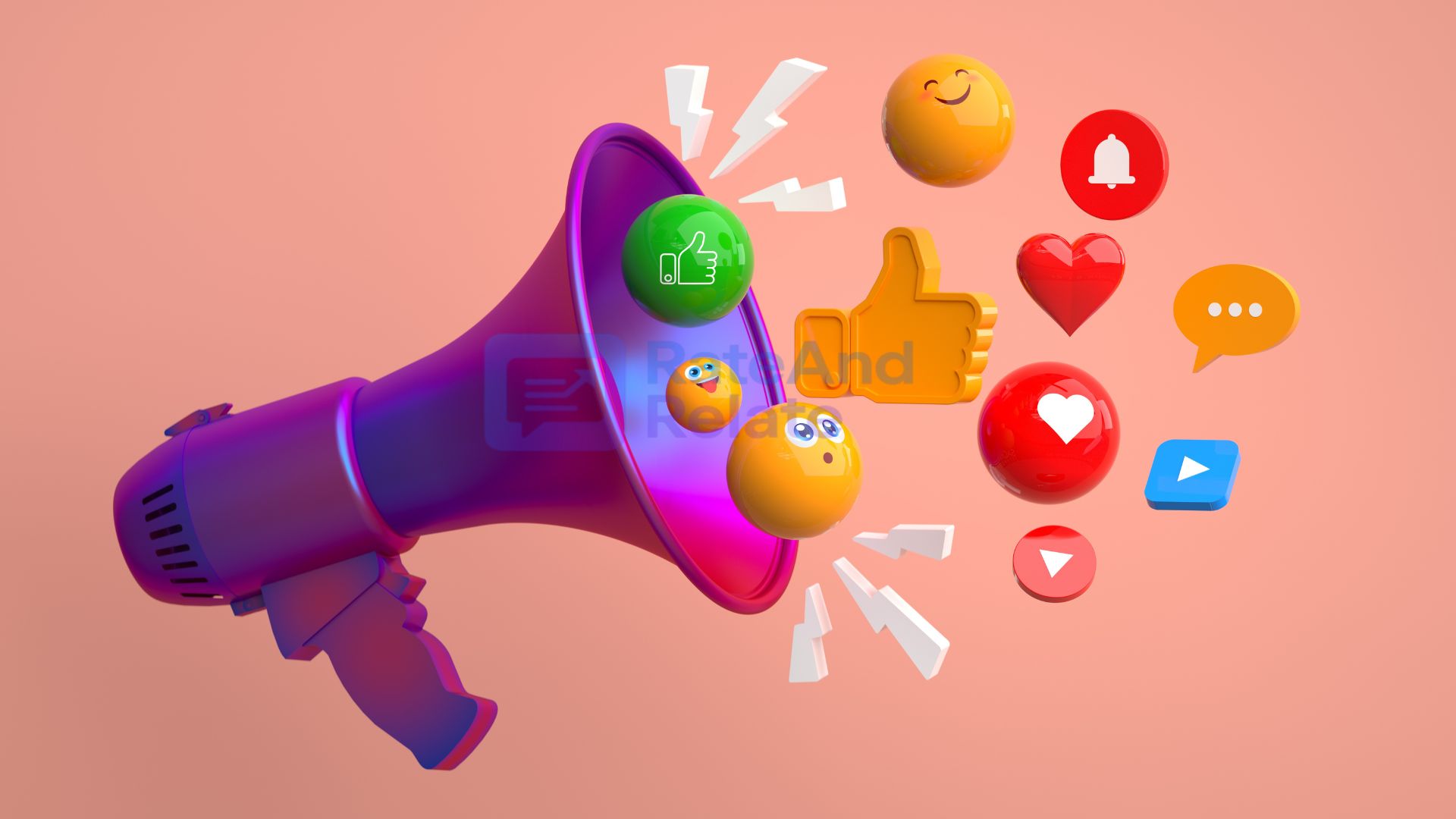

Social media has become one of the most powerful tools for businesses and creators to connect with audiences. But managing campaigns across multiple platforms — from content creation to scheduling, engagement, and analytics — can be overwhelming. This is where Artificial Intelligence (AI) steps in, transforming social media management from a time-consuming task into a streamlined, data-driven process.
Why AI Matters in Social Media Marketing
AI brings efficiency, insights, and personalization to campaigns that would be impossible to achieve manually at scale. It can:
- Analyze trends and audience behavior to optimize content.
- Generate high-quality visuals, captions, and hashtags.
- Automate posting and engagement across platforms.
- Measure performance and suggest improvements in real-time.
By leveraging AI, marketers can focus on strategy and creativity, while AI handles repetitive and data-intensive tasks.
Step 1: Planning Your Campaign with AI
The first step in any successful social media campaign is understanding your audience and content strategy. AI tools can help by:
- Audience Insights: AI platforms analyze follower demographics, interests, and online behavior to identify your target audience.
- Trend Analysis: AI scans millions of posts, hashtags, and topics to spot emerging trends and viral content relevant to your brand.
- Content Suggestions: AI can recommend content types (images, reels, carousels, blogs) and optimal posting times based on audience engagement patterns.
Tools like AI-powered dashboards combine data from multiple social media platforms, providing a 360-degree view of your audience and content landscape.
Step 2: Automating Content Creation
AI can generate posts, captions, and even visuals tailored to your brand’s voice and audience preferences.
- Text Generation: AI tools create compelling captions, headlines, or ad copy in seconds.
- Visual Creation: Platforms using generative AI can design graphics, banners, and videos aligned with campaign themes.
- Hashtag Recommendations: AI analyzes trending hashtags and suggests the most effective ones to increase reach.
This automation reduces workload, ensures consistency, and frees your team to focus on higher-level strategy.
Step 3: Scheduling and Posting
Consistency is key in social media marketing. AI-driven scheduling tools can:
- Post automatically at peak engagement times for your audience.
- Manage multiple platforms simultaneously, from Instagram and LinkedIn to TikTok and Twitter.
- Adjust posting schedules dynamically based on real-time engagement metrics.
Automation ensures that your content reaches the right audience without manual intervention, saving time and reducing errors.
Step 4: Engagement and Community Management
AI doesn’t stop at posting — it can engage with followers intelligently:
- Chatbots and Automated Responses: AI can answer FAQs, provide product info, or guide users in real-time.
- Sentiment Analysis: Detect whether audience feedback is positive, neutral, or negative, and alert teams to respond accordingly.
- Influencer and Trend Monitoring: AI identifies key influencers and emerging topics for collaboration or engagement.
This allows marketers to maintain an active, responsive presence across channels without constant manual monitoring.
Step 5: Analytics and Optimization
One of AI’s biggest advantages is the ability to measure and optimize campaigns in real-time:
- Track likes, shares, comments, click-through rates, and conversions.
- Identify which content formats and posting times perform best.
- Generate reports with actionable insights for future campaigns.
AI continuously learns from campaign performance, helping marketers refine strategies and maximize ROI over time.
Challenges to Keep in Mind
While AI is powerful, it’s not a full replacement for human creativity and judgment. Some challenges include:
- Maintaining Authenticity: AI-generated content may feel robotic if not carefully edited.
- Bias in Recommendations: AI may favor content similar to previous trends, potentially limiting creativity.
- Privacy and Compliance: Ensure AI tools adhere to data privacy laws and platform regulations.
Combining AI efficiency with human insight produces the best results.
The Future of AI in Social Media Marketing
AI will continue to evolve, enabling hyper-personalized campaigns, smarter content suggestions, and predictive insights about audience behavior. Marketers who embrace AI can focus on strategy, creativity, and brand storytelling, while letting AI handle automation, optimization, and insights at scale.
AI is no longer a futuristic concept in social media marketing — it’s a practical tool for planning, creating, scheduling, engaging, and analyzing campaigns. By integrating AI into your workflow, businesses can save time, boost engagement, and make data-driven decisions that resonate with audiences.