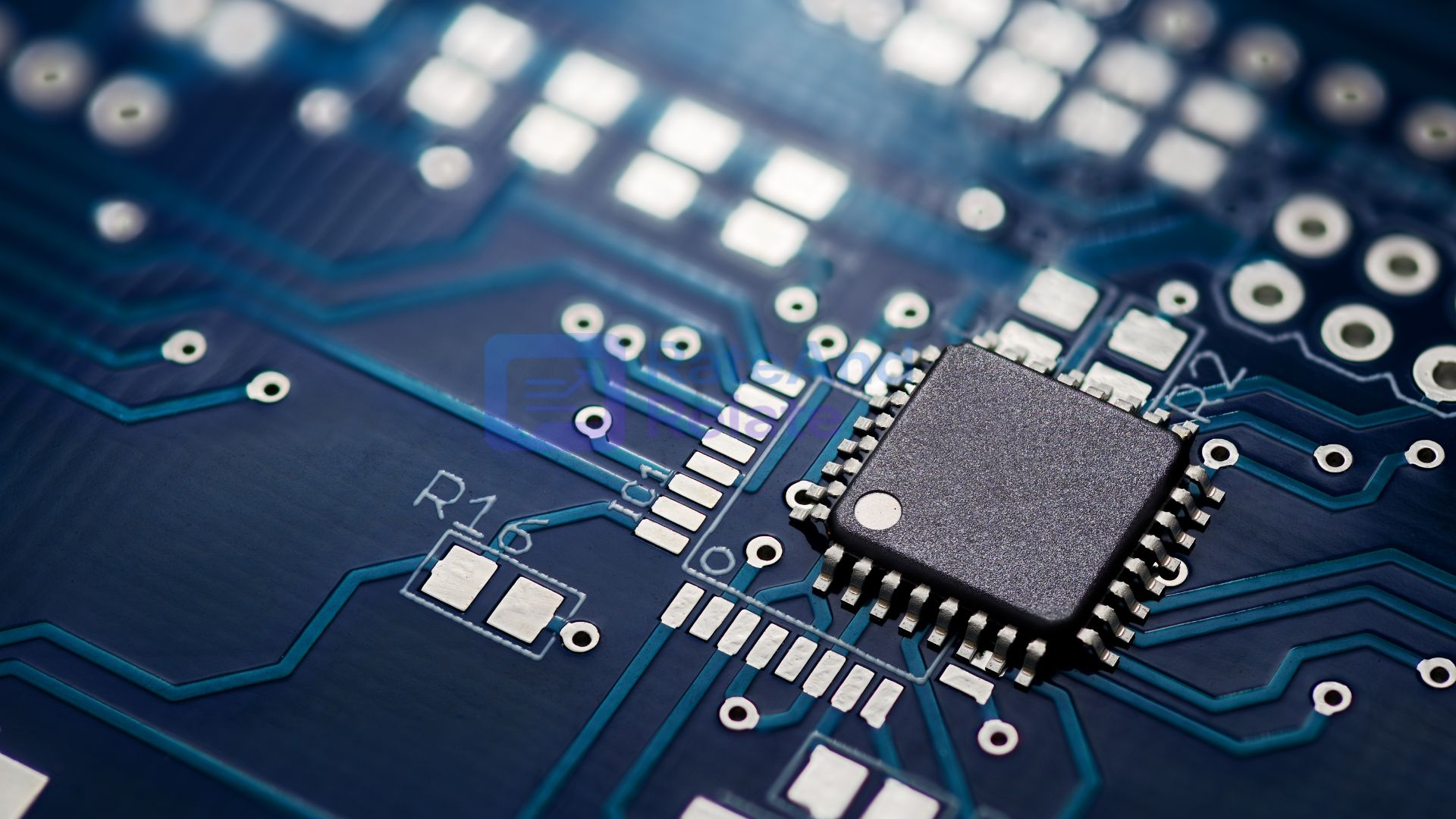

In an age where semiconductors power everything — from smartphones and cars to satellites and AI — India is racing to build its own silicon backbone. Once seen as a consumer of chips, the country is now determined to become a global manufacturing hub, turning its semiconductor dream into an economic and strategic priority.
The Silicon Push
The pandemic-era chip shortages exposed India’s heavy dependence on imports. Nearly 100% of the country’s semiconductor needs are sourced from abroad, mostly from Taiwan, South Korea, and China. Recognizing the vulnerability, the Indian government launched a $10 billion Semiconductor Mission, offering financial incentives and infrastructure support to attract global and domestic players.
This push isn’t just about technology — it’s about self-reliance and national security. Chips are the heart of modern innovation, and control over their production defines a nation’s economic resilience.
Building India’s Chip Ecosystem
Several major projects are already underway. Companies like Micron Technology are setting up large-scale packaging and testing units in Gujarat, while Tata Electronics has entered the semiconductor space with plans for a fabrication plant in Dholera. Collaborations with TSMC, Powerchip, and other global firms are being explored to build India’s first full-scale fab.
Meanwhile, homegrown startups are stepping in to design specialized chips for IoT, automotive, and defense sectors, signaling that innovation isn’t limited to multinationals.
Policy, Partnerships, and People
India’s advantage lies in its skilled engineering talent, vibrant startup ecosystem, and a rapidly growing electronics manufacturing base. The Production Linked Incentive (PLI) schemes and India Semiconductor Mission (ISM) are building the foundation for end-to-end chip design, fabrication, and packaging.
Educational institutions are also aligning courses to train the next generation of chip designers, ensuring a talent pipeline ready to fuel the industry’s long-term growth.
Global Relevance, Local Strength
Geopolitical shifts are pushing companies to diversify beyond East Asia, and India’s stability, scale, and ambition make it an attractive alternative. As nations pursue “China+1” strategies, India’s semiconductor vision aligns perfectly with global supply chain diversification goals.
The Road Ahead
Building a semiconductor ecosystem is no easy feat — it requires massive capital, advanced technology, and patience. But with consistent policy support, public-private collaboration, and global partnerships, India’s journey from “chip importer” to “chip innovator” has already begun.
The dream is big, the mission is bold — and if realized, India won’t just assemble electronics; it will power the world’s digital future.