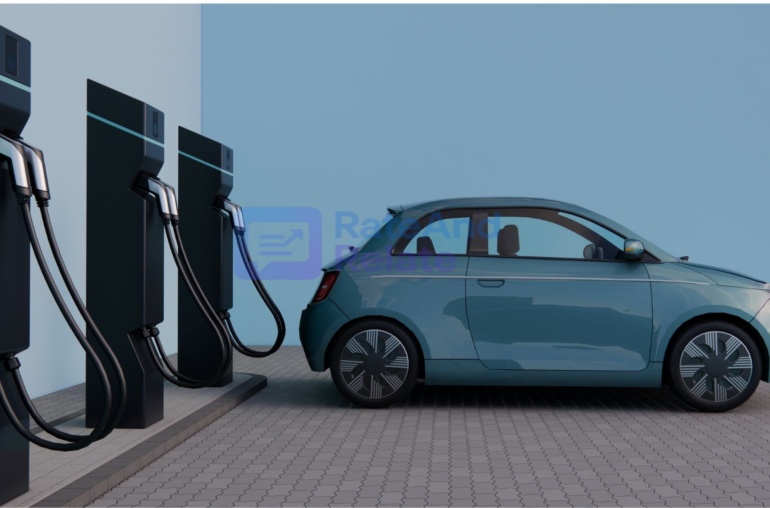

Choosing a new car in 2026 means navigating a rapidly changing landscape. In my opinion, buyers now have more choices than ever—but that also means more confusion.
Should you go for the safety net of a hybrid or jump straight into the deep end with an electric car? I have analyzed both sides, and here is my breakdown to help you decide.
What Are They?
Hybrid Vehicles (HEVs/PHEVs): I view hybrids as the “bridge” technology. They combine a traditional engine with an electric motor. Actually, plug-in hybrids (PHEVs) are my personal favorite for hesitant buyers because you can drive on electric power for daily commutes but still have a gas tank for long road trips.
Electric Vehicles (EVs): EVs run entirely on batteries. However, it’s not just about fuel; it’s about a lifestyle change. You trade the gas station for a charging plug, which requires a shift in habit.
Key Differences: What I’ve Noticed
- Running Costs: I have found that while hybrids are cheaper to run than standard cars, EVs are in a league of their own. Actually, skipping oil changes and gas stations adds up to massive savings over time.
- Driving Experience: Hybrids feel familiar. However, EVs offer instant torque that makes city driving incredibly fun. In my experience, once you feel that acceleration, it’s hard to go back.
- Refuelling vs. Charging: This is the biggest hurdle. With a hybrid, you refuel in 5 minutes. With an EV, I must admit, you need patience and planning, though fast chargers are changing the game.
Pros & Cons: A Clearer Look
Hybrid Cars
- The Good: I rate the “peace of mind” factor highly. There is absolutely no range anxiety. It is ideal for mixed city and highway driving.
- The Bad: However, you are still burning fossil fuel. And mechanically, you have two engines to maintain, which I think can lead to complex repair bills down the line.
Electric Cars
- The Good: Zero tailpipe emissions are great, but my favorite part is the low maintenance. Fewer moving parts mean fewer headaches. Plus, the performance is often superior.
- The Bad: Actually, charging infrastructure is still growing. Depending on where you live, finding a charger can still be a treasure hunt. And the upfront cost is higher, though incentives help.
Why 2026 Is a Turning Point
In 2026, I believe we are seeing a shift.
- Rapid Charging Expansion: I have noticed that charging networks in India and globally are finally becoming reliable.
- Falling Battery Costs: Actually, battery prices are dropping fast, making EVs more affordable than many realize.
Who Should Choose What?
Choose a Hybrid if:
- You drive long distances frequently (road warriors).
- In my opinion, if you live in an apartment without a charger, a hybrid is the smarter, stress-free choice.
- You want a smoother transition from petrol/diesel.
Choose an EV if:
- You have regular access to home charging. I cannot stress this enough: home charging changes everything.
- You care about long-term savings over upfront costs.
- You want the latest tech and performance.
Final Thoughts
Both hybrids and electric cars have their place in 2026. My verdict? Hybrids offer a practical stepping stone for those not ready to fully commit, while EVs represent the true future of mobility.
Ultimately, your choice depends on your lifestyle. However, regardless of what you pick, I am glad to see drivers moving toward cleaner, smarter transportation. It’s a win for your wallet and the planet.