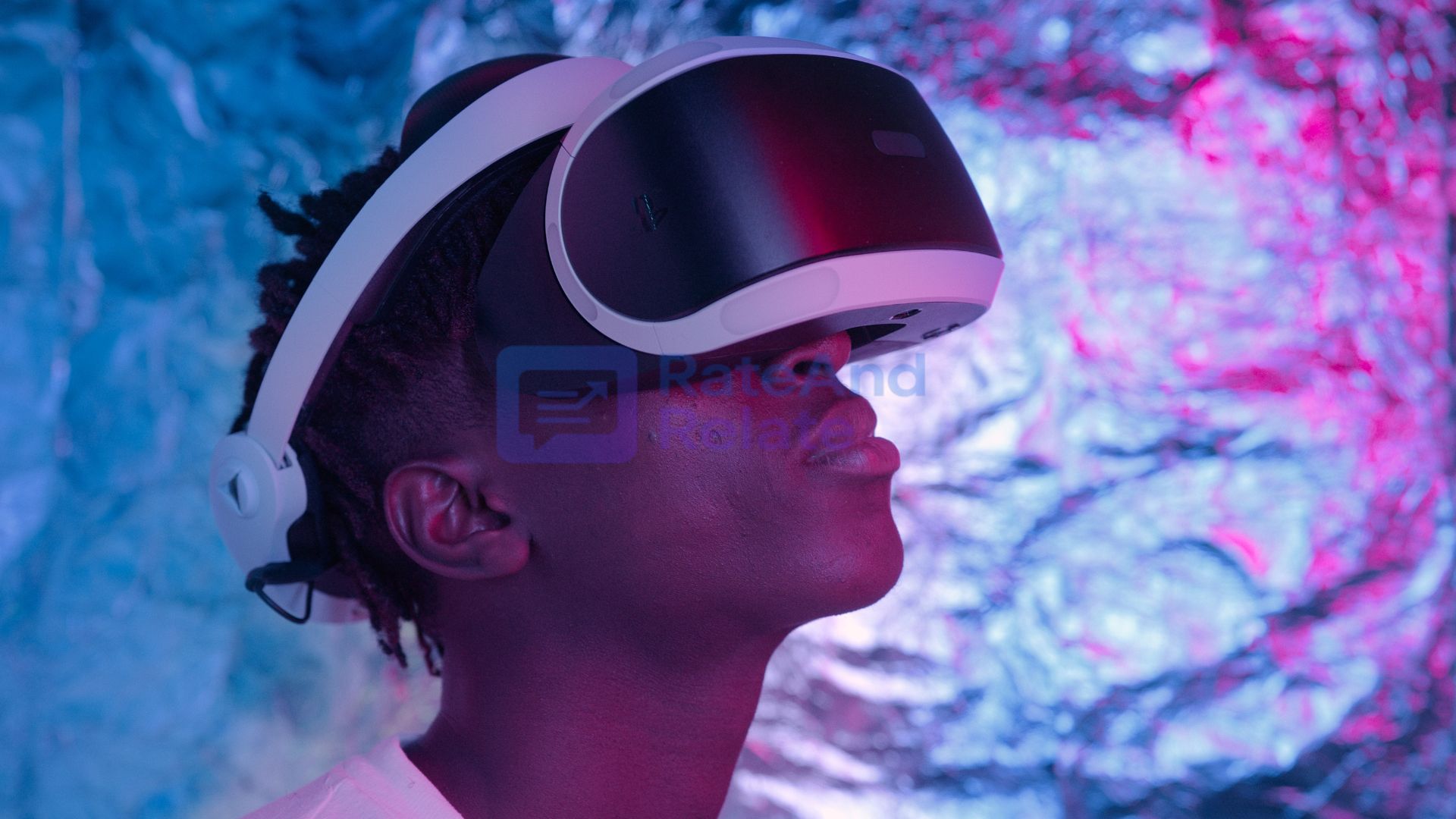

The travel industry is undergoing a quiet revolution—one that doesn’t require visas, airports, or even stepping out of your living room. Virtual tourism, powered by advancements in VR, AR, 3D mapping, and AI, is transforming how people experience destinations and make travel decisions. What started as a niche concept during the pandemic has now become a permanent part of global tourism.
The Rise of Virtual Tourism
Virtual tourism refers to digital experiences that let users explore destinations through immersive technologies. These include:
- VR headsets offering 360° tours of landmarks
- AR-enhanced museum experiences
- Metaverse-based destination replicas
- AI-generated travel simulations
From walking through the streets of Paris to diving into the Great Barrier Reef, virtual travel is no longer a futuristic dream—it’s mainstream.
Why Travelers Are Adopting Virtual Experiences
1. Accessibility for All
Virtual tourism removes physical, financial, and geographical limitations.
People with disabilities, elderly travelers, and students can now explore the world without barriers. It democratizes travel like never before.
2. A Pre-Travel Decision Tool
Consumers increasingly “test-drive” destinations before booking.
A virtual stroll through a resort or trekking route helps travellers decide where to spend their money. Hotels and airlines have started offering VR previews to boost conversions.
3. Cost-Effective Exploration
Not everyone can afford an international vacation, but virtual tourism provides a glimpse of the world at a fraction of the cost.
This isn’t replacing real travel—but making exploration more accessible.
4. Sustainability Boost
Virtual tours reduce the environmental impact caused by mass tourism—like overcrowding, carbon emissions, and habitat damage.
For eco-conscious travelers, it’s a guilt-free alternative or supplement.
How Virtual Tourism Enhances Real Travel
Virtual tourism isn’t competing with traditional travel—it’s complementing it. Here’s how:
1. Better Planning & Itinerary Design
Travelers now create smarter itineraries by exploring landmarks beforehand.
This reduces time wastage and enhances the real travel experience.
2. Cultural Pre-Immersion
AI-powered virtual guides help travelers learn the basics of local culture, etiquette, and language before visiting.
This leads to more respectful, informed, and meaningful interactions.
3. Enhanced Museum & Heritage Experiences
Many global museums now offer mixed-reality experiences:
Imagine visiting the Colosseum and using AR glasses to see how it looked 2,000 years ago.
Tourism boards are investing heavily in digital layers to enrich physical visits.
Opportunities for the Travel Industry
Virtual tourism is not a threat—it’s an opportunity.
- Hotels can showcase rooms through interactive 3D tours
- Airlines can offer VR-based in-flight entertainment archives
- Tour guides can create paid virtual experiences
- Countries can attract more tourists by offering digital “preview packages”
This hybrid model is becoming a business essential.
Will Virtual Tourism Replace Traditional Travel?
No. Virtual tourism can augment, but never replace, the emotional richness of real travel.
Walking on a beach or tasting street food cannot be digitized.
But virtual experiences make global exploration more inclusive, informed, and sustainable.
The future is phygital—a blend of physical journeys and digital immersion.