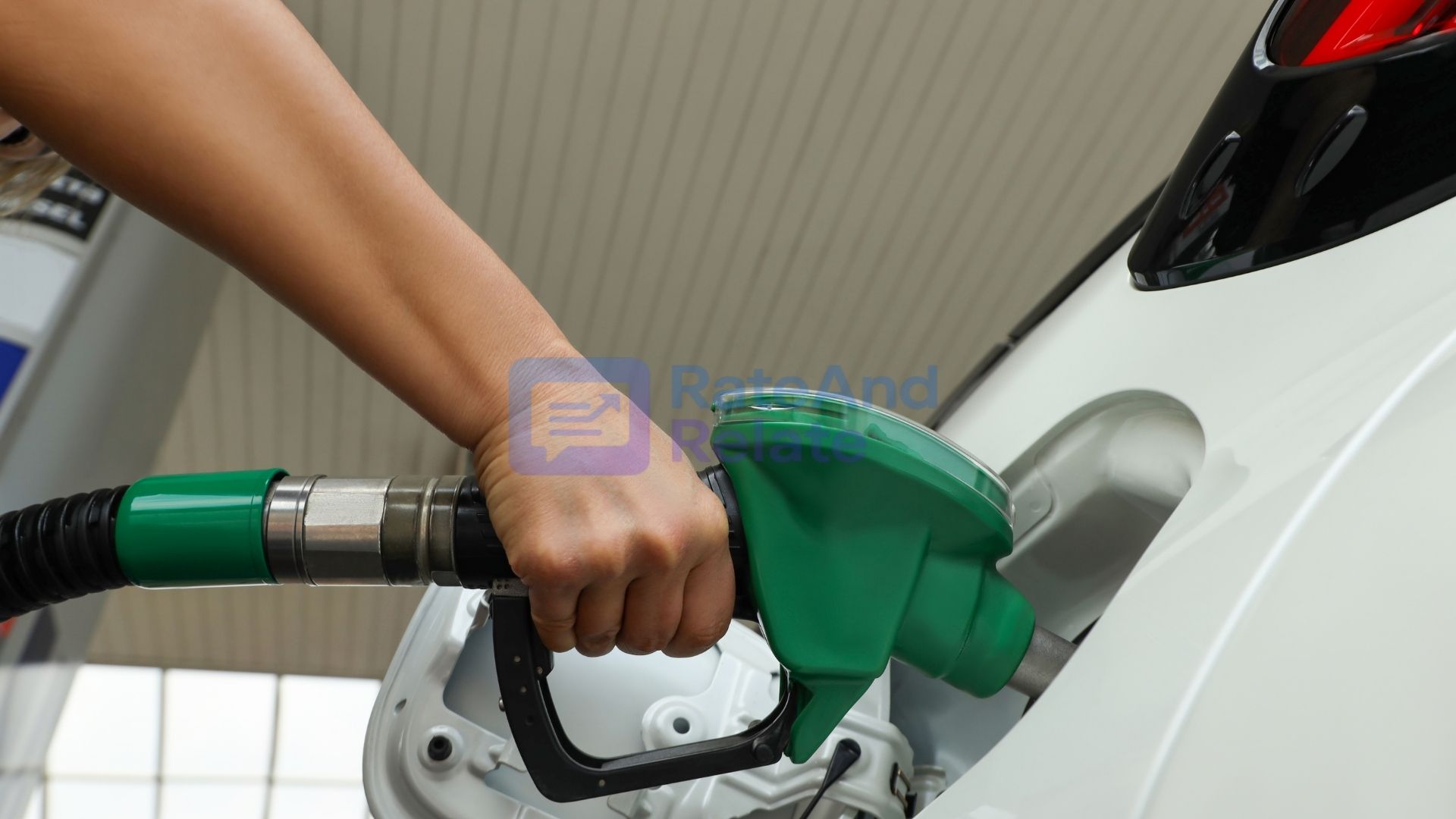

We have all had that moment at the petrol pump. You look at the meter, then at your wallet, and wonder, “Didn’t I just pay less for this last week?”
Fuel volatility isn’t just an economic term; it’s a headache that hits us every time we start our engines. My opinion? We need to stop waiting for prices to “go back to normal.” Volatility is the new normal.
Here is my practical breakdown of why this happens and, more importantly, how I actually manage my budget around it.
The “Invisible Hand” That Empty Your Tank
Most people blame the local government when prices spike. Actually, while taxes play a huge role, the real reason is often thousands of miles away.
- Geopolitics: A conflict in the Middle East sneezes, and our fuel prices catch a cold.
- Currency: My Take: This is the silent killer. Even if oil prices stay flat, if our currency weakens against the dollar, we pay more. It’s a double whammy that most consumers don’t see.
The “Silent Tax” on Your Groceries
Here is what scares me more than the petrol bill: Inflation. When diesel gets expensive, the truck delivering your vegetables charges more. My Experience: I’ve noticed that even when fuel prices drop slightly, the price of milk and veggies rarely goes back down. This “stickiness” means high fuel prices permanently raise our cost of living.
How I Survive the Spikes (Practical Tips)
I can’t control OPEC decisions, but I can control my habits. Here is what actually works for me:
- The “Smooth Drive” Rule: I used to drive aggressively—fast starts, hard brakes. I realized this was burning 20% more fuel. Now, I drive like a grandma, and my mileage has improved significantly.
- The “Tyre Check” Ritual: It sounds boring, but keeping my tyres inflated correctly saves me real money every month. Under-inflated tyres are just dragging your wallet on the asphalt.
- Route Planning: I stopped doing “one-off” errands. I batch them. If I’m going out, I do the groceries, the bank, and the meeting in one loop.
Business Owners: Stop Reacting, Start Buffering
If you run a business with logistics (like I do in IT hardware delivery), you know the pain. My Advice: Stop eating the cost. I implemented a “variable fuel surcharge” in my contracts. When fuel goes up, the fee kicks in. When it drops, the fee vanishes. Clients respect transparency more than unexpected price hikes.
The EV “Escape Hatch”
Is buying an Electric Vehicle the answer? In my opinion, yes, but…
- The Good: You insulate yourself from oil shocks.
- The Bad: The upfront cost is still high. However, if you drive more than 50km a day, the math undeniably works in your favor. I’m currently planning my transition to an EV scooter for local runs to cut my exposure to petrol prices entirely.
Conclusion
Fuel prices will continue to be a rollercoaster. My Verdict: You can’t predict the market, but you can build a boat to weather the storm. Focus on Efficiency (how you use it) rather than Price (what you pay for it). That is the only variable you truly control.