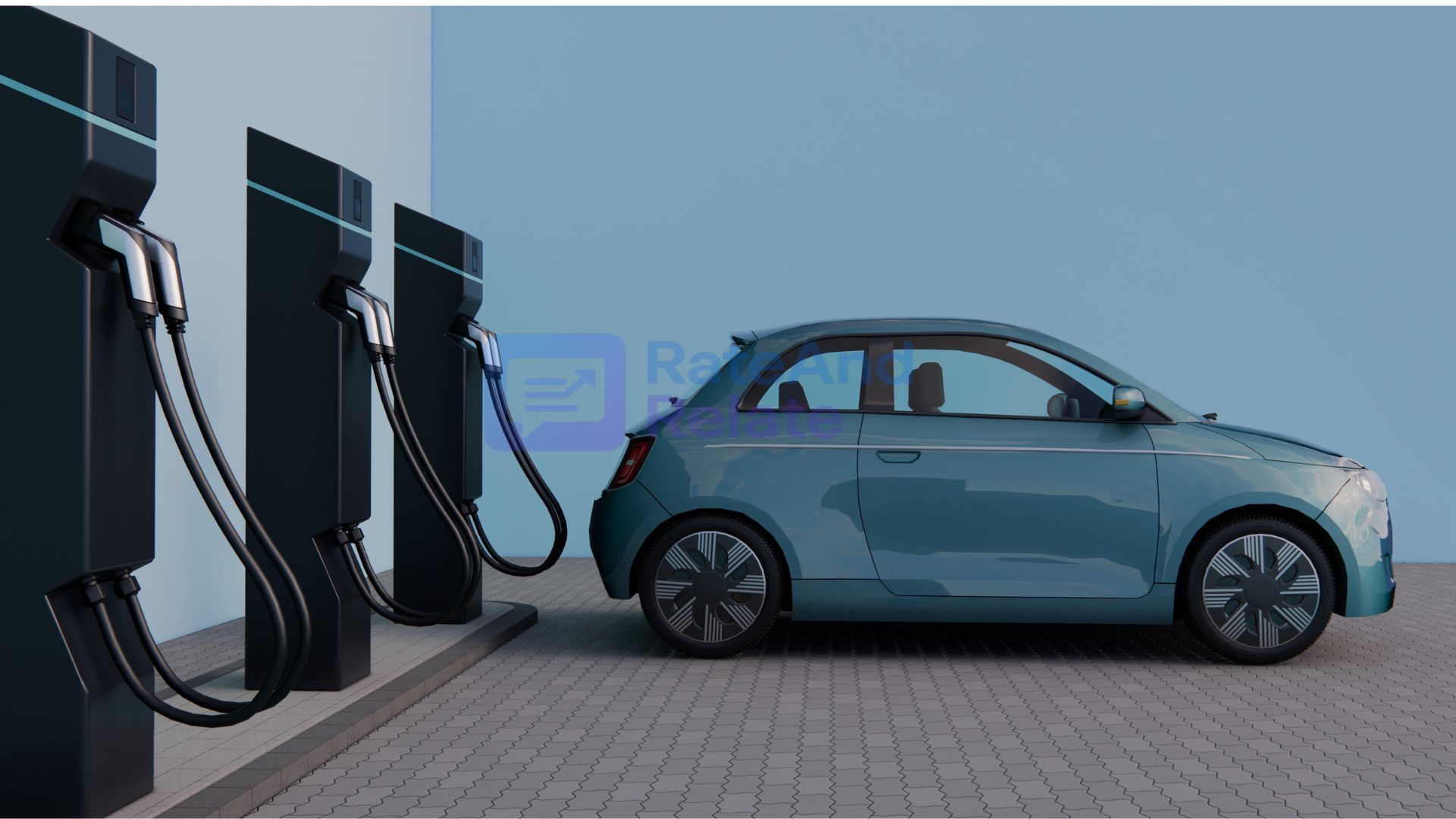

India is witnessing a transformative moment in its energy and transportation landscape. Electric vehicle (EV) adoption is accelerating, while renewable energy initiatives under the National Green Hydrogen Mission and expansive solar programs are reshaping the country’s power generation and consumption patterns. This dual push — toward cleaner mobility and sustainable energy — is not just an environmental imperative; it’s a business and economic opportunity.
Surge in Electric Vehicle Adoption
What’s Happening
- EV sales in India are growing at double-digit rates year-on-year, driven by falling battery costs, improved vehicle availability, and rising consumer awareness.
- Two-wheelers, three-wheelers, and passenger cars are witnessing robust demand, with both domestic manufacturers and international players expanding operations.
- Government policies, such as the Faster Adoption and Manufacturing of Hybrid and Electric Vehicles (FAME II) scheme, offer subsidies, reduced registration fees, and tax incentives, further boosting adoption.
Why Guidance is Needed
- Consumers need clarity on charging infrastructure, battery life, total cost of ownership, and resale value.
- Investors and entrepreneurs need insights on market potential, profitable EV segments, and regulatory frameworks.
- Businesses, including fleet operators and logistics providers, need guidance on electrification strategies, cost savings, and sustainability benefits.
Renewable Energy Expansion
What’s Happening
- India is aggressively expanding renewable energy capacity, targeting 500 GW by 2030. Solar and wind projects are at the forefront.
- The National Green Hydrogen Mission is fostering hydrogen-based clean energy for industry, transport, and power storage.
- Corporate renewable adoption is increasing, with companies seeking to meet ESG commitments and reduce carbon footprints.
Why Guidance is Needed
- Investors need understanding of government incentives, tariffs, and long-term ROI.
- Industries need clarity on integrating renewable energy into operations without disrupting production.
- Policymakers and consumers need guidance on balancing energy reliability with sustainability goals.
Challenges to Overcome
Despite progress, India faces several hurdles:
- Charging Infrastructure: EV adoption depends on a robust, accessible charging network across urban and rural areas.
- Grid Readiness: Renewable energy integration requires grid modernization, storage solutions, and smart management.
- Cost & Affordability: Upfront EV prices remain higher than internal combustion vehicles; subsidies help but may not fully bridge the gap.
- Skill Gap: Maintenance, battery recycling, and hydrogen technology require skilled professionals.
Opportunities for Consumers, Investors, and Businesses
- For Consumers: Incentives, lower running costs, and environmental benefits make EVs increasingly attractive. Smart charging, home solar integration, and battery leasing options reduce barriers.
- For Investors: EV manufacturing, battery production, charging infrastructure, and renewable energy projects present lucrative growth opportunities.
- For Businesses: Fleet electrification, green energy procurement, and ESG alignment can reduce operational costs and enhance brand value.
The Road Ahead
India’s EV and green energy push is more than a trend — it’s a structural shift in mobility and power consumption.
- By 2030, electric vehicles could form a substantial portion of passenger and commercial transport.
- Renewable energy will increasingly supply reliable, low-cost power, reducing dependency on fossil fuels.
- Together, EVs and green energy will lower emissions, support energy security, and create new industries and jobs.
The success of this transition depends on clear guidance, public awareness, and strategic investments across the value chain. Consumers, businesses, and policymakers must collaborate to make India’s green mobility and energy future both viable and sustainable.