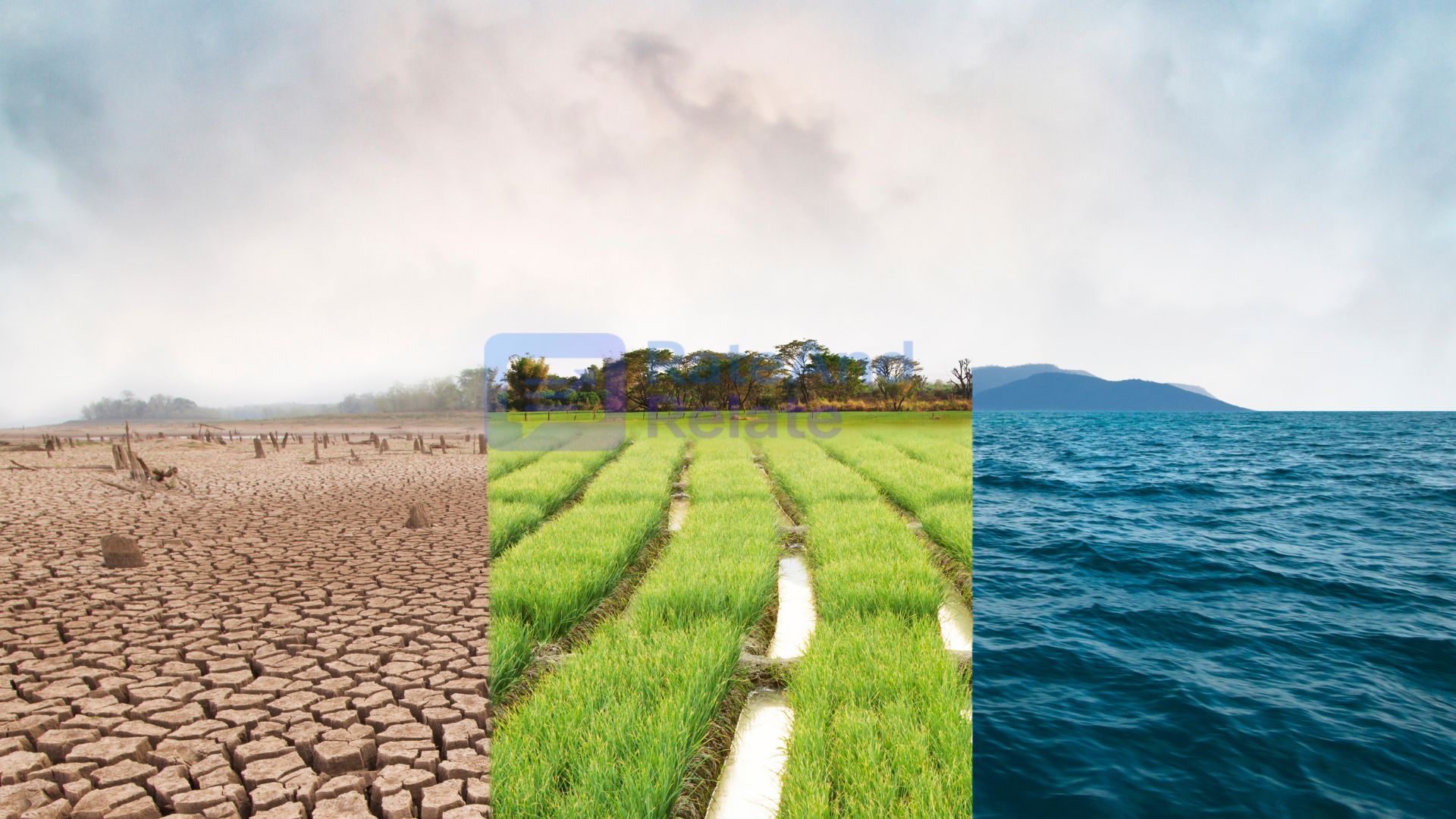

As climate change accelerates, scientists are racing against time to understand and predict its complex effects. From rising sea levels to extreme weather patterns, the Earth’s climate system involves billions of interconnected variables. Traditional climate modeling — though powerful — often struggles with this immense complexity. That’s where Artificial Intelligence (AI) is stepping in, offering new hope and precision in the fight against global warming.
Understanding AI’s Role in Climate Science
Artificial Intelligence uses algorithms and machine learning to analyze massive amounts of environmental data — from satellite images and ocean currents to air quality and temperature fluctuations. By identifying patterns that human analysis might miss, AI helps researchers forecast climate trends more accurately and in real time.
For example, AI-driven models can process decades of weather and emission data in hours, providing insights into how deforestation, pollution, or industrial growth affect temperature and rainfall patterns. This not only improves predictions but also helps governments plan adaptive measures, such as flood defense systems and sustainable city planning.
1. AI in Climate Forecasting
AI has made weather and climate forecasting faster and more reliable. Traditional meteorological models rely on physics-based simulations, which can take enormous computing power and time. AI systems, on the other hand, learn from past weather patterns to generate quicker and sometimes more accurate forecasts.
Projects like Google’s DeepMind “GraphCast” and IBM’s GRAF use deep learning to predict global weather events with astonishing precision. They can anticipate heatwaves, storms, or rainfall patterns days earlier than conventional methods, giving communities critical time to prepare.
2. AI in Disaster Prediction and Management
AI is revolutionizing how we predict and respond to natural disasters. By analyzing satellite imagery, seismic data, and ocean movements, AI models can detect early signs of floods, cyclones, droughts, and wildfires.
For instance, the UN’s AI for Disaster Risk Reduction Initiative uses predictive analytics to warn vulnerable regions of potential hazards. In India, AI-based flood forecasting models help authorities monitor river levels and issue early evacuation alerts, saving thousands of lives. Similarly, wildfire detection systems in California use AI to analyze smoke and heat signatures, alerting emergency responders in real time.
3. AI for Energy Efficiency and Carbon Reduction
Another critical application of AI in climate science is optimizing energy systems. AI algorithms help power grids balance supply and demand, reduce wastage, and integrate renewable energy sources like wind and solar more effectively.
Companies like Google have used AI to reduce energy consumption in their data centers by nearly 40%, while AI-powered smart grids are being developed in Europe and India to predict electricity usage patterns and minimize carbon footprints. In agriculture, AI helps farmers use resources more efficiently — predicting irrigation needs and soil health to cut emissions from overuse of fertilizers.
4. Tracking Deforestation and Ocean Health
Satellites equipped with AI-driven analytics monitor forest loss, illegal mining, and pollution levels. For instance, Microsoft’s AI for Earth program supports projects that track deforestation in the Amazon and assess coral reef health. These insights enable conservationists and policymakers to take timely, data-backed action.
Challenges and the Road Ahead
Despite its promise, AI in climate science faces hurdles — such as data gaps in developing regions, high computational costs, and limited interpretability of deep learning models. Moreover, ethical concerns arise about who controls these systems and how the data is used.
However, the momentum is undeniable. As computing becomes greener and datasets more inclusive, AI’s potential to address climate change will only grow. Collaborative projects between governments, tech companies, and research institutions are already shaping the foundation of a climate-smart future.
A Partnership for the Planet
Artificial Intelligence cannot stop climate change on its own — but it can make humanity’s response smarter, faster, and more effective. By combining the precision of AI with the wisdom of climate science, we’re entering an era where data and technology become nature’s allies.
The message is clear: if we harness AI responsibly, it can be one of our most powerful tools in predicting — and protecting — the planet’s future.