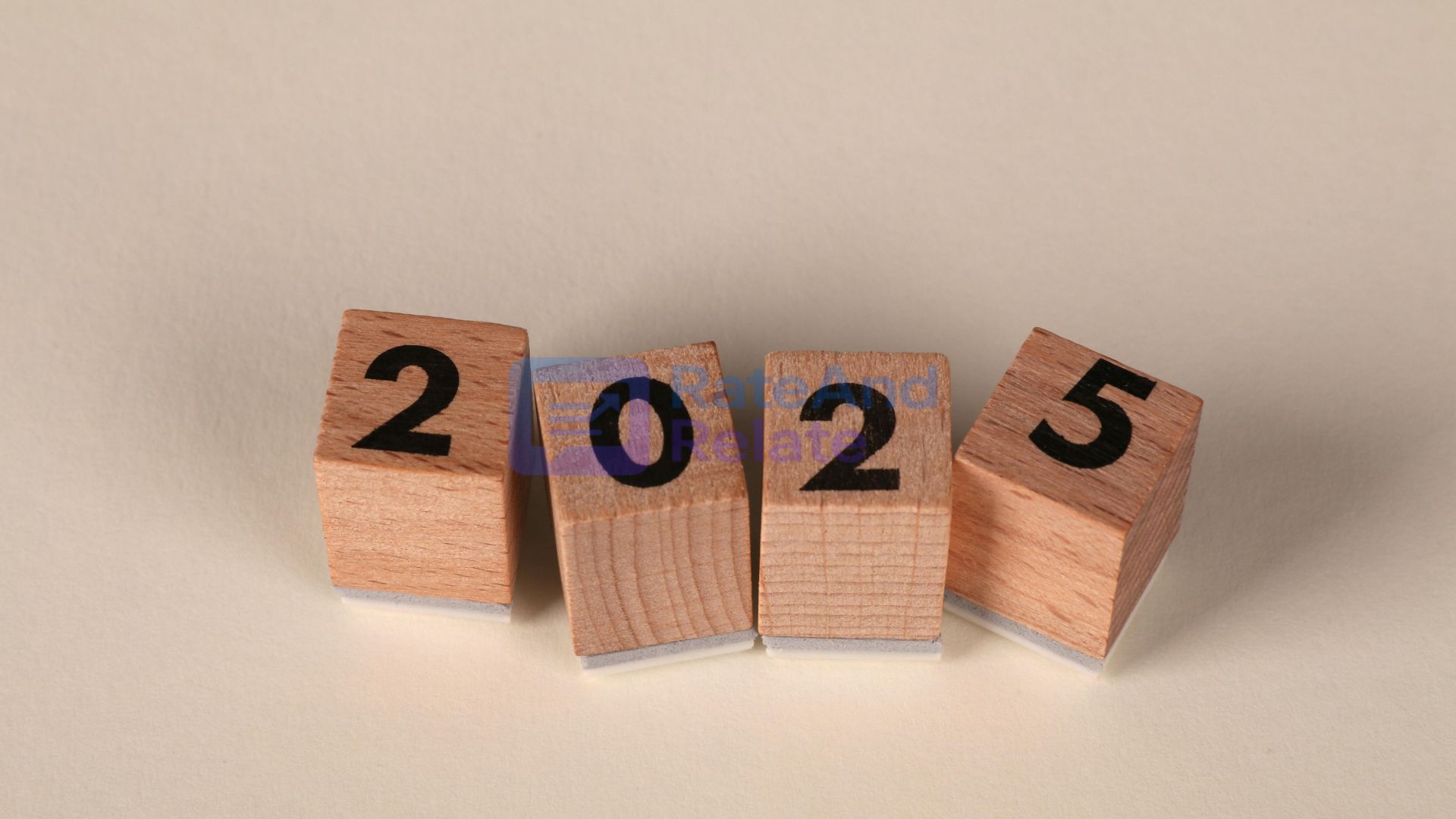

When I look back at 2025, what stands out is not a single dramatic crisis or one defining global event. Instead, what the year really taught us was how to live with uncertainty. Across economies, politics, technology, climate, and culture, unpredictability stopped feeling temporary and started feeling permanent.
Actually, 2025 showed us that uncertainty is no longer something we “fix” or wait out. It has become a condition we learn to navigate.
When Uncertainty Became Structural
In my opinion, one of the biggest shifts in 2025 was that uncertainty stopped coming from isolated shocks. It became structural. Economic growth existed alongside financial caution. Technological breakthroughs arrived at the same time as ethical and regulatory concerns. Geopolitical tensions lingered without clear resolution.
However, this constant state of ambiguity quietly changed how decisions were made. Governments hesitated to lock themselves into rigid long-term commitments. Businesses valued flexibility more than pure efficiency. Even at an individual level, people adjusted expectations, focusing less on predictability and more on keeping options open.
Why Planning Started to Lose Its Power
Traditionally, we relied on forecasts and long-term plans to create a sense of control. By 2025, those tools felt increasingly fragile. Assumptions expired quickly, and overlapping risks made precise predictions unreliable.
What I noticed instead was a shift toward preparedness. Organizations focused on scenario planning rather than single outcomes. Supply chains were built with redundancy rather than speed alone. Financial strategies prioritized buffers over maximum returns. Success depended less on predicting the future and more on responding to it.
Confidence Without Pretending to Know Everything
One of the more interesting lessons of 2025 was how leadership changed. Confidence did not disappear in uncertain conditions; it evolved. Leaders who openly acknowledged what they didn’t know often inspired more trust than those who projected absolute certainty.
Actually, honesty became a form of strength. Clear communication about risks, trade-offs, and unknowns felt more credible than polished assurances. In a world full of variables, admitting limits became part of responsible leadership.
Technology’s Double Role in Uncertainty
Technology played a complicated role in all of this. On one hand, digital tools, automation, and artificial intelligence helped stabilize operations and improve response times. On the other, they accelerated disruption, reshaped jobs, and raised new ethical questions.
In my view, 2025 made one thing clear: technology doesn’t remove uncertainty—it reshapes it. The real challenge is managing speed and ensuring that human systems, rules, and values can keep up with technological change.
How People Adapted on a Human Level
Beyond institutions and markets, uncertainty reshaped personal priorities. I saw more people focusing on mental resilience, community support, and work-life balance. Long-term commitments were approached more cautiously, and the idea of a single, predictable life path began to feel outdated.
However, this wasn’t entirely negative. Adaptability, continuous learning, and reinvention became normal rather than exceptional. Uncertainty stopped being viewed only as a threat and started being accepted as part of modern life.
Redefining Stability in an Unstable World
In the end, 2025 taught us that stability doesn’t come from eliminating uncertainty. It comes from building systems—and mindsets—that can absorb it. Resilient economies, flexible institutions, and adaptive cultures proved far more valuable than rigid structures designed for predictable conditions.
The lesson was both sobering and empowering. While the future remains unclear, the ability to navigate uncertainty rather than resist it has become one of the most important skills of our time.