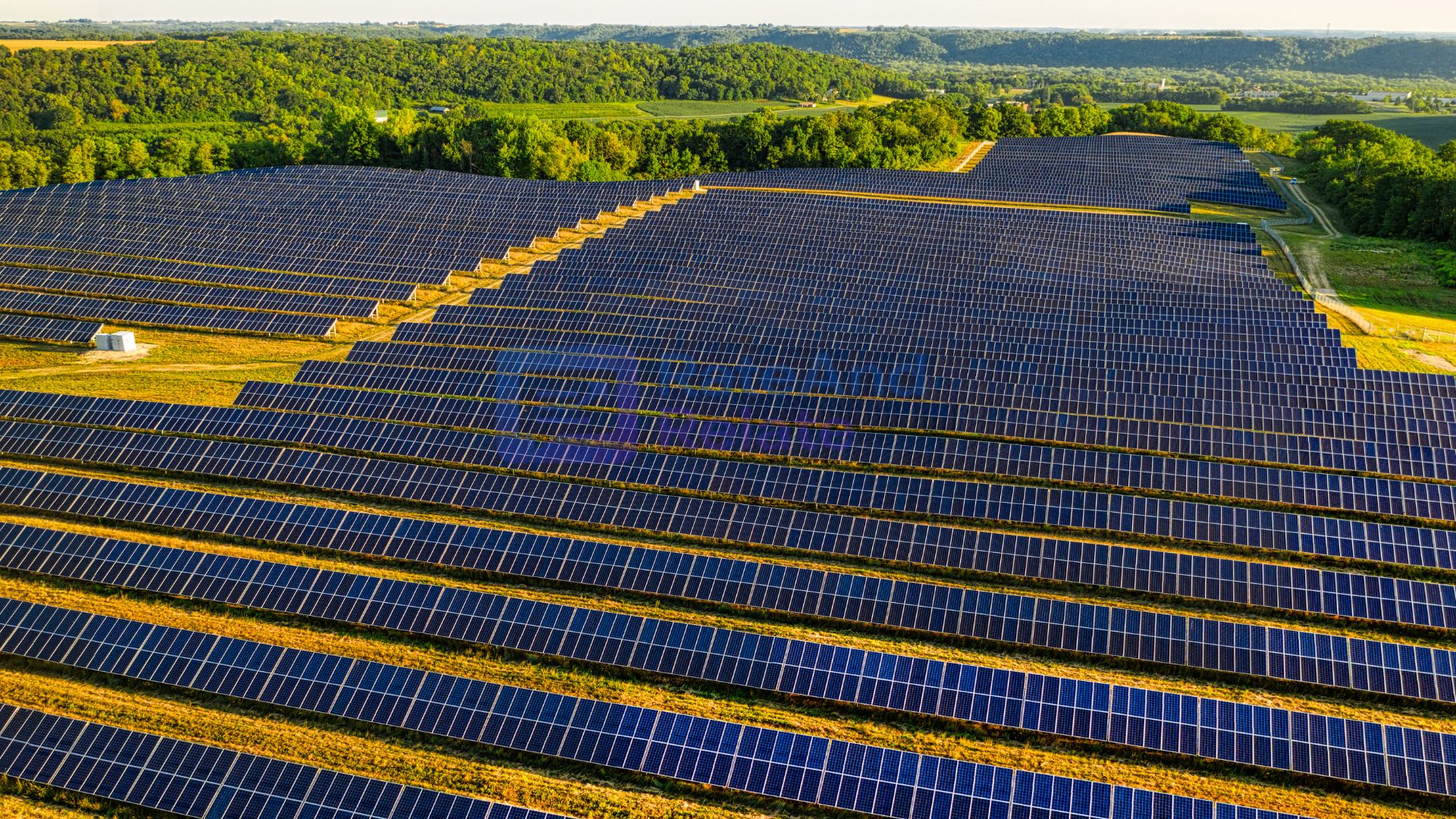

India’s next major economic transformation may not come from megacities or industrial corridors — but from its villages. As solar energy becomes cheaper, scalable, and hyper-local, “Solar Villages” are emerging as a powerful blueprint for rural prosperity, clean growth, and decentralized development.
This isn’t just an energy reform. It’s a new economic model.
The Rise of Energy-Positive Villages
A Solar Village is more than a cluster of rooftop panels. It is a self-sustaining ecosystem where households, farms, small businesses, schools, and community services all run on solar power — often producing more energy than they consume.
These surplus units are fed back into the grid, turning villages into net producers of renewable energy.
This shift brings three breakthroughs:
- Zero electricity bills for families
- Profits from selling surplus power
- Reliable energy for agriculture and MSMEs
Electricity becomes a source of income, not an expense.
Why Solar Villages Are Becoming India’s Economic Backbone
Rural India has always had talent and resources, but lacked reliable energy. Solar solves this decade-old bottleneck — powering irrigation pumps, cold storage, food processing, EV charging, and small-scale manufacturing.
With energy reliability comes:
- Growth of rural startups
- Higher productivity in agriculture
- Reduced dependence on diesel
- Digitally enabled services and e-commerce
Villages evolve from passive consumers to active economic engines.
A Jobs Revolution Is Unfolding
The solar ecosystem creates a wave of new rural jobs:
- Solar installation technicians
- Panel maintenance and cleaning crews
- Local battery and inverter repair shops
- Micro-grid management teams
- EV maintenance and charging operators
For India’s youth, this becomes a skill-driven, future-ready employment zone — without needing to migrate to cities.
Agriculture Is Getting Rewritten
Solar energy is quietly revolutionizing farms. With solar irrigation pumps, farmers cut diesel costs, irrigate more consistently, and improve yields. Combine this with solar-powered cold chains, and post-harvest losses drop dramatically.
This creates the foundation for:
- Solar-powered food processing units
- Village-level storage hubs
- Higher bargaining power for farmers
Solar is turning agriculture from cost-heavy to profit-first.
Digital Villages Need Solar Power
Digital India cannot rely on unstable electricity. Solar Villages provide the backbone for:
- Rural AI and telemedicine kiosks
- Ed-tech classrooms
- Online entrepreneurship
- Drone-based crop monitoring
- E-commerce fulfilment hubs
Energy enables digital empowerment — and digital tools multiply income opportunities.
The Future: 100,000 Solar Villages by 2040
If India scales its solar push strategically, the country could create:
- Massive rural GDP growth
- Dramatic reduction in carbon footprint
- A decentralized economy where opportunity exists everywhere
Solar Villages can become India’s strongest lever for inclusive development — powering homes, livelihoods, innovation, and climate resilience all at once.