
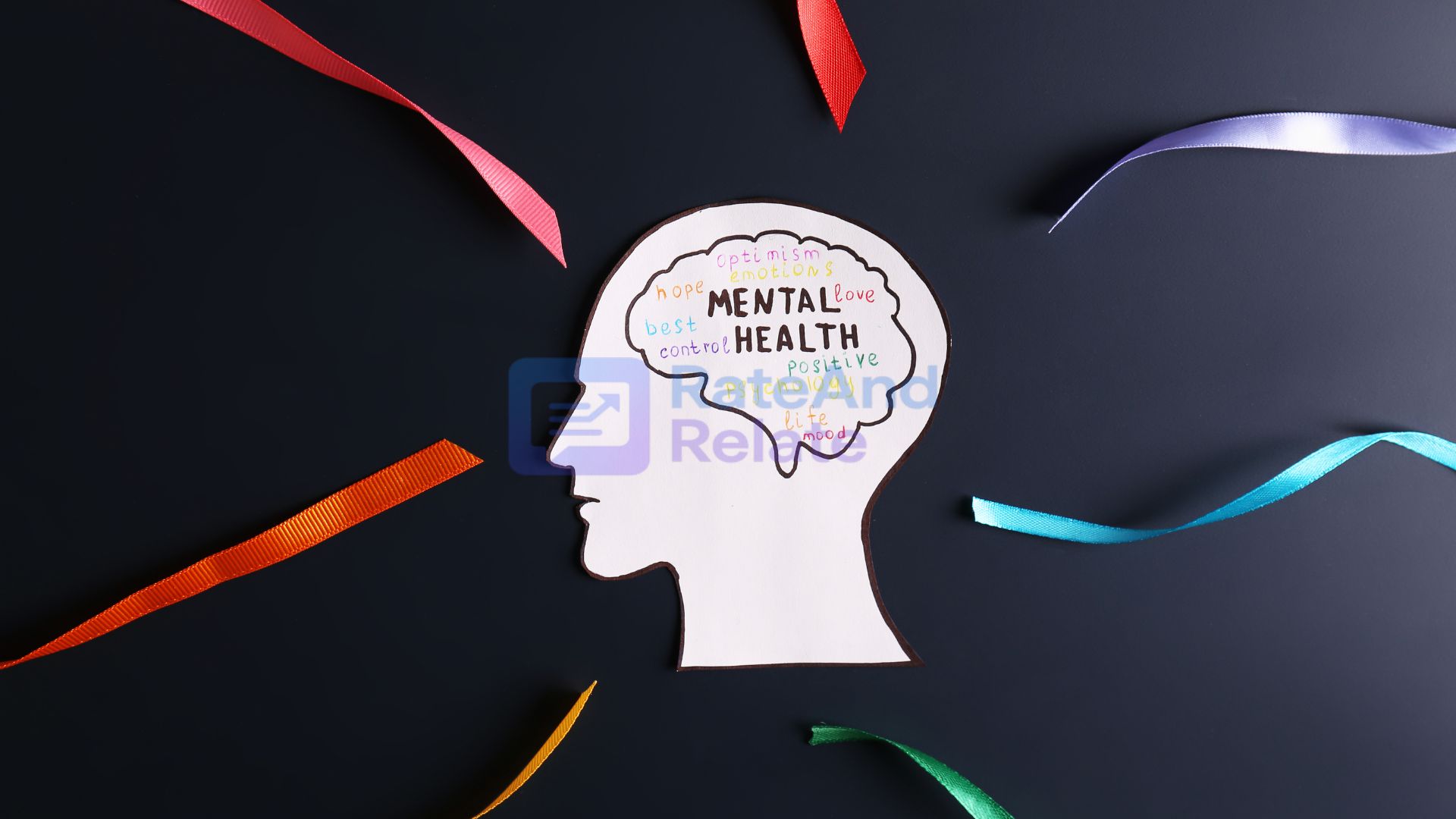

Mental health care is entering a new era, but in my opinion, it’s not just about “care”—it’s about empowerment. We are seeing a wave of personalized digital tools that place support directly in our hands.
Actually, I believe AI-powered apps and digital trackers are doing more than just logging data; they are reshaping how we understand our emotions. Rather than offering one-size-fits-all advice—which rarely works—these tools adapt to our unique patterns.
The Power of Mood Tracking
At the core of this shift is mood tracking. I have found that modern apps allow users to log emotions and energy levels in seconds. However, the real magic happens over time.
AI analyzes this data to identify patterns that I would have otherwise missed—such as how my stress peaks on specific days or how sleep quality directly impacts my mood. This self-awareness is game-changing; it helps us make informed changes before small issues become overwhelming.
Tailored Guidance, Not Generic Advice
Another feature I rate highly is guided exercises tailored to the individual. Actually, generic mindfulness advice can sometimes feel frustrating. But when AI recommends a specific breathing session or focus booster based on real-time data, it feels personal.
If my stress levels rise, the app suggests a calming activity; if my motivation drops, it offers a productivity reset. In my experience, this personalization makes mental health practices much easier to stick with.
Proactive Stress Management
Stress management has also become more proactive. I am impressed by how wearables can now detect physical signals like heart rate variability.
Instead of reacting only after burnout hits, I receive early nudges to pause or breathe. It turns prevention into a daily habit, rather than a crisis response.
Encouragement Without Judgment
One of the most powerful aspects of these tools is the personalized feedback. In my opinion, the best part is that AI doesn’t judge. It supports.
Gentle reminders and positive reinforcement help users stay consistent without feeling overwhelmed. For many, I believe this creates a sense of companionship and accountability that traditional self-help methods often lack.
A Crucial Distinction
However, I must emphasize one thing: personalized digital tools are not meant to replace professional care. Instead, I view them as a bridge. They offer accessible, everyday support while encouraging users to seek expert help when needed. By lowering barriers, these tools make mental well-being a regular part of life.
Looking Ahead
As we move further into 2026, my verdict is clear: personalized digital mental health tools represent a massive shift toward compassionate care. With AI as a guide and humans in control, mental well-being is becoming more approachable and sustainable than ever before.

